
Plants
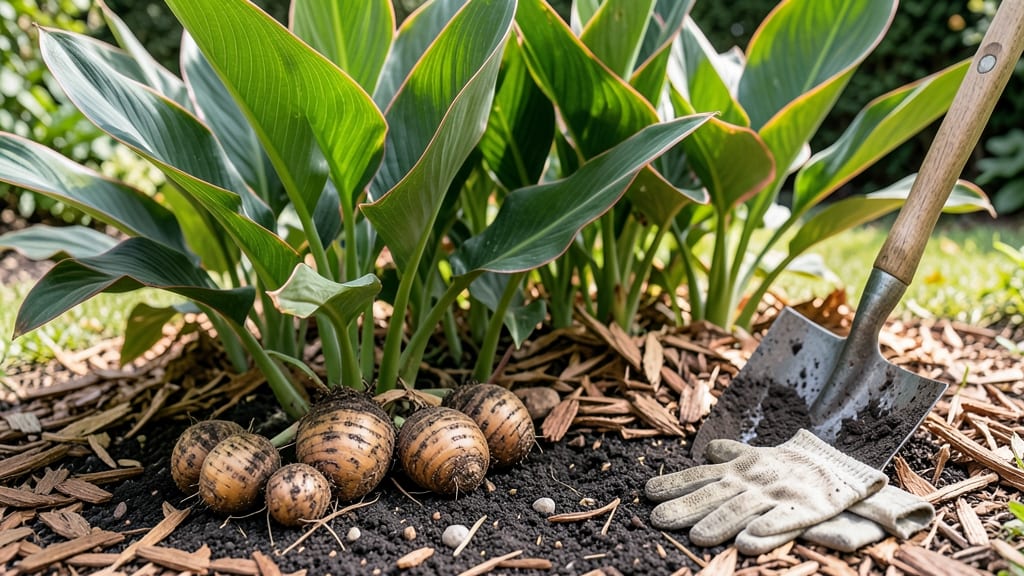
Planting your Canna Lily 🌸 bulbs at the wrong time in Kansas could mean the difference between a showstopping summer display and a sad, frost-nipped failure.
The key isn’t just waiting for spring—it’s timing it perfectly with soil warmth and your specific heat zone, whether you're in Zone 5b or Zone 7a.
Most Kansas gardeners make one of two mistakes: planting too early when late frosts still lurk, or waiting too long and missing the 90-day growing window before summer’s peak.
I’ve seen cannas thrive in Zone 6 when planted in early May, but in cooler Zone 5b, you’ll need to wait until after Memorial Day—when soil hits 60°F and stays there.
Here’s what you’ll discover: the exact 3-week window for planting in your area, how to test soil temperature without fancy tools, and why mulching with straw (not leaves!) is a game-changer for Kansas’ unpredictable springs. Let’s get those 🌸 bulbs in the ground the right way—no guesswork.
From clay-heavy Topeka to drier Wichita, I’ll break down the local tweaks that make cannas flourish where generic advice fails. Ready to turn your garden into a tropical oasis without the risk? Let’s dig in.
Best planting months for canna bulbs in Kansas by heat Zone
Kansas’ diverse heat zones (5b–7a) mean your canna bulb planting window varies by 1–2 months. In Zone 5b, wait until late May when soil hits 60°F+, while Zone 7a gardeners can plant as early as mid-April.
Timing this right ensures vibrant blooms by July and avoids frost damage.
Use your last frost date (typically April 15 in most of Kansas) as your starting point. Add 2–4 weeks to account for soil warming, especially in northern Kansas. For example, Wichita (Zone 7a) can plant in early April, while Topeka (Zone 6a) should wait until mid-May.
Pro Tip: Test soil temperature with a soil thermometer—cannas need consistent warmth. If your soil is below 60°F, bulbs won’t sprout, and you’ll waste precious growing time.
If you’re in Zone 7a, you can push the envelope and plant early April in protected microclimates, like near south-facing walls or greenhouses. These areas warm up 2–3 weeks faster than open garden beds.
Just monitor nighttime temps—if they dip below 50°F, cover bulbs with frost cloth.
For Zone 5b–6a gardeners, late May is your sweet spot. By this time, soil microbes are active, and rainfall increases, reducing the need for manual watering during establishment.
Aim to plant 2–3 weeks before your area’s average last frost to give roots time to anchor before summer heat arrives.
Missed the ideal window? Don’t panic! Cannas are forgiving—you can plant through early June, though blooms may arrive 2–3 weeks later. The trade-off?
You’ll still get summer-long color, just with slightly shorter stems. For maximum height (up to 7 feet), stick to the early May target.
Use a heat zone map (available from Kansas State University Extension) to pinpoint your exact planting zone. Overlay it with your garden’s sun exposure—cannas thrive in full sun (6+ hours), but afternoon shade in Zone 7a can prevent heat stress during July’s 90°F+ days.
After planting, mulch heavily (3–4 inches) with straw or shredded leaves to retain moisture and regulate soil temp. This is critical in Kansas, where clay-heavy soil drains poorly and <
Soil temperature & pre-planting prep for canna bulbs
Canna bulbs thrive in warm soil, and Kansas’ heavy clay and unpredictable spring temperatures demand extra prep. Before planting, ensure your soil reaches at least 60°F—cold soil stunts root growth and delays blooms. I’ve learned the hard way that rushing can mean wilted cannas by summer!
Test your soil temperature with a soil thermometer (insert 4 inches deep) for 3–5 days to confirm consistency. Most Kansas regions hit this mark by mid-May, but eastern zones may warm earlier. Pro tip: Use black plastic mulch 1–2 weeks before planting to accelerate warming.
⚠️ WARNING: Kansas Clay Pitfalls ⚠️
Heavy clay soil in Kansas drains poorly, causing root rot in cannas. Amend beds with:
- 50% compost (improves drainage)
- 25% perlite (aids aeration)
- 25% coarse sand (prevents compaction)
Choose a sunny, sheltered spot—cannas need 6+ hours of sun daily but appreciate afternoon shade in western Kansas’ intense July heat. Loosen soil to 12 inches deep and mix in a balanced fertilizer (10-10-10) to jumpstart growth. I swear by working in aged manure for extra nutrients!
Plant bulbs 2–4 inches deep, spacing them 12–18 inches apart to accommodate their wide, tropical roots. In containers, use a fast-draining mix (60% potting soil, 30% perlite, 10% worm castings). Water deeply after planting to settle the soil and encourage root contact.
Monitor soil moisture—cannas hate soggy roots but wilt fast in dry conditions. Use a moisture meter to aim for consistently damp (not waterlogged) soil. Mulch with straw or shredded leaves to retain moisture and suppress weeds. This step saved my cannas during last summer’s 90°F+ heat waves!
For extra insurance, cover new plants with frost blankets if late frosts threaten (common in northern Kansas). Cannas are tropical—give them the warmth and care they crave, and you’ll enjoy bold blooms from July to frost. Happy planting! 🌸