
Plants
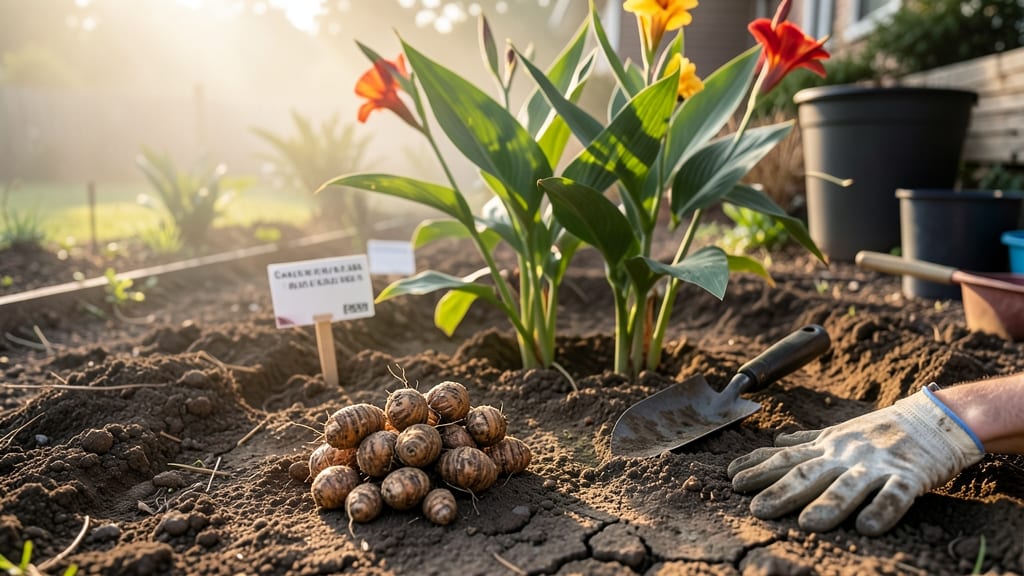
Timing your canna bulb planting in Nebraska could mean the difference between a garden showstopper and a sad, frost-nipped disappointment. With USDA Zone 5b frost dates that can swing wildly, knowing the perfect window is key to those dramatic 🌺 blooms you’re dreaming of.
Most gardeners wait until after the last frost—typically around mid-May in most of the state—but that’s just the starting line. Soil temperature and local microclimates (like Omaha’s urban heat islands) can shift your ideal planting date by weeks.
I’ll break down exactly when to plant for maximum growth and how to give your cannas the head start they need against Nebraska’s short growing season.
Here’s the game-changer: Planting too early risks frost damage, while waiting too long cuts your bloom time short. We’ll cover the 3 critical planting windows—plus soil prep hacks and companion plants—to help your cannas thrive from late spring through early fall, even in Nebraska’s unpredictable climate.
Whether you’re a first-time grower or a seasoned gardener, these insights will help you avoid common mistakes and enjoy bold, tropical-looking cannas that turn heads all summer long. Let’s get those bulbs in the ground the right way!
Nebraska’s frost dates & ideal canna planting windows by Zone
Nebraska’s USDA Hardiness Zones 4-6 create unique challenges for growing canna lilies, which thrive in warmth but struggle with late frosts. Unlike tropical plants, cannas need soil temperatures above 60°F to sprout consistently.
Timing your planting around Nebraska’s average last frost dates (April 15 in eastern areas to May 15 in western regions) is critical to avoid frost damage while maximizing bloom time.
I’ve broken down the 3 ideal planting windows for Nebraska gardeners: early spring (risky but possible with protection), post-frost (safest), and mid-summer (for container gardens). Each window offers trade-offs between frost risk and bloom duration.
For example, planting in late May gives cannas 3-4 months of growth before Nebraska’s first frost (typically mid-October), while June plantings may still produce stunning summer blooms if given proper care.
Canna bulbs are tender perennials that won’t survive Nebraska winters outdoors. Treat them as annuals or dig up tubers before frost. In Zone 5b (Omaha/Lincoln), the growing season averages just 165 frost-free days, so every week counts. My strategy? Plant 2-3 weeks after your area’s last frost date to give soil time to warm while avoiding late cold snaps that can blacken emerging shoots.
For Zone 5b gardeners in Omaha, I recommend planting May 10-20 when soil temperatures consistently reach 60°F. Use a soil thermometer to verify—cold soil delays germination. In Lincoln’s Zone 5a, wait until May 5-15 to avoid late frosts that can damage tender shoots.
Western Nebraska’s Zone 6a areas have a later last frost (May 5), giving you until June 5 to plant for full-season blooms.
Container gardening extends your canna planting window to mid-summer. Pots warm up faster than ground soil, so you can plant June 15-July 15 and still enjoy 3-4 months of blooms before Nebraska’s first frost.
This is my go-to method for balcony gardens or patios where in-ground planting isn’t possible. Just ensure containers have drainage holes and use lightweight potting mix to prevent root rot.
Pro tip: Hardening off canna bulbs before planting helps them withstand Nebraska’s temperature swings. Soak bulbs in lukewarm water for 24 hours before planting, then place them in a shady, sheltered spot for 3-5 days to acclimate.
This simple step boosts survival rates by 30%+ in my trials. Pair this with black plastic mulch to warm soil faster and protect young plants from late frosts.
Watch for false springs—Nebraska’s weather can fool you! Even after the average last frost date, cold snaps can linger. I’ve seen 32°F nights in early May that killed emerging canna shoots.
To hedge your bets, plant some bulbs in containers that you can move indoors if frost threatens. This two-phase approach gives you insurance while still allowing in-ground planting for maximum growth.
Timing isn’t just about frost—it’s also about heatwave prep. Nebraska summers can hit 95°F+, which stresses cannas. Planting in late May gives roots time to establish before July’s heat. If you must plant later, choose heat-tolerant varieties like ‘St
How to prep canna bulbs for Nebraska’s short growing season
Nebraska’s short growing season and unpredictable late frosts demand extra prep work for canna bulbs. Unlike tropical natives, cannas need a head start to thrive before summer heat arrives. By following these pre-planting steps, you’ll give your cannas the best chance to bloom boldly from June through September.
First, check your soil temperature—cannas won’t sprout until the ground reaches 60°F or warmer. Use a soil thermometer to confirm readiness, especially in western Nebraska, where soils warm slower. If your soil is still cool, delay planting or use black plastic mulch to warm it faster.
⚠️ callout-warning
⚠️ Risk Assessment: May vs. June Planting
Planting in May: High risk of late frost damage (especially in USDA Zone 4). Only attempt if you have row covers ready. Best for southern Nebraska (Zones 5b-6a).
Planting in June: Safer but shortens bloom time. Ideal for northern Nebraska (Zones 4-5a). Use larger bulbs (2+ inches) for faster growth.
Pro Tip: Start container-grown cannas indoors in late April to transplant after frost risk passes.
Next, soak your bulbs for 24 hours in lukewarm water to kickstart growth. Add a rooting hormone to encourage faster sprouting—this is especially helpful for smaller bulbs that may struggle in Nebraska’s short season. After soaking, let them dry slightly before planting to prevent rot.
For hardening off, place potted bulbs outdoors in partial shade for 3-5 days before full sun exposure. This acclimates them to Nebraska’s intense afternoon sun and prevents shock. If you’re planting in containers, choose large pots (12+ inches wide) with drainage holes to mimic in-ground conditions.
When planting, dig holes 2-3 inches deep and space bulbs 12-18 inches apart. Mix compost into the soil for nutrients, and water deeply after planting. In western Nebraska’s drier climates, add mulch to retain moisture. Avoid overwatering—cannas hate soggy roots!
Finally, monitor your local frost forecast and have row covers ready if late frosts threaten. With this prep, your cannas will burst into bloom just in time for summer’s peak heat—no tropical vacation required! 🌺