
Planting
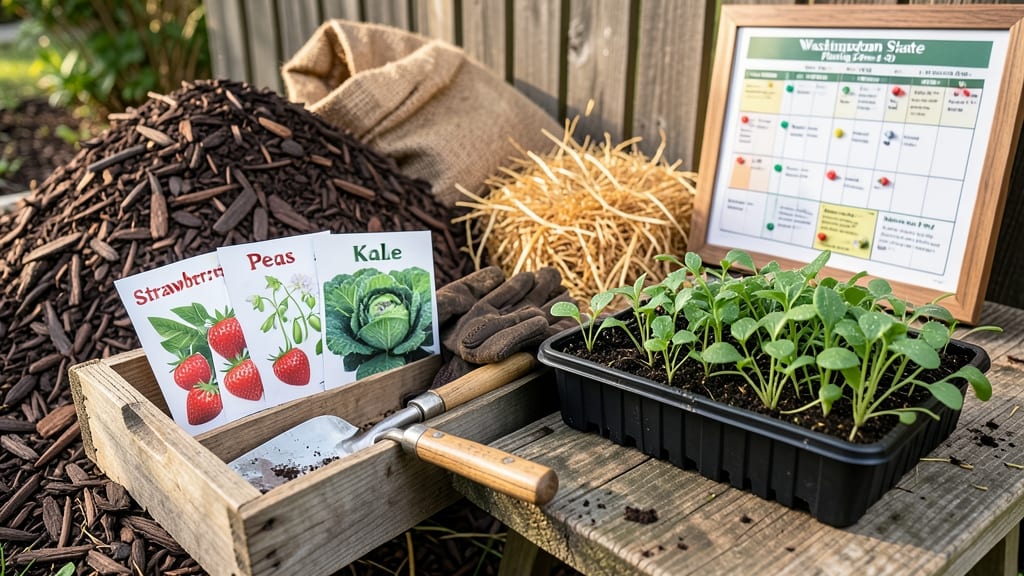
Timing when to plant a garden in Washington State just right can mean the difference between a thriving 🌱 General Garden and one that never takes off.
With USDA zones 5b-9a and wildly different microclimates—from the Puget Sound’s coastal mildness to the Eastern WA cold snaps—planting at the wrong time risks frost-killed dreams before they even begin.
Most gardeners assume "spring planting" means March, but that’s a recipe for disaster in Zone 5b areas like Spokane, where the last frost can linger until early May. Meanwhile, coastal Seattle gardeners might be waiting too long if they follow the same rulebook.
The key? Knowing your exact last frost date—and how to adjust for early starts, late varieties, and even urban heat islands.
I’ve spent years perfecting the science of Washington’s planting windows, and what I’m about to share will help you avoid the most common mistakes.
Whether you’re growing heat-loving tomatoes or cold-hardy kale, this guide breaks down the exact months to plant for zero-frost success—plus how to extend your season with simple tricks like row covers and cold frames.
Ready to ditch the guesswork? Let’s dive into the month-by-month schedule that actually works for your corner of Washington, so you can enjoy a harvest from May through October—no matter where you’re gardening.
Washington State planting zones: last frost dates by region and how they affect your garden
Washington State spans USDA zones 5b through 9a, creating dramatic differences in planting windows. Coastal areas like Seattle and Bellingham enjoy milder winters (zone 8), while inland cities like Spokane and Yakima face zone 6-7 cold snaps.
These last frost dates determine when to plant heat-loving crops like tomatoes or when to start cool-season greens.
Your microclimate matters more than your ZIP code. A Puget Sound garden might see last frosts by March 15, while Yakima’s high desert can wait until May 15. Mountain areas like Leavenworth often experience late frosts into June, delaying planting by weeks compared to coastal regions.
Understanding these frost-free periods helps you select early vs. late varieties. For example, cold-hardy kale can handle Spokane’s late frosts, while peppers and eggplants need Seattle’s longer summer to mature. Let’s break down the key regions and how to adjust your planting schedule accordingly.
If you’re in Western Washington, you can start cool-season crops like spinach as early as February under row covers. Meanwhile, Spokane gardeners should wait until mid-May to plant tomatoes to avoid frost damage. The key is matching your plant’s heat requirements with your region’s frost-free window.
For early varieties, choose fast-maturing crops like bush beans or radishes (ready in 30-45 days). These thrive even in Spokane’s shorter season. Late varieties, such as heirloom tomatoes or peppers, need Seattle’s extended summer to ripen fully.
Always check seed packets for days to maturity and count backward from your first frost date.
Microclimates within cities also play a role. A south-facing slope warms up faster than a north-facing yard, allowing you to plant 2-3 weeks earlier. Urban heat islands in Seattle’s downtown can delay first frosts by 10-14 days compared to suburbs.
Use these local advantages to push your growing season limits.
Adjusting for high-altitude areas like Mount Rainier’s foothills means treating them like zone 4-5, even if they’re close to Seattle. These zones may only support cold-hardy plants like potatoes or kale for spring harvests.
For urban gardeners, containers can be moved to sunniest spots or indoors during late frosts.
Pro tip: Use frost cloth or row covers to extend your planting window by 2-4 weeks. This is especially useful in Eastern Washington, where late frosts are common. Start seedlings indoors 6-8 weeks before your last frost date for heat-loving plants like peppers and cucumbers.
Best month-by-month planting schedule for Washington’s top vegetables and flowers
Washington’s diverse microclimates mean your tomato plants in Seattle thrive while Spokane’s potatoes need earlier starts. Mastering the month-by-month schedule ensures you avoid frost damage and maximize harvests. Whether you’re growing heat-loving peppers or cold-hardy kale, timing is everything in WA’s USDA zones 7-9.
Start by noting your last frost date: Western WA averages March 15, while Eastern WA waits until May 1. Coastal areas like Olympia enjoy longer growing seasons, while inland valleys like Yakima face shorter windows.
Use this schedule as your planting roadmap, adjusting for your specific zone.
- 1 March–April: Start cool-season crops like peas, spinach, lettuce and potatoes. Plant strawberries and lavender in protected areas.
- 2 May: After last frost, plant tomatoes, peppers, cucumbers, and beans. Transplant herbs like basil and cilantro.
- 3 June–July: Sow fall crops like kale, carrots, and beets. Succession plant lettuce every 2 weeks for continuous harvests.
- 4 August: Plant hardy greens (spinach, arugula) and garlic for fall harvests. Direct-sow radishes for quick yields.
- 5 September: Last chance for cool-season crops like broccoli and cabbage. Plant perennials (lavender, rhubarb) before winter.
For heat-loving crops like peppers and eggplants, wait until mid-May in most zones—earlier plantings risk stunted growth from cool soils. In Eastern WA, extend your season by using row covers to protect tender seedlings.
Don’t overlook fall planting! Kale, carrots, and radishes thrive in WA’s cool autumn weather, often producing sweeter flavors after a light frost. Lavender and rosemary planted in early fall establish strong roots before winter.
Pro tip: Use seed starting indoors for tomatoes and peppers 6–8 weeks before your last frost date. This gives them a head start in WA’s shorter growing seasons, especially in Zone 7 areas like Wenatchee.
Adjust for your microclimate—coastal gardens stay 5–10°F warmer than inland spots. If you’re unsure, err on the side of planting later for heat-lovers or earlier for cold-hardy greens. Your garden’s success hinges on these timing tweaks! 🌿