
Plants
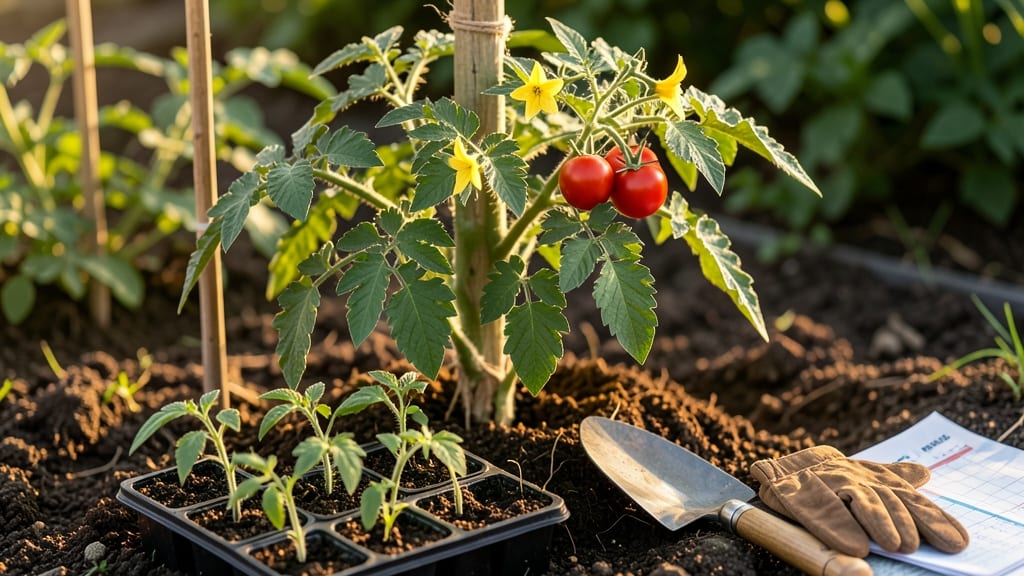
Timing when do you plant tomatoes in Kansas can make or break your harvest—especially when frost dates shift unpredictably between USDA zones 5b-7a. One week too early, and a late freeze will turn your seedlings into sad, blackened sticks.
Too late, and you’ll miss the 165-day growing window before the first frost in October.
Most gardeners in Kansas wait until mid-April to mid-May to plant tomatoes after the last frost, but the real secret is knowing your local microclimate. Whether you’re in Wichita’s heat zone 7 or Topeka’s cooler 5b, soil temperature matters more than calendar dates—your tomatoes need 60°F soil to thrive.
I’ll show you exactly how to time it right, whether you’re starting seeds indoors or transplanting outdoors.
Here’s the game-changer: using black plastic mulch can push your planting window 2-3 weeks earlier, giving you a head start on the season. But even with the best prep, Kansas summers bring their own challenges—like heat stress and late blight risks.
Don’t worry, I’ve got region-specific tips to keep your plants happy from June through October.
Ready to grow juicier, healthier tomatoes than ever before? Let’s dive into the exact planting schedule, frost-proofing tricks, and Kansas-specific hacks that’ll turn your garden into a tomato powerhouse. Your first bite of homegrown 🍅 this summer is closer than you think!
Kansas frost dates & heat zones: the perfect window for planting tomatoes
Kansas gardeners know timing is everything when planting tomatoes. The state's USDA hardiness zones 5b-7a and varied frost dates create a tricky balance—plant too early, and a late frost will kill your seedlings.
Too late, and your harvest suffers from Kansas' brutal summer heat. Let’s break down the perfect planting window for your region.
First, understand that Kansas spans three main heat zones: northern areas (like Topeka) in zone 5b, central areas (like Kansas City) in zone 6a, and southern areas (like Wichita) in zone 7a. These zones dictate when you can safely transplant tomato seedlings outdoors.
The general rule? Wait until after the average last frost date—but with Kansas’ unpredictable weather, you’ll need backup plans.
Use these last frost dates as a starting point, but don’t rely on them alone. Check your local Kansas State University Extension office for microclimate updates—they track real-time frost data. For example, Wichita’s southern zone often sees frost-free soil weeks earlier than Topeka’s northern zone.
This means you can plant early varieties like 'Celebrity' or 'Better Boy' as soon as soil hits 60°F, while northern gardeners should wait until late May.
Pro tip: Heat zone maps aren’t just about frost—they also help predict summer heat stress. Kansas’ zone 7a areas (like Hutchinson) can hit 100°F+ by July, which stunts tomato growth.
If you’re in these zones, opt for heat-tolerant varieties like 'Heatmaster' or 'Solar Fire' and use shade cloth during peak heat. For cooler zones (like zone 5b), focus on early-maturing varieties to avoid fall frosts cutting your season short.
Don’t forget to monitor soil temperature with a thermometer—it’s more critical than air temperature. Tomatoes need consistently warm soil (60°F+) to thrive. In Kansas City’s zone 6a, this often means waiting until mid-May, even if frost risk drops earlier.
Cold soil delays root growth, leaving plants vulnerable to disease and pests. If your soil is slow to warm, try black plastic mulch to raise temperatures by 10-15°F.
For gardeners in transition zones (like Salina or Manhattan), consider row covers or cold frames to extend your planting window. These tools can push your first transplant date back by 2-3 weeks, giving you an edge in Kansas’ short growing season.
Just remove covers once flowers appear to prevent heat buildup, which can reduce pollination.
Finally, remember that tomatoes are heat-loving annuals, so they need 6-8 hours of sunlight daily. In Kansas, this means planting in south-facing beds or using reflective mulch to maximize light exposure.
If you’re in shadier microclimates (like near tall buildings or trees), choose determinate varieties like 'Roma' or 'Patio', which thrive with slightly less sun than indeterminate types.
By aligning your planting with Kansas’ frost dates, heat zones, and soil conditions, you’ll set your tomatoes up for success—whether you’re growing heirlooms in Wichita or cherry tomatoes in Topeka. Start with these guidelines, then adjust based on your microclimate and past experiences. Happy gardening! 🌱
Step-by-step guide: when to start seeds indoors vs. transplanting outdoors in Kansas
Kansas gardeners know timing is everything when it comes to growing tomatoes. Starting seeds indoors too early or too late can leave your plants struggling by transplant time.
The key is balancing seed-starting dates with your region’s last frost date—which varies across Kansas from early April in southern zones to late April in northern areas.
For most of Kansas (USDA zones 5b-7a), aim to start tomato seeds indoors 6-8 weeks before your last frost date. This gives seedlings enough time to develop strong roots before facing outdoor conditions.
In Wichita (Zone 7a), that means starting seeds by March 1, while in Topeka (Zone 6a), you’ll want to begin by February 20.
Check the Kansas State University Extension frost maps or use your local USDA zone (5b-7a). Southern Kansas averages April 15, while northern areas may see frost until May 1.
For early varieties (e.g., Celebrity or Better Boy), begin by February 20-March 1. For late varieties (e.g., Brandywine), wait until March 15-April 1.
Move seedlings outdoors for 2-3 hours daily, increasing time gradually. This toughens stems and prevents shock when planted.
Use a soil thermometer to confirm. In Kansas, this typically aligns with April 30-May 15, but southern zones can plant as early as April 15.
Early varieties (e.g., Mountain Merit) can handle cooler soil. Heirlooms (e.g., Cherokee Purple) need warmer soil and should wait until May 1.
Transplanting too early—before soil warms to 60°F—can stunt root growth, while waiting too long risks heat stress in Kansas’ summer months. Always monitor weather forecasts and be ready to cover young plants if frost threatens after transplanting.
Pro tip: Use black plastic mulch to warm soil faster and extend your planting window by 1-2 weeks. This is especially helpful in Kansas’ Zone 6a areas where frost lingers longer.
For gardeners in Kansas City or Wichita, aim to have seedlings ready by April 15 to maximize your growing season. With the right timing, you’ll enjoy tomatoes from June through October—just in time for summer salads and salsa!