
Plants
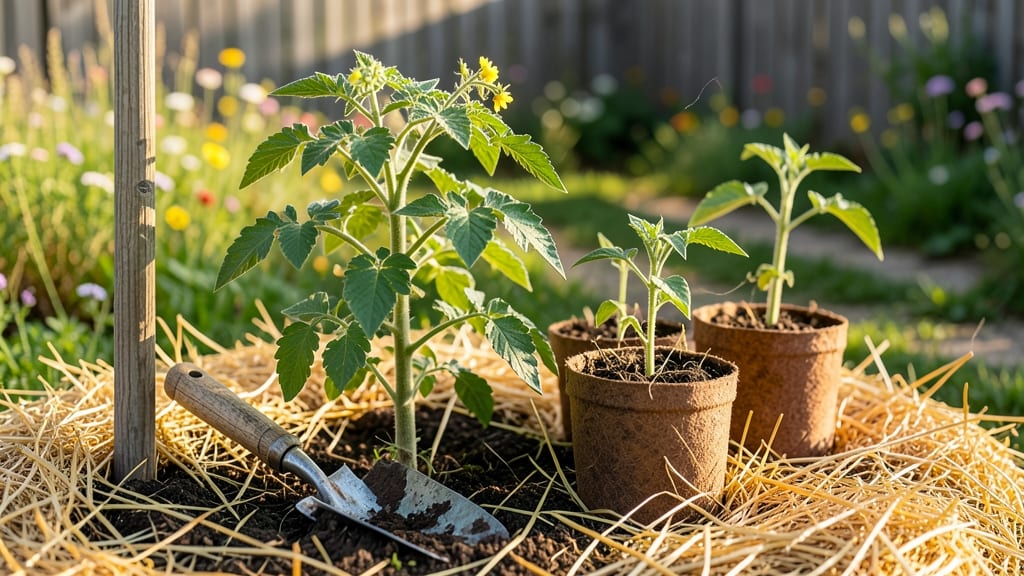
Planting tomatoes in Indiana isn’t just about grabbing seeds and sticking them in the ground—it’s about timing everything perfectly to beat frost and maximize your harvest.
With the last frost date hovering around April 15 in most of the state, getting those 🍅 seedlings in too early could mean a sad, frost-nipped crop, while waiting too long cuts your growing season short.
Indiana’s varied climate means your neighbors might be harvesting ripe tomatoes while you’re still waiting for yours to sprout. Whether you’re in USDA Zone 6a or further north, knowing the exact window for transplanting—usually mid-April to mid-May—is the key to success.
But what if the weather throws you a curveball?
I’ve grown tomatoes in Indiana for years, and I’ve learned that the best gardeners aren’t just following a calendar—they’re prepared for surprises.
From starting seeds indoors in March to adjusting for late frosts, I’ll walk you through the exact steps to ensure your tomato plants thrive, no matter what Mother Nature throws your way.
Ready to turn your Indiana garden into a tomato powerhouse? Let’s break down the optimal planting schedule, regional tweaks, and backup plans so you can enjoy fresh, homegrown 🍅 from June to October—without the stress.
Indiana last frost dates by region: exact planting windows for tomatoes
Indiana’s last spring frost dates vary dramatically from the northern tier (USDA zone 5a) to the southern border (zone 6b). In Fort Wayne, gardeners typically wait until May 1st to plant tomatoes outdoors, while Evansville gardeners can start as early as April 15th.
These differences mean your tomato planting window could shift by 3 weeks depending on where you live—so knowing your exact last frost date is critical for avoiding frost damage.
To find your precise last frost date, start with Indiana’s USDA hardiness zones, which range from 5a (coldest) to 6b (mildest). The National Weather Service and Purdue Extension offer free, localized frost risk maps that account for historical trends and microclimates.
For example, Indiana’s average last frost spans from April 10th (south) to May 5th (north), but your backyard could be 1-2 weeks earlier or later due to elevation, urban heat, or nearby lakes.
Here’s a region-by-region breakdown of Indiana’s last frost dates, including actionable planting deadlines for tomatoes. Use this as your planting timeline, but always verify with local data before committing to your schedule.
For northern Indiana (zones 5a/5b), like Fort Wayne or Gary, the last frost date often lands in early May, making May 15th your ideal planting window for tomatoes. However, cold soil is a major hurdle—tomatoes need soil temperatures above 60°F to thrive.
Use black plastic mulch or straw covers to warm the soil faster and extend your season by 1-2 weeks.
In central Indiana (zone 6a), including Indianapolis and Muncie, the last frost date typically arrives by April 25th.
This gives you a 2-week window to plant tomatoes after the frost risk passes. Early Girl or Stupice varieties are excellent choices here—they mature in 55-60 days, giving you a long harvest window before the first frost in October.
Southern Indiana (zones 6a/6b), such as Evansville and Terre Haute, enjoys the earliest last frost dates in the state, often by April 15th. This allows you to plant early varieties like ‘Cherry Tom’ or ‘Better Boy’ as soon as April 15th, giving you a longer growing season. However, even here, late frosts can occur, so always have row covers ready.
To verify your local frost dates, check the National Weather Service
How to adjust tomato planting for Indiana’s microclimates and soil risks
Indiana’s cold soil and unpredictable late frosts can turn a promising tomato harvest into a bust. Urban areas like Indianapolis often experience heat islands that dry out soil faster, while northern regions face delayed warming.
Meanwhile, Indiana’s clay-heavy soils drain poorly, creating root stress. These challenges mean standard planting advice won’t work—you need regional tweaks to protect your plants.
Start by testing your soil’s temperature and pH. Tomatoes thrive in soil that’s at least 60°F—cold soil slows growth and invites disease. In northern Indiana, this might not happen until late May, while southern areas can plant in early April.
Use a soil thermometer to check depth (4-6 inches) before transplanting. If your soil is too acidic (pH below 6.0), add lime 2-3 weeks before planting.
⚠️ callout-warning
⚠️ Indiana’s Hidden Frost Risks
Late frosts after Memorial Day are common in Indiana’s Zone 5a-6a. Even if your area averages April 15 for last frost, 30% of years see frost after May 10. Use Purdue’s frost maps (climate.ag.purdue.edu) to find your 10-year frost trends. For urban gardens, heat islands can create microclimates 5-10°F warmer than rural areas—plant 1-2 weeks later to avoid heat stress.
Soil warming hacks:
- Lay black plastic mulch 2 weeks before transplanting to raise soil temp by 10-15°F.
- Use row covers (floating fabric) to protect seedlings from light frost (28°F tolerance).
- Plant in raised beds—they warm 2-3 days faster than in-ground soil.
For early starts, begin seeds indoors 6-8 weeks before your last frost date. Use grow lights (14-16 hours/day) to prevent leggy seedlings. Harden off seedlings by placing them outdoors for 2-3 hours daily for a week before transplanting.
If nighttime temps dip below 50°F, cover seedlings with row fabric or a cloche to prevent stunting.
Indiana’s clay soils hold moisture but suffocate roots. Amend beds with compost or aged manure (1-2 inches mixed into top 6 inches) to improve drainage. Add perlite or coarse sand (1 part to 3 parts soil) if your soil feels sticky when squeezed.
For container growing, use a 50/50 mix of potting soil and compost to prevent compaction.
Extend your season by 2-3 weeks with season extenders. Install a low tunnel (hoop house with row cover) over plants in early fall to trap heat. Choose fast-maturing varieties like ‘Early Girl’ (55 days) or ‘Stupice’ (60 days) for backup harvests.
If frost threatens, harvest green tomatoes and ripen indoors with apples or bananas (ethylene gas speeds ripening).
Monitor Purdue’s frost alerts and adjust your planting timeline yearly. Even in Zone 6b, a late frost can occur—stay flexible. By combining soil warming, protective covers, and regional adjustments, you’ll turn Indiana’s challenges into a longer, healthier tomato season. 🌱