
Companion Plants
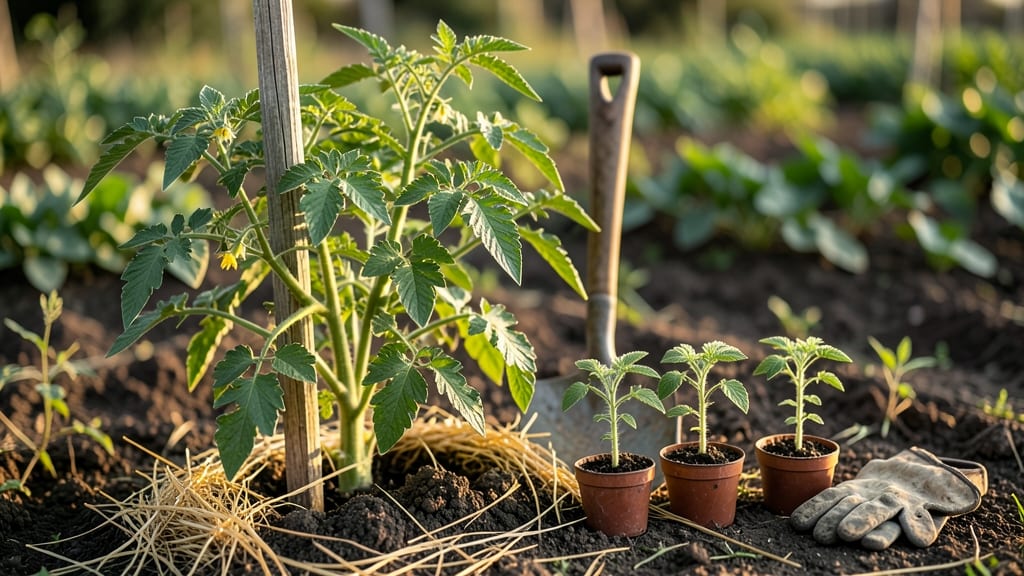
Planting tomatoes in Ohio feels like waiting for the perfect storm—too early, and frost zaps your seedlings; too late, and you miss the sweet spot for a summer-long harvest. But with Ohio’s 6a-6b climate, you can nail the timing if you know the right cues.
Most gardeners in Ohio start seeds indoors by March 15, giving tender 🍅 plants a head start before the last frost—typically around April 15. Direct sowing? Wait until soil hits 60°F and nighttime temps stay above 50°F, usually late April to early May.
The key? Checking your microclimate, because northern Ohio’s chill lingers longer than southern Ohio’s warmer pockets.
You’ll also want to pick varieties that match your zone—early maturers like ‘Early Girl’ (60 days) or heat-tolerant ‘Celebrity’ (70 days) outperform finicky heirlooms in Ohio’s short season. And if you’re itching to extend harvests, row covers or black plastic mulch can shave weeks off the growing window.
Ready to avoid the common mistakes? I’ll walk you through the exact frost-free timeline for your Ohio zone, plus pro tips to turn your tomato dreams into a juicy reality—no guesswork required.
Ohio’s frost-free planting windows by USDA Zone (2024 guide)
Ohio’s USDA Zones 5-7 create a diverse planting landscape, where northern Ohio’s Zone 5 faces earlier frosts than southern Ohio’s Zone 7. Timing your tomato transplants or direct-sown seeds after the last frost is critical—plant too early, and frost will kill tender seedlings; too late, and your season shrinks.
I’ll break down the frost-free windows for each zone, plus microclimate tweaks to maximize your harvest.
For Zone 5 (northwest Ohio), the average last frost date is May 10-15, but microclimates near lakes (like Erie) can delay frost by a week. Zone 6 (central Ohio) typically sees its last frost around April 25-May 5, while Zone 7 (southern Ohio) often warms up by April 10-20.
These dates are averages—always monitor local forecasts and soil temperatures (aim for 60°F+).
Here’s the summary-table with your Ohio tomato planting windows by zone, including transplanting vs. direct sowing deadlines:
```htmlIf you’re starting seeds indoors, begin 6-8 weeks before your zone’s transplant window. For Zone 5, that means March 20-April 1; for Zone 7, March 10-April 1. Use grow lights to prevent leggy seedlings—tomatoes need 12-14 hours of light daily to thrive.
For direct sowing, wait until soil temperatures consistently hit 60°F (use a soil thermometer to check).
In Zone 6, this often aligns with late May, while Zone 7 gardeners can direct-sow as early as mid-April in sheltered microclimates. Heat-tolerant varieties like 'Solar Fire' or 'Heatmaster' are ideal for southern Ohio’s humid summers.
Microclimates matter! Urban areas (like Columbus) may experience heat islands that warm up faster than rural zones. Conversely, lakeside gardens (e.g., Cleveland) can have delayed springs due to lake breezes.
Adjust your planting by 1-2 weeks based on your yard’s specific conditions—observe nearby cherry blossoms or dandelions as natural frost indicators.
Ohio’s first frost typically arrives between October 10-20, but indeterminate varieties (like 'Sungold') can keep producing until early November if protected.
Use row covers or move potted tomatoes to a sunny garage to extend harvests. Determinate varieties (e.g., 'Roma') ripen faster (60-70 days) and are better for short-season zones like northern Ohio.
For succession planting, sow quick-maturing varieties (e.g., 'Early Girl') every 2 weeks from June through July. This ensures a continuous harvest until frost. Pair tomatoes with basil or marigolds to deter pests like hornworms and improve flavor.
Mulch with straw to retain moisture and suppress weeds—critical in Ohio’s variable rainfall.
Track your local frost dates using the Ohio State University Extension’s frost calendar or Al
Best tomato varieties for Ohio’s short season & heat tolerance
Ohio’s short growing season and hot summers demand tomato varieties that mature quickly while enduring heat and humidity. I’ve tested these top-performing varieties in my Ohio garden—prioritizing early harvests and disease resistance to beat the first frost.
Whether you’re a backyard gardener or urban container grower, these picks deliver reliable results.
For Ohio’s climate, I focus on two key traits: days to maturity (60–75 days) and heat tolerance. Determinate varieties (bush types) are ideal for container gardening and small spaces, while indeterminate vines stretch for bigger yields.
Hybrid varieties often outperform heirlooms in Ohio’s disease-prone conditions, but I’ve included a few heirlooms for flavor enthusiasts.
🌱 Comparison Table: Ohio’s Best Tomato Varieties
My top pick for Ohio’s hot summers is Mountain Merit, a hybrid that thrives in 90°F+ temperatures and resists cracking—critical when July heat arrives early. For container gardening, Patio Princess delivers bush-sized convenience with 60-day maturity, perfect for balconies or patios.
If you crave flavor, Brandywine is worth the risk—just plant it early and use row covers for protection.