
Planting
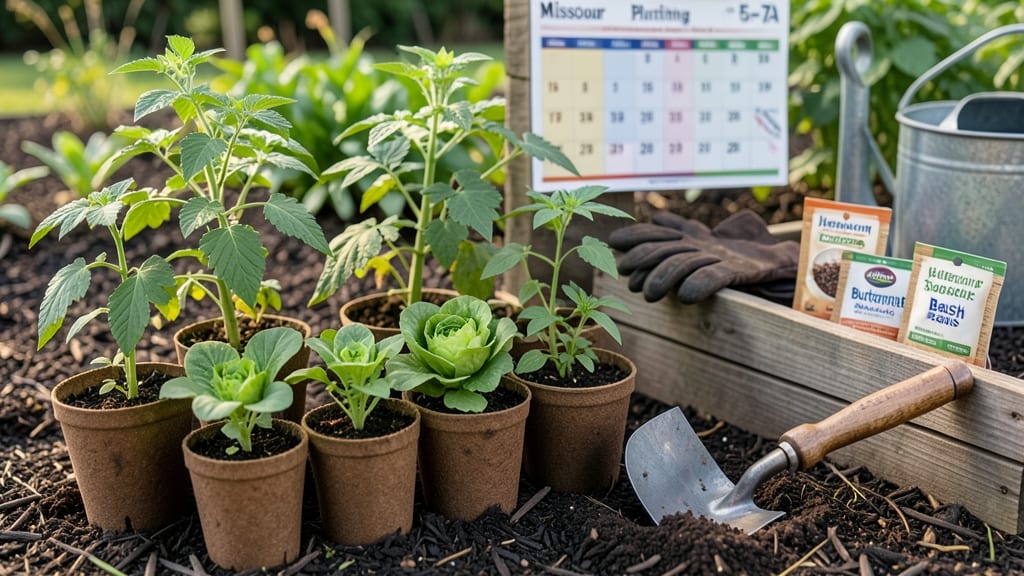
Planting your garden in Missouri at the wrong time can mean the difference between a bountiful harvest and wilting disappointment—especially when frost dates vary wildly from northern to southern regions.
Whether you're growing tomatoes in St. Louis or potatoes in the Ozarks, timing is everything, and getting it right means avoiding those heartbreaking late-spring freezes.
I’ve spent years tracking Missouri’s frost-free windows, and what I’ve learned will help you avoid common mistakes. From warm-season crops like peppers (which need soil temperatures above 60°F) to cool-season greens that thrive in early spring, the right schedule makes all the difference.
Let’s break down exactly when to plant in your specific zone.
Missouri’s climate isn’t one-size-fits-all—northern areas like Kansas City often see their last frost in early May, while southern regions like Cape Girardeau can start planting weeks earlier. That’s why knowing your USDA zone and local microclimates is the key to success.
I’ll walk you through the best planting windows for vegetables, flowers, and perennials so you can start strong and finish strong.
Ready to turn your garden dreams into reality? Grab your calendar and let’s dive into the exact dates and tips you need to plant like a pro—no guesswork, just results. Your future harvests will thank you!
Missouri frost-free dates by region: when to start planting
Missouri’s climate varies dramatically from north to south, with last frost dates differing by up to 3 weeks. In the northern region, gardeners often wait until early May, while southern Missouri’s Bootheel can start planting as early as mid-April.
Understanding your local frost-free date is critical for timing warm-season crops like tomatoes and peppers.
For cool-season crops such as spinach and peas, timing matters too—planting too late can result in bolting before harvest. Missouri’s first frost dates also vary, typically arriving in late October in the north and as late as mid-November in the south.
Always verify your microclimate—urban St. Louis may experience 2-3°F warmer temperatures than rural areas.
Comparison-Table of Missouri’s frost-free dates by region:
To verify your local frost dates, check the Missouri Botanical Garden’s Planting Calendar or use a frost-free date calculator like the one from the National Oceanic and Atmospheric Administration (NOAA).
Urban areas like St. Louis often experience heat islands, delaying frost by 1-2 weeks compared to rural zones.
For warm-season crops, wait until soil temperatures reach 60°F—use a soil thermometer to confirm.
In northern Missouri, this typically aligns with late May, while southern regions can start as early as mid-April. Cool-season crops like spinach and peas thrive when planted 4-6 weeks before the last frost.
Always account for microclimates—south-facing slopes warm faster, while low-lying areas may experience frost pockets. If you’re unsure, opt for transplanting seedlings instead of direct sowing to avoid frost damage. For example, tomato plants can handle a light frost but will suffer if temperatures drop below 28°F.
Missouri’s Ozarks region often sees the earliest spring warmth, making it ideal for early planting of crops like squash and corn. However, northern Missouri gardeners should wait until after May 15 to avoid late spring frosts, which can devastate tender seedlings.
Always have frost cloth on hand for unexpected cold snaps.
Extend your growing season by using season extenders like cold frames or row covers. These tools can push your last frost date back by 2-4 weeks, allowing you to plant cool-season crops later in the fall.
For instance, spinach can be sown as late as September 15 in southern Missouri with protection.
Pro tip: Keep a gardening journal to track your local frost dates over time. Missouri’s climate shifts yearly, and your personal records will help refine planting schedules. Start with hardy varieties like Swiss chard or radishes to test your soil and timing before investing in heat-loving crops like peppers.
By aligning your planting schedule with your
Best planting schedule for Missouri vegetables and flowers
Missouri gardeners know timing is everything—especially with the state’s diverse microclimates and unpredictable weather. Whether you’re growing heirloom tomatoes or native wildflowers, planting at the right time ensures healthy plants and bountiful harvests.
Below is my region-specific schedule for Missouri’s most popular crops, including succession planting tips to extend your growing season.
For northern Missouri (USDA Zones 5-6), aim for late April to early May for cool-season crops, while southern Missouri (Zones 7-8) can start as early as mid-March. The Ozarks and Bootheel have their own unique windows—don’t assume one size fits all!
I’ve included Missouri-proven varieties like ‘Missouri Golden’ sweet corn and ‘Cherokee Purple’ tomatoes that thrive in our soil.
⚠️ PRO TIP: Always check your local frost-free date (typically April 15-Northern MO to March 1-Southern MO) and wait 2-3 weeks before planting warm-season crops like peppers and squash. Use row covers for early starts!
For succession planting, focus on leafy greens like lettuce and spinach, which tolerate cooler temps.
I recommend sowing every 2-3 weeks from spring through early fall to avoid bolting. Herbs like basil also benefit from staggered plantings—just be sure to protect them from late spring frosts with row covers or cloches.
Missouri’s humid summers