
Planting
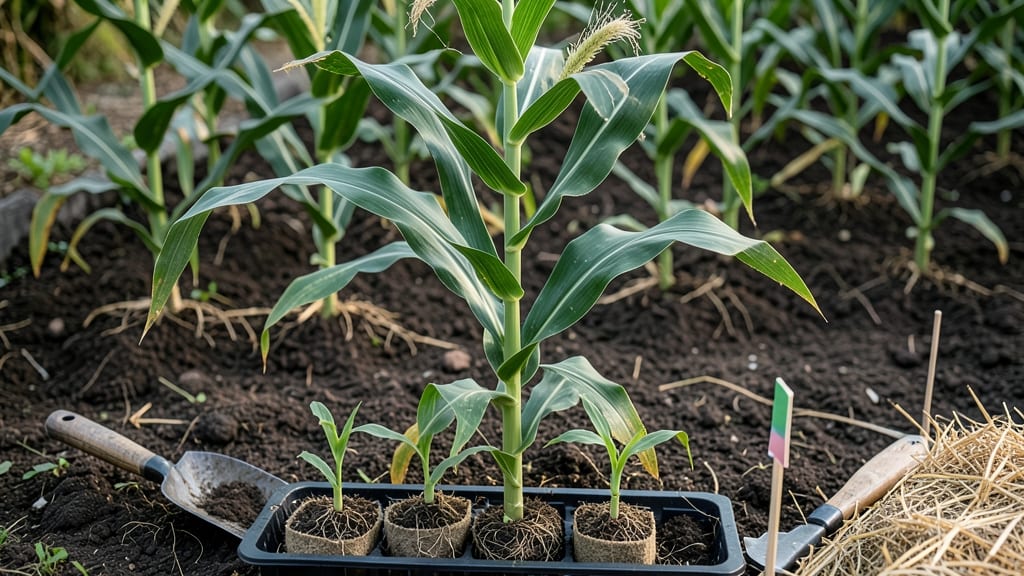
When to plant a garden in Iowa isn’t just about following a calendar—it's about outsmarting the unpredictable frosts that can turn your hard work into a sad, wilted disappointment. With USDA zones 5a-6b and last frost dates that shift yearly, knowing when to plant your General Garden Plants (Iowa) 🌱 means the difference between a thriving harvest and a season of frustration.
I've spent years watching my garden respond to Iowa's quirks, and what I've learned is that the key isn't guessing—it's planning. Whether you're dreaming of crisp June lettuce or sweet October tomatoes, the right timing turns your backyard into a productive haven.
Let me show you exactly when to start seeds, transplant tender crops, and even extend your growing season with clever tricks.
From hardy peas that can handle March chill to heat-loving peppers that need to wait until after Memorial Day, each plant has its own schedule.
We'll break down the best months for your 5a-6b zone, including how to adjust for northern Iowa's cooler pockets versus southern Iowa's slightly warmer stretches. No more second-guessing—just confident planting.
Ready to stop playing the frost lottery? I'll walk you through the exact windows for spring starts, summer succession planting, and fall extensions, plus how to protect your investments when late frosts sneak in. Your 150-day growing season starts now—let's make the most of it.
Iowa planting calendar by USDA zone: exact dates for cold-hardy vs. warm-season crops
Iowa’s USDA zones 4a-5b mean gardeners must work with a short growing season—about 150-180 frost-free days. Timing is everything: plant too early, and a late frost will kill tender seedlings; too late, and your tomatoes won’t ripen before fall.
The key is understanding your last spring frost (typically April 15 in southern Iowa, May 1 in the north) and planning around it. This calendar breaks down month-by-month planting windows for both cold-hardy and warm-season crops, tailored to Iowa’s climate quirks.
For northern Iowa (zones 4a-4b), where winters are harsher, focus on early spring crops like peas, spinach, and potatoes. In southern Iowa (zones 5a-5b), you can push the envelope with late-summer tomatoes and fall broccoli.
Regardless of zone, soil temperature (aim for 50°F+) is just as critical as air temperature. Use a soil thermometer to avoid false starts—cool soil can stall germination even if air is warm.
Pro Tip: Bookmark your local Cooperative Extension Service frost date maps (like Iowa State’s) for real-time updates. A 5-day delay in last frost can mean the difference between planting cucumbers in late May vs. early June.
In northern Iowa (zones 4a-4b), wait until May 10–20 to plant tomatoes and peppers, as late frosts are common. Southern Iowa gardeners can push warm-season crops into early June, but always have row covers ready.
For succession planting, sow lettuce, radishes, and beans every 2 weeks from May through July to ensure a steady harvest.
Don’t overlook fall planting—Iowa’s mild autumns allow for broccoli, cabbage, and spinach until September 15. These crops actually sweeten after frost, making them perfect for late harvests. For perennials like asparagus, plant crowns in early spring (March–April) or fall (September–October) for the best root establishment.
If you’re new to Iowa gardening, start with cold-hardy crops like peas and spinach in March—these are forgiving and give you confidence before tackling tomatoes and peppers. For container gardening, use fast-maturing varieties (e.g., ‘Early Girl’ tomatoes) and move pots to sheltered spots
Cold-hardy crops that thrive in Iowa’s early spring: what to plant before May
Iowa’s early spring can feel like a gardening tightrope—too soon and frost zaps your seedlings, too late and you miss the window for cold-hardy crops. But with the right frost-tolerant varieties, you can start planting as early as March in most of the state.
These resilient crops thrive when temperatures dip below 50°F, giving you a head start on the growing season.
Key to success? Understanding Iowa’s USDA zones (4a-5b) and using row covers to extend your planting window. Whether you’re sowing seeds directly or transplanting young plants, these 10 cold-hardy crops will reward you with early harvests while protecting your wallet from late-season grocery bills.
Sow 4-6 weeks before last frost. Thrives in cool temps (40-70°F). Use trellises to save space.
Direct sow 2-3 weeks before last frost. Prefers partial shade in summer. Harvest outer leaves for continuous yield.
Sow 4-6 weeks before last frost. Sweeter after frost! Use row covers for extra protection.
Fast-growing (3-4 weeks). Sow every 2 weeks for continuous harvests. Thin to 1 inch apart.
Plant seed potatoes 2-3 weeks before last frost. Use straw mulch to prevent greening. Harvest when flowers fade.
Don’t overlook herbs like cilantro and parsley, which also tolerate light frosts. These can be sown alongside your leafy greens in early March for a flavorful spring harvest.
For extra protection, use floating row covers—they raise soil temperatures by 5-8°F, accelerating growth while shielding tender seedlings from late frosts.
Pro tip: Test your soil’s drainage before planting. Iowa’s clay-heavy soils can lead to waterlogged roots, especially after spring rains. Amend with compost or sand if needed, and avoid working wet soil to prevent compaction.
With these cold-hardy crops in your rotation, you’ll enjoy fresh homegrown greens and herbs long before your neighbors’ gardens even sprout. Just remember: patience is key—rushing can turn your early spring garden into a frosty disappointment. 🌱