
Planting
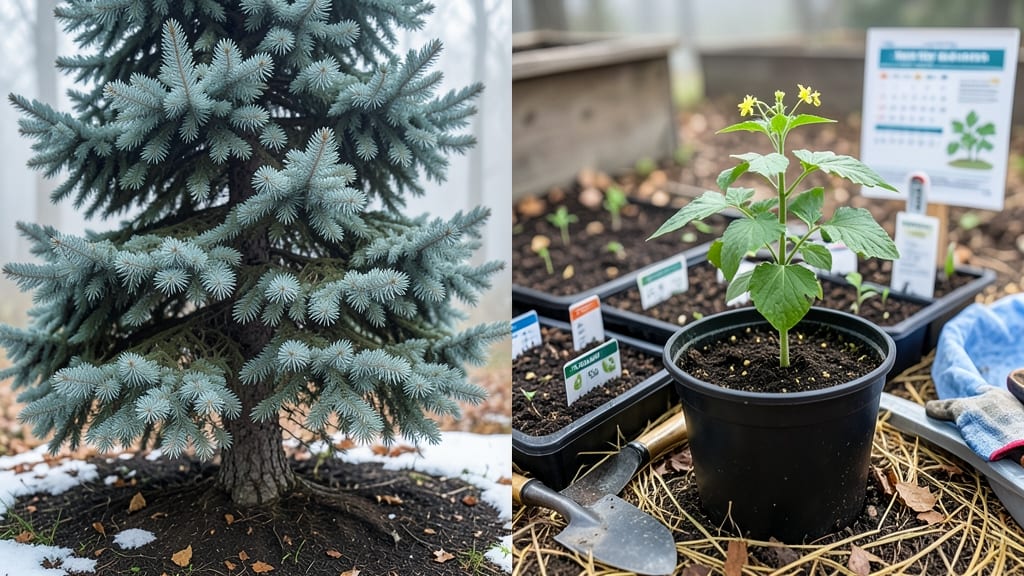
Timing your garden in Colorado isn’t just about the calendar—it’s about matching your plants to the chill-hours of your elevation zone. Whether you’re in the Front Range or the Western Slope, planting too early or late can mean the difference between a thriving 🌱 harvest and wasted effort.
Colorado’s diverse climate throws a curveball: frost can linger into June at higher elevations, while lower zones may already be baking by May. That’s why I’ve broken down the ideal planting windows for each zone, so you can avoid common mistakes and get your garden off to the right start.
From cold-hardy peas in early spring to heat-loving tomatoes in summer, we’ll cover what to plant—and when—to maximize your yield. Plus, I’ll share pro tips for adjusting to Colorado’s unpredictable weather, so your garden stays ahead of the game.
Ready to turn your backyard into a productive oasis? Let’s dive into the zone-specific schedule that’ll have your plants flourishing all season long.
Colorado planting zones by elevation: chill-hours and ideal timing
Colorado’s elevation ranges from 3,300 feet in the San Luis Valley to over 14,000 feet in the mountains, creating wildly different chill-hour requirements for plants. Unlike traditional USDA zones, Colorado’s microclimates demand precise timing—especially for vegetables, perennials, and annuals.
For example, potatoes need 1,500+ chill-hours in high-altitude zones but may rot in lowland heat. Let’s break down the four key elevation zones and their ideal planting windows.
Understanding chill-hours (the number of hours below 45°F) is critical. Most Colorado-grown perennials (like lavender or coneflowers) thrive with 500–1,000 chill-hours, while cool-season veggies (kale, peas) need fewer than 500. Meanwhile, heat-loving crops (tomatoes, peppers) struggle in zones with excessive chill-hours.
Below, we’ll map last-frost dates and planting windows for each zone, plus microclimate tweaks (like urban heat islands or alpine valleys) to fine-tune your schedule.
🌱
For the Front Range (Denver, Boulder, Fort Collins), where chill-hours average 800–1,200, spring planting kicks off April 15–May 10 after the last frost (typically May 1–15). Perennials like Russian sage or catmint thrive here, while cool-season veggies (spinach, lettuce) can handle light frosts.
Urban areas like Denver experience heat islands, so adjust planting 1–2 weeks later than rural zones. Row covers are your best friend for late-May frosts, which can still hit unexpectedly.
In the Western Slope (Grand Junction, Durango), drier air and earlier springs mean you can plant March 20–April 10.
This zone’s 600–900 chill-hours suit drought-tolerant perennials like yucca or sedum, while warm-season crops (peppers, eggplants) need protected starts if seeded early. Mulch heavily to retain moisture—this region’s low humidity can stress young plants.
Fall planting here extends to September 1, giving you a second harvest of kale or radishes before frost.
The San Luis Valley (Alamosa, Monte Vista) is a high-chill zone (1,200–1,500 hours), where **pot
Best vegetables and flowers to plant by Colorado month (zone-specific guide)
Colorado’s four distinct elevation zones create wildly different planting windows. The Front Range (5,000–7,000 ft) has longer growing seasons than the Western Slope (4,000–6,000 ft), while mountain valleys (7,000+ ft) demand early starts.
Even perennials like lavender need chill-hour timing to thrive. Below, I’ve broken down the best vegetables and flowers to plant each month, adjusted for your zone.
For cold-hardy crops like kale and peas, start as early as March in Zone 5–6. Meanwhile, heat-lovers such as okra and basil wait until June in Zone 7+.
Perennials like coneflowers and Russian sage can go in anytime soil isn’t frozen. The key? Staggered planting for continuous harvests—sow lettuce every 2 weeks from April to August.
🌱 Comparison Table: Colorado Planting by Month & Zone
In Zone 4–5 (e.g., Steamboat Springs), focus on cool-season crops like potatoes and peas in May. These areas have a shorter growing season, so opt for early-maturing varieties like ‘Early Girl’ tomatoes (55 days).
For Zone 6–7 (e.g., Colorado Springs), you can push the envelope with heat-lovers like okra and sweet potatoes, which thrive in July–August’s 90°F+ temps.
Perennials like lavender and coneflowers can be planted anytime soil is workable, but spring planting gives them time to establish roots before winter. For extended harvests, try succession planting with bush beans—sow every 2 weeks from May to July. This ensures fresh green beans all summer long.
Don’t forget fall planting! In Zone 5–6, you can still sow spinach, kale, and garlic in September for harvests next spring. Use row covers to protect tender greens from early frosts (which can hit as early as October in the mountains).
🌿