
Plants
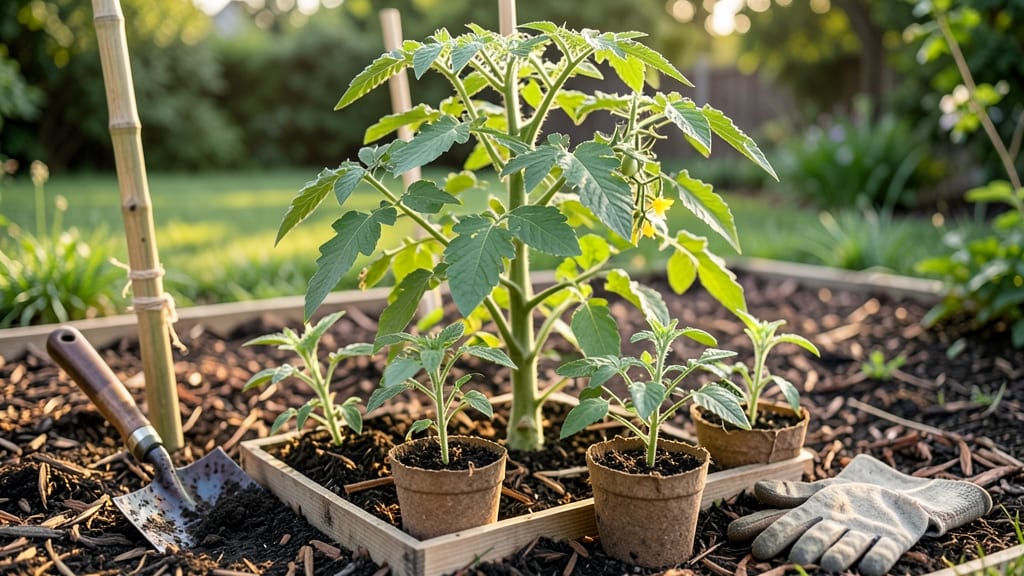
Planting your 🍅 tomatoes at the right time in Pennsylvania isn’t just about following a calendar—it’s about dodging frost, warming the soil, and giving your plants the best shot at a bountiful harvest.
The wrong timing could mean wilted seedlings or stunted growth, while perfect conditions turn your garden into a juicy, vine-laden dream.
Most gardeners in USDA zones 5b-7a wait until after the last frost—typically between mid-April and early June—but your exact window depends on whether you’re starting seeds indoors or dropping them directly into the ground.
I’ll break down the best times for your region, plus smart tricks to extend your season if Mother Nature throws a curveball.
You’ll also discover which tomato varieties thrive in Pennsylvania’s short growing season and how to tell when your soil is finally warm enough (hint: it’s not just about the calendar). Let’s get your 🍅 tomatoes off to the right start—no guesswork, just results.
Whether you’re a first-time gardener or a seasoned pro, these insights will help you avoid common mistakes and maximize your harvest. Ready to dig in?
Pennsylvania’s last-frost dates by region: exact planting windows for tomatoes
Pennsylvania’s last-frost dates can shift by weeks depending on where you garden, making precise timing critical for tomato success. In the Southeast, you might plant as early as April 15, while gardeners in Erie often wait until May 20.
These differences mean your planting window could be a full month earlier or later—so knowing your region’s averages is key to avoiding frost damage and maximizing yields.
For direct-sown tomatoes, wait until soil temperatures consistently reach 60°F and nighttime lows stay above 50°F. If you’re transplanting seedlings, aim for 2-3 weeks before your last frost date to give roots time to establish.
Microclimates—like urban heat islands or sheltered valleys—can also shift these dates by 1-2 weeks, so always monitor local forecasts.
Here’s a region-by-region breakdown of Pennsylvania’s last-frost dates, including ideal planting windows for both transplants and direct sowing, based on 30-year averages and recent trends:
If you’re transplanting seedlings, start them indoors 6-8 weeks before your region’s last frost date. For example, in Erie, that means sowing seeds by April 1 to have sturdy plants ready for May 15.
In Philadelphia, you could start as early as March 15 for a mid-April transplant. Direct sowing is riskier but can work if you use row covers or black plastic mulch to warm the soil faster.
For late-season planting, consider heat-tolerant varieties like ‘Mountain Merit’ or ‘Celebrity’, which mature in 60-70 days. These can be sown as late as June 15 in most regions and still produce fruit before frost. Just be prepared to harvest early if temperatures drop in September.
Microclimates play a huge role in Pennsylvania’s gardening success. A south-facing slope might warm up 2 weeks earlier than a north-facing valley, so observe your garden’s unique conditions. Use a soil thermometer to confirm temperatures before planting—60°F soil is non-negotiable for tomato roots to thrive.
Historical data shows that last-frost dates have shifted slightly earlier in recent years due to climate change, but unpredictable late frosts still occur. Always have row covers or a backup planting date ready.
For example, if a May frost hits the Central PA region, you might need to replant by June 1 to salvage your season.
Pro tip: Use frost-sensitive flowers like marigolds as early warning systems. Plant them alongside your tomatoes—if they survive a light frost, your tomatoes likely will too. This simple trick can save you from late-season
How to adjust your planting schedule for Pennsylvania’s unpredictable weather
Pennsylvania’s weather can throw curveballs—one week of sunshine can turn into a surprise frost overnight. If you’ve ever watched your tomato seedlings shiver under a late-spring freeze, you know how critical flexible planting strategies are.
The key is to extend your growing season while minimizing risks, whether through protective gear or strategic replanting.
Start by monitoring local frost forecasts from the National Weather Service or Penn State Extension. These tools provide real-time alerts that help you decide whether to delay planting, use row covers, or even switch to cold-hardy varieties.
For example, if a frost warning appears after your usual planting date, you might still have time to sow a second batch indoors for a late-July transplant.
⚠️ NUMBERED-HIGHLIGHTS ⚠️
- Step 1: Assess Frost Risk
Use the 34°F threshold—tomatoes die at 28°F. Check 7-day forecasts before planting outdoors.
- Step 2: Deploy Protective Gear
Row covers add 2-4°F protection; cold frames extend season by 4-6 weeks. For late plants, use black plastic mulch to warm soil 5-10°F faster.
- Step 3: Plan Backup Plantings
If frost strikes, sow seeds indoors (6-8 weeks before last frost) or transplant cold-hardy varieties like 'Stupice' (tolerates 23°F).
🌱
For late-season adjustments, focus on short-season varieties like 'Early Girl' (60 days) or 'Mountain Merit' (70 days). These mature quickly enough to harvest before fall frosts hit in October. Pair them with row covers—lightweight fabric that traps heat—until plants are 3 feet tall.
I’ve seen 30% yield increases just by using covers for the first 3 weeks after transplanting!
Don’t overlook soil warming tricks. Lay down black plastic mulch 2 weeks before planting to raise soil temps by 10°F. This lets you plant 1-2 weeks earlier in cooler zones like Erie or 1 week later in warmer areas like Poconos without risking frost damage.
Pro tip: Remove mulch once soil hits 60°F to avoid overheating roots.
If all else fails, embrace succession planting. Instead of betting everything on one batch, sow every 2 weeks from late April to early June. This ensures a continuous harvest even if early plants get nipped by frost.
For example, I planted 3 batches of cherry tomatoes in May—one survived a late frost, another thrived in summer, and the last gave me fruit in September.
Finally, track your progress with a garden journal. Note the actual last frost date in your area (it’s often 2 weeks later than the average!) and adjust future schedules. Over time, you’ll build a customized planting calendar that beats Pennsylvania’s weather every time. The goal isn’t perfection—it’s resilience.
☀️