
Plants
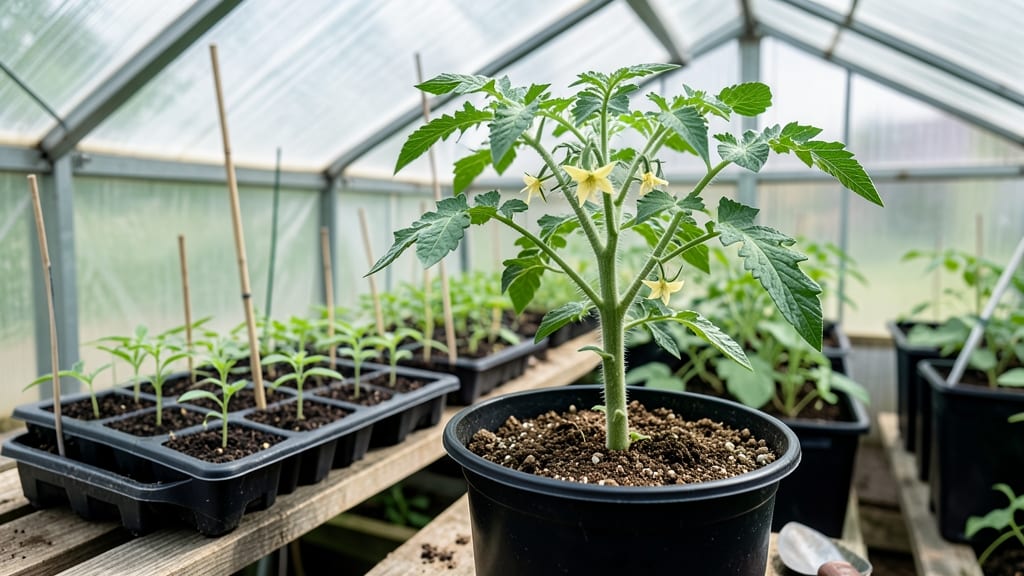
Timing your 🍅 tomato planting in a greenhouse isn't just about throwing seeds in the dirt—it's the difference between a 6-week harvest and a wasted season.
The key? Starting 4-8 weeks before your last frost, when soil temps hit 55°F+, so seedlings are strong enough to thrive once transplanted.
Most gardeners overlook how greenhouse microclimates let you cheat frost dates—warming soil faster and protecting young plants from chilly nights. But get it wrong, and you’ll battle leggy seedlings or stunted growth.
I’ll show you exactly when to begin based on your zone, plus how to stretch your growing window for bigger yields all summer long.
Whether you're in a mild Zone 9 or a cold Zone 5, the right schedule means healthier plants that fruit earlier. We’ll cover seed-starting tricks, transplant timing, and how to keep your greenhouse at the perfect 65-75°F for optimal growth—no guesswork involved.
Ready to turn your greenhouse into a tomato powerhouse? Let’s dive into the exact planting calendar that’ll have you harvesting juicy 🍅 by early summer, no matter where you live.
Optimal greenhouse planting timeline for tomatoes based on frost dates
Timing your tomato greenhouse planting is all about working with—not against—your local climate. Unlike outdoor gardens, greenhouses give you control over temperature fluctuations and frost protection, but you still need to align your schedule with last frost dates to maximize yield.
The key? Starting seedlings 4-8 weeks before your average last frost, depending on your USDA hardiness zone. This window ensures your plants reach transplant size (4-6 inches tall) just as outdoor conditions warm up.
For most gardeners, this means beginning seeds indoors 6-8 weeks before the last expected frost in your area. In Zone 5-6, that could be late February to early March, while Zone 9-10 gardeners might start as early as January.
The greenhouse advantage? You can stagger plantings to extend harvests, but only if you account for seedling maturity rates and greenhouse capacity. Let’s break down the exact timing for your zone.
| Frost Zone | Recommended Planting Window | Seedling Age at Transplant | Expected First Harvest | Greenhouse Temperature Targets |
|---|---|---|---|---|
| 5-6 (Mild Winters) | March 15-April 1 | 4-6 weeks old | June 15-July 1 | 65-75°F |
| 7-8 (Moderate Winters) | February 20-March 15 | 5-7 weeks old | May 20-June 15 | 60-70°F |
| 9-10 (Cold Winters) | January 20-February 15 | 6-8 weeks old | April 20-May 15 | 55-65°F |
If you’re in Zone 5-6, aim to transplant seedlings outdoors or into your greenhouse 2-3 weeks after your last frost date. For example, if your frost typically lifts by April 15, start seeds around March 1 to have 6-week-old seedlings ready.
In warmer zones (7-10), you can push this timeline earlier, but avoid starting seeds more than 8 weeks before transplanting—older seedlings struggle to adapt and may bolt prematurely.
Greenhouse growers in early frost zones (3-4) have an extra trick: use row covers or low tunnels to extend the outdoor season. Start seeds indoors 8-10 weeks before your last frost, then transplant into the greenhouse 4-6 weeks before the average date.
This buys you 2-3 extra weeks of growth before moving plants outdoors. For instance, in Zone 4, starting seeds by February 1 lets you transplant by April 15 and still harvest by July 1.
One common mistake? Assuming your greenhouse eliminates frost risk entirely. While it protects plants from light frosts (28-32°F), extreme cold (<25°F) can still damage young seedlings.
Monitor nighttime lows and use thermostat-controlled fans or space heaters to maintain 50°F+ during critical early stages. Pro tip: Place a minimum-maximum thermometer near your seedlings to track fluctuations.
For indeterminate varieties (like 'Sungold' or 'Brandywine'), which produce fruit all season, align your planting with the longest frost-free window in your area.
In Zone 6, this might mean starting seeds in early February for a June transplant, then succession planting every 2 weeks through July to keep harvests going until frost. The greenhouse lets you control light exposure and temperature swings, so you can push these limits safely.
Don’t forget to account for seedling vigor—some varieties (like 'Early Girl') germinate faster than 'Cherokee Purple'. Adjust your timeline by 1-2 weeks based on your seed packet’s days-to-germination estimate.
For example, if your seeds take 10-14 days to sprout, start them 2 weeks earlier than the general guideline to ensure uniform growth.
Finally, use your greenhouse’s microclimate advantages to fine-tune timing. If your greenhouse gets intense afternoon sun, shade cloth can prevent heat stress during seedling stages. Conversely, if your greenhouse is north-facing, supplement with grow lights (12-14 hours/day) to prevent leggy seedlings.
These adjustments let you shift planting windows by up to 2 weeks in either direction.
By mastering this 4-week pre-frost window, you’ll turn your greenhouse into a year-round tomato powerhouse, with harvests stretching from late spring to early fall. The key is consistency in temperature, light management, and seedling age—not just the calendar date.
Start with your zone’s guidelines, then tweak based on your greenhouse’s specific conditions. 🌱
How to extend your tomato growing season in a greenhouse for bigger yields
A greenhouse lets you defy seasonal limits, but maximizing your tomato harvest requires strategic timing and environmental control. The key lies in understanding how to manipulate your greenhouse's microclimate—controlling temperature, light, and humidity—to push your plants beyond what's possible outdoors.
By extending your growing season, you can enjoy tomatoes from early spring to late fall, even in colder climates.
Most gardeners focus on planting dates, but the real secret to bigger yields is what happens after seeds hit the soil. Whether you're working with a small hobby greenhouse or a large commercial setup, these techniques will help you stretch your harvest window while maintaining plant health.
Let’s break down the most effective methods, from warming the soil to managing light and spacing plants for continuous production.
3 Proven Techniques to Extend Your Tomato Season
-
1
Soil Warming Tricks
Use black plastic mulch or underground heating cables to maintain 70°F+ soil temps. Warmer soil speeds up germination and root growth, giving seedlings a head start. For larger greenhouses, consider a soil warming mat—a cost-effective way to jumpstart your season by 2-3 weeks. -
2
Light Supplementation
During short winter days, supplement with LED grow lights (12-16 hours/day) to prevent leggy seedlings. Focus on blue and red spectrum lights, which promote flowering. For small greenhouses, a single T5 fluorescent fixture can make a huge difference, while larger setups may need high-output LED panels for even coverage. -
3
Succession Planting Strategy
Stagger plantings every 2-3 weeks after your initial batch to create a continuous harvest window. For example, if your first planting yields tomatoes in June, follow up with a second batch in early July for a late-summer harvest. This works especially well for indeterminate varieties, which produce fruit all season long.
Another often-overlooked factor is greenhouse ventilation. Proper airflow prevents humidity buildup, which can lead to fungal diseases like early blight. Install automatic vents or oscillating fans to maintain temperatures between 75-85°F during the day and 60-65°F at night.
For small greenhouses, even a simple exhaust fan can make a difference in preventing heat stress on your plants.
If you're in a cold climate, consider using row covers or low tunnels inside your greenhouse to create a warmer microclimate for early plantings. These can raise soil temperatures by 5-10°F, allowing you to start seeds earlier.
Pair this with drip irrigation to keep soil moisture consistent—tomatoes hate wet feet but need steady water to produce fruit.
For those with larger greenhouses, automated climate control systems can take the guesswork out of maintaining ideal conditions. These systems monitor temperature, humidity, and CO2 levels, adjusting vents and fans automatically. Even a basic hygrometer and thermometer can help you make real-time adjustments to keep your tomatoes thriving.
Remember, the goal isn’t just to extend the season—it’s to optimize it. By combining these techniques, you’ll not only push your harvest window but also increase yield quality and reduce disease pressure.
Start with one or two methods this season, then build on your success as you become more comfortable managing your greenhouse environment.