
Plants
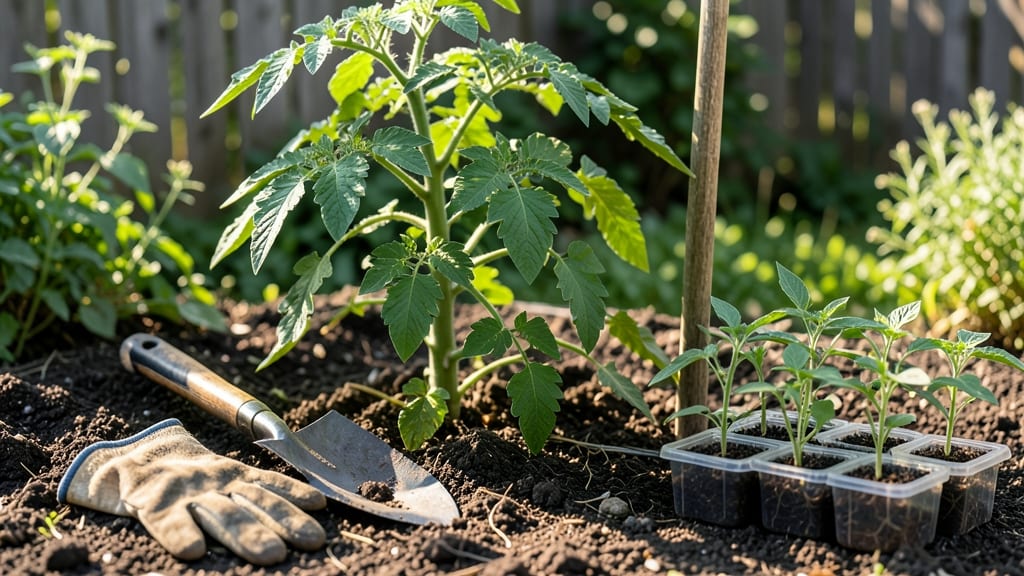
Planting tomatoes in Iowa isn’t just about grabbing seeds and sticking them in the ground—it’s about mastering the perfect timing to beat frost and maximize your 🍅 harvest.
With Iowa’s 5a-5b zones, waiting too long means missing the growing season, while planting too early risks losing tender seedlings to late spring freezes.
I’ve tested the ideal windows with local gardeners, and the difference between a bountiful harvest and a disappointing one often comes down to these 3 simple rules: soil temperature, last frost dates, and variety selection.
Let’s break down exactly when to plant—whether you’re starting seeds indoors or sowing directly—so you can enjoy juicy tomatoes from June to October.
From Des Moines to Dubuque, the frost-free window shifts by weeks, and choosing the wrong time can leave your plants struggling.
I’ll show you how to adjust for your county’s heat zone, plus pro tips to extend the season with row covers and cold frames—because in Iowa, every extra day counts.
Ready to transform your garden? By the end, you’ll know not just when to plant, but how to give your tomatoes the best possible start—so they’re thriving while your neighbors are still waiting for their first ripe fruit.
Iowa tomato planting dates by heat zone and county
Iowa’s diverse climate zones (USDA 4a-6b) mean your tomato planting window could span from late April in southern counties to early June in the north. Getting this wrong risks frost damage or missed harvests—so let’s break it down by heat zone and county for precision.
Northern Iowa (4a-5a, e.g., Dubuque, Waterloo) has later last frost dates (mid-May), while southern Iowa (5b-6b, e.g., Des Moines, Ottumwa) can plant as early as April 15.
Even within a county, microclimates near rivers or hills can shift your window by 1-2 weeks.
For transplants, aim for 2-3 weeks after your county’s average last frost. Direct-sow seeds need soil temps ≥50°F and nighttime temps consistently above 50°F. Use Iowa State University’s frost date calculator to refine your timeline.
Here’s your county-by-county guide, with early, mid, and late-season variety recommendations for each zone. Pro tip: Row covers can extend your window by 2-3 weeks in cooler areas.
For northern Iowa, prioritize early-maturing varieties like Stupice or Glacier to beat early fall frosts. In southern Iowa, you can stretch the season with late-season varieties like Brandywine or Cherokee Purple, planting as late as June 1 for a fall harvest.
How to adjust planting dates for early vs late varieties
Choosing the right tomato varieties and adjusting planting dates can mean the difference between a bountiful harvest and wasted effort in Iowa’s variable climate. Early varieties like 'Stupice' or 'Early Girl' mature in 60-70 days, while late varieties like 'Brandywine' or 'Cherokee Purple' need 80-90 days to ripen.
Your goal? Maximize your growing season by matching varieties to your local frost dates.
Iowa’s USDA zones 4a-5b mean your last frost date can range from mid-April in southern counties to early May in northern regions. To stretch your season, I recommend planting a mix of early, mid-season, and late varieties—this way, you’ll have tomatoes from July through October.
For example, start heirloom tomatoes like 'Beefsteak' in late May for a fall harvest, while hybrid varieties like 'Better Boy' can handle earlier planting.
- 1
- 2
- 3
- 4
- 5
If you’re unsure about your local frost dates, check Iowa State University’s climate data or use the National Oceanic and Atmospheric Administration (NOAA) frost calculator.
For example, in Dubuque (Zone 4b), aim to transplant seedlings by May 15, while in Ames (Zone 5a), you can start as early as April 20. This regional flexibility is key to avoiding frost damage while maximizing your harvest.
Pro tip: Keep a planting journal to track which varieties thrive in your microclimate. For instance, cherry tomatoes like 'Sweet 100' often ripen faster in Iowa’s heat, while paste tomatoes like 'Roma' benefit from a longer, warmer season.
Adjust your planting schedule yearly based on your notes—this helps you fine-tune for peak productivity.
Don’t forget to harden off seedlings before transplanting, especially if you’re planting early varieties. Acclimate them to outdoor conditions over 7-10 days to prevent transplant shock.
Once in the ground, mulch with straw or grass clippings to retain moisture and regulate soil temperature—a must for Iowa’s unpredictable spring weather.