
Plants
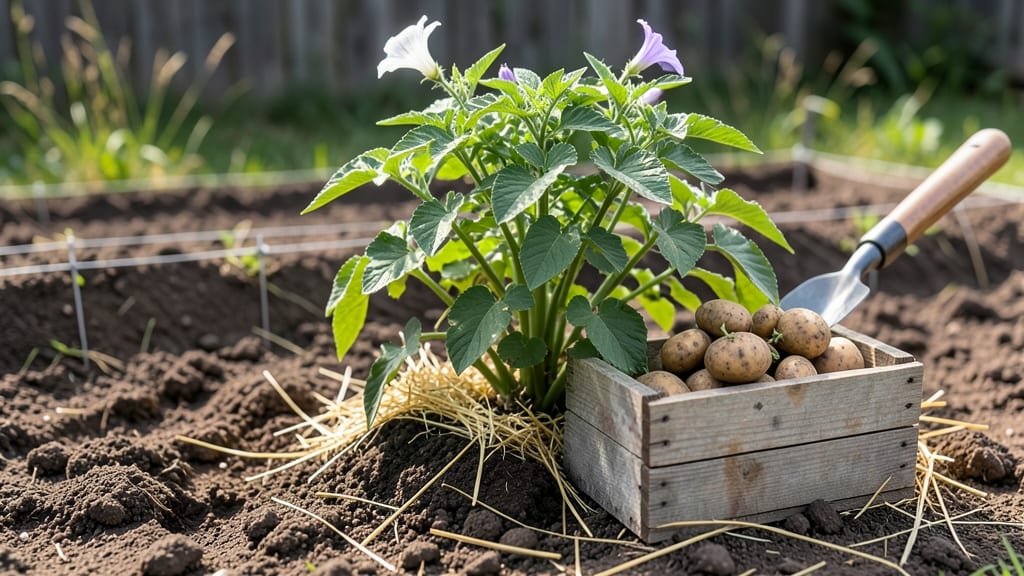
Planting potatoes in Pennsylvania at the wrong time can mean the difference between a bountiful harvest and wasted effort—especially when soil temperatures fluctuate unpredictably between 40°F and 50°F.
The key to success isn’t just waiting for the last frost (which can vary wildly from April 15 in the south to May in the north), but knowing when your soil is actually warm enough for those 🥔 sprouts to thrive.
If you’ve ever dug up soft, rotting potatoes because you planted too early—or missed your window entirely—you’re not alone. The solution? A simple soil temperature check (using a reliable thermometer) and choosing the right varieties for your microclimate.
I’ll walk you through the exact steps to time your planting perfectly, so you can avoid common mistakes and maximize your yield.
For Pennsylvania gardeners, the ideal window opens as early as late February for cold-hardy varieties, but most gardeners wait until March or April when soil consistently hits 45°F.
Whether you’re a first-timer or a seasoned grower, these insights will help you plan with confidence—because the best time to plant isn’t just about the calendar, but about the conditions.
Ready to skip the guesswork? Let’s break down the science behind soil warmth, frost-free timelines, and how to pick the perfect 🥔 varieties for your region—so you can enjoy homegrown spuds by July or August.
Pennsylvania’s ideal soil temperature for planting potatoes (with exact degrees)
If you’ve ever planted potatoes in Pennsylvania only to watch your seed potatoes rot in cold soil or sprout too slowly, you’re not alone. The soil temperature is the single most critical factor for successful potato germination—far more important than the last frost date alone.
In Pennsylvania’s USDA Zones 5-7, potatoes thrive when soil reaches 40-50°F, but regional differences mean your exact timing depends on whether you’re in the warmer Southeast or cooler Northeast of the state.
Why does this matter? Potatoes won’t germinate below 40°F, and planting too early in chilly soil leads to disease-prone sprouts or complete failure. Meanwhile, waiting too long risks a shorter growing season and smaller yields.
The key is balancing soil warmth with your local last frost date—typically April 15 in the south and May 1 in the north.
Here’s the game-changer: Soil warms faster in direct sunlight, especially in raised beds or black plastic mulch. In my Pittsburgh garden (Zone 6b), I’ve seen soil hit 50°F by early April under these conditions, while in-ground soil in Erie (Zone 6a) might not reach that until late April.
Testing your soil temperature is the only way to know for sure.
To test your soil temperature accurately, use a soil thermometer (available for under $10). Insert it 4-6 inches deep—the depth where potatoes will grow—and check readings in the morning.
If your soil is below 40°F, wait 3-5 days and retest. Pro tip: Black plastic mulch can raise soil temps by 5-10°F, letting you plant earlier.
For early varieties like Yukon Gold, aim for 45°F soil to maximize your harvest window. These potatoes mature in 90 days, so planting in late March (when soil hits 45°F) gives you a July harvest—just in time for fresh potato dishes.
In contrast, late varieties like Kennebec can tolerate slightly cooler soil (42°F) but need 120 days to mature.
One common mistake? Relying on air temperature instead of soil temperature. A 60°F day might feel warm, but if your soil is still 38°F, your potatoes won’t sprout.
I learned this the hard way in 2019 when I planted too early in Erie—my sprouts rotted before breaking through the soil. Since then, I’ve made it a rule to wait until soil hits 45°F, even if it means delaying planting by a week or two.
If you’re unsure about your local conditions, check the Penn State Extension’s frost date maps or use a local weather station app to track soil temps. For example, Philadelphia’s soil often warms faster than State College’s due to urban heat islands.
Adjust your planting date accordingly—earlier in cities, later in rural areas. With the right soil temperature, you’ll go from seed to sprout in 2-3 weeks, setting your potatoes up for a bountiful harvest.
Remember: Potatoes are cold-sensitive but heat-sensitive too. Planting when soil is above 60°F can stress the tubers, leading to shriveling or sunburn. The 40-50°F sweet spot is your best bet for uniform germination and healthy growth. Once you master this, you’ll never second-guess your planting date again.
Last-frost-date vs. soil-warmth timeline: Pennsylvania’s planting window explained
Pennsylvania’s last frost dates range from April 15 in the south to May 15 in the north, but these dates alone won’t guarantee your potato seeds will sprout.
Cold soil can stall germination for weeks, even if frost risk has passed. The real magic happens when soil warms to 45-50°F, triggering consistent sprouting.
For early varieties like Yukon Gold, aim to plant 2-4 weeks before your local last frost date—but only if soil temps are stable above 40°F. Late varieties like Kennebec can wait until soil reaches 50°F, even if frost risk lingers.
This timing balance extends your harvest window by 3-4 weeks compared to planting strictly by frost dates.
Here’s how to bridge the gap between frost dates and soil warmth using Pennsylvania’s climate zones:
| Planting Method | PA Climate Zone | Soil Temp Trigger (°F) | Planting Window | Cold-Hardy Variety |
|---|---|---|---|---|
| Early Outdoor Planting | Southeast (Zone 7) | 45°F | March 15–April 5 | Yukon Gold |
| Late Outdoor Planting | Northeast (Zone 5) | 50°F | April 20–May 10 | Kennebec |
| Container Planting | All Zones | 40°F (protected) | March 1–April 15 | Red Pontiac |
| Row Cover Extension | Northwest (Zone 5) | 35°F (covered) | February 28–March 15 | Adirondack Red |
Use a soil thermometer to verify temps—stick it 4 inches deep (where potatoes grow) for 3 days to confirm consistency. Morning readings are most reliable, as afternoon sun can skew results.
If your soil is still below 45°F by early April, consider container planting or using row covers to warm the soil faster.
For a second harvest, plant late varieties after Memorial Day once soil hits 55°F. This “succession planting” lets you enjoy potatoes from June through October. Just space them 12 inches apart in rows 3 feet wide to avoid crowding.
Pro tip: In Zone 5 areas, mix composted manure into beds before planting. It raises soil temps by 2-3°F and speeds up germination. Pair this with black plastic mulch for an extra 5°F boost—perfect for extending your growing season.
🌱