
Companion Plants
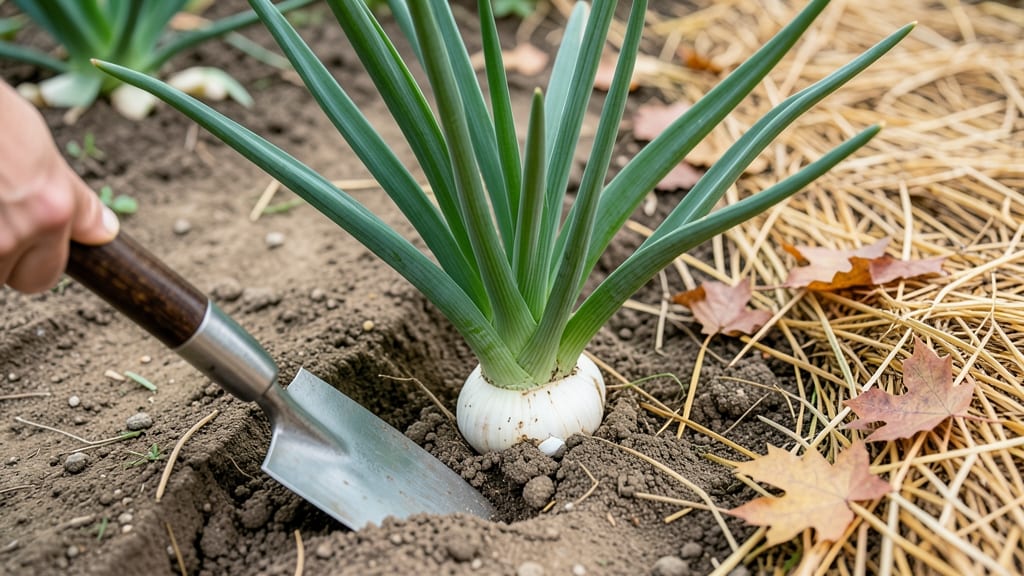
Timing your garlic planting in Zone 6 can feel like solving a puzzle—get it wrong, and you might end up with weak, underdeveloped 🧄 bulbs instead of the robust harvest you’re dreaming of.
The secret lies in matching your variety’s chill-hour needs to the region’s frost dates, a balance that turns fall planting into your best bet for success.
Here’s the thing: planting garlic too early or too late in Zone 6 can throw off its growth cycle, leaving you with disappointing results. Whether you’re growing hardneck or softneck varieties, understanding the ideal window—typically October to November—is the key to maximizing your yield.
I’ll walk you through the exact steps to align your planting with Zone 6’s climate quirks, so you can avoid common mistakes and set yourself up for a thriving crop.
You might be surprised to learn that even a few weeks can make a difference in how your garlic develops. For example, hardneck varieties need 300–1,000 chill hours, while softnecks thrive with fewer.
I’ll break down how to choose the right variety for your Zone 6 garden and when to plant it for the best results, ensuring you’re ready to harvest come mid-summer.
Ready to transform your garlic-growing game? Let’s dive into the specifics—soil prep, spacing, and even moon phase tips—to help you plant with confidence and reap the rewards of a bountiful harvest.

Zone 6 garlic planting timeline by chill-hour requirements
Garlic thrives in Zone 6 when planted during two distinct windows: fall (October–November) or early spring (February–March). The key difference? Chill-hour requirements—hardneck varieties need 300–600 hours below 40°F, while softnecks tolerate 600–1,000+ hours. Planting at the wrong time risks weak bulbs or no harvest at all.
Fall planting is ideal for most Zone 6 gardeners because it allows garlic to establish roots before winter. However, if you miss this window, February–March offers a second chance, though yields may be smaller. The critical factor? Soil temperatures—never plant when soil is above 60°F or below 40°F.
| Planting Window | Chill-Hour Needs | Soil Temp Threshold | Best Varieties |
|---|---|---|---|
| October–November | 300–1,000+ hours | 40°F–60°F | Hardneck (German White, Music), Softneck (Silverskin) |
| February–March | 600–1,000+ hours | 40°F–50°F | Softneck (Artichoke), Elephant Garlic |
For fall planting, aim to finish by mid-November in Zone 6. This gives roots time to anchor before winter, while still allowing bulbs to mature by summer.
If you plant too late, garlic may rot over winter or produce small, weak bulbs. Use a soil thermometer to confirm temperatures are between 40°F–60°F before planting.
Spring planting in February–March works best for softneck varieties, which handle milder winters. However, hardnecks planted in spring often bolt (flower) prematurely due to heat stress.
If you choose this route, prioritize shade-cloth and consistent moisture to delay bolting. Avoid planting after March 15, as heatwaves can stunt growth.
Heatwaves are the biggest enemy of garlic in Zone 6. If temperatures rise above 85°F during active growth, bulbs may split or develop hot spots (discolored, bitter cloves).
To mitigate this, mulch with straw or leaves (4–6 inches) to insulate roots and retain moisture. Water deeply in the morning to reduce evaporation.
Soil preparation is just as critical as timing. Garlic prefers well-draining, slightly acidic soil (pH 6.0–7.0). Work in compost or aged manure before planting to boost nutrients.
Avoid fresh manure, which can burn roots. In Zone 6, garlic planted in poor soil often yields small, pithy bulbs—so don’t skip this step!
Pro tip: Break apart garlic bulbs into individual cloves just before planting. Use the largest cloves for bigger harvests, but save smaller ones for next year’s seed stock.
Plant 2 inches deep, 4–6 inches apart, with the pointy end up. This ensures even growth and reduces disease risk from crowded plants.
After planting, apply a light mulch (2–3 inches) immediately to protect cloves from freezing. Increase mulch depth to 4–6 inches once winter sets in. This insulation is crucial for hardnecks, which need consistent cold exposure. Remove mulch in early spring to prevent rot as temperatures rise.
Monitor your garlic’s progress by checking for sprouts in late winter. If planted in fall, you’ll see green shoots by February. If planted in spring, expect sprouts in 3–4 weeks.
Adjust watering as needed—garlic needs 1 inch of water weekly, but reduce in winter to prevent rot. Harvest when lower leaves turn brown (usually July–August in Zone 6).
Remember: Patience is key. Garlic planted in fall takes 9–10 months to mature, while spring-planted garlic may take 10–12 months. Rush the harvest, and you’ll end up with small, underdeveloped bulbs. Let nature’s timeline guide you for the best results. 🌱
How to match garlic varieties to Zone 6’s frost dates
Zone 6’s first hard frost typically arrives around mid-October, while the last spring frost usually occurs by mid-April. These dates are your garlic-growing bookends—plant too early, and your cloves may sprout before winter; too late, and they won’t mature before summer heat.
The key is selecting the right garlic varieties that sync with these frost windows.
For Zone 6, I focus on three garlic types: hardneck (best for cold climates), softneck (milder winters), and elephant garlic (hardier but less flavorful). Each thrives under different frost conditions, so choosing wisely ensures a harvest of plump, flavorful bulbs instead of weak, underdeveloped ones.
Here’s how to match varieties to Zone 6’s frost dates for peak performance:
| Variety | Frost Tolerance | Planting Window | Bulb Size | Flavor Profile | Yield Potential |
|---|---|---|---|---|---|
| German White | Excellent (hardneck) | October 1–15 | Medium-large | Mild, sweet | High (10–15 cloves/bulb) |
| Music | Very good (hardneck) | October 1–31 | Large | Strong, spicy | Very high (15–20 cloves/bulb) |
| Silverskin | Good (softneck) | October 15–November 15 | Medium | Mild, buttery | Moderate (8–12 cloves/bulb) |
| Artichoke | Good (softneck) | November 1–15 | Small-medium | Mild, delicate | Moderate (6–10 cloves/bulb) |
| Elephant Garlic | Excellent (hardy) | October 15–November 1 | Very large | Mild, onion-like | High (12–18 cloves/bulb) |
For Zone 6’s hardneck varieties like German White or Music, aim to plant by mid-October to ensure they establish roots before the ground freezes. These varieties need 300–500 chill hours, which Zone 6 easily provides.
If you miss the fall window, you can try a spring planting (February–March), but yields will be smaller.
Softneck varieties like Silverskin or Artichoke are more flexible but still benefit from a late-October to mid-November planting. They require fewer chill hours (200–300) and can handle slightly warmer soils. However, planting them too late risks poor bulb development before summer heat sets in.
Pro tip: Use mulch (4–6 inches) after planting to insulate bulbs through winter. In Zone 6, this protects against frost heave and ensures even growth. Harvest in mid-July to August when lower leaves brown and stems flatten—don’t wait too long, or bulbs may split.