
Plants
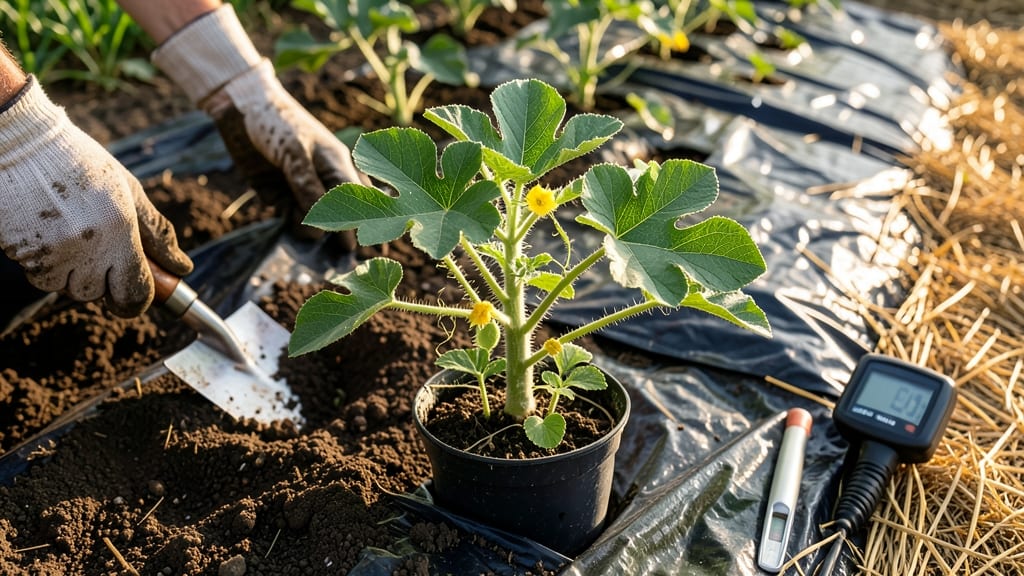
When is the best time to plant watermelon in Florida? The answer isn’t just about picking a month—it’s about waiting for the soil to hit that sweet spot of 70°F or warmer for explosive germination. Skip the guesswork, and you’ll avoid slow starts or seeds that never sprout, even with the best intentions.
Most gardeners in Florida’s 8a-11 zones rush to plant too early, only to watch their seeds languish in cool soil. The secret? Timing your watermelon seeds to align with Florida’s natural soil warming—usually mid-February to early May for spring or late July to early September for fall.
But here’s the twist: your exact dates depend on whether you’re in the Panhandle, Orlando, or Miami.
I’ve tested this for years, and the difference between a thriving vine and a failed crop often comes down to one simple factor: soil temperature.
Once you master this, you’ll know exactly when to drop those seeds for the fastest, most reliable harvests—no more waiting months for fruit or dealing with wilting vines in the heat.
Ready to turn your Florida garden into a watermelon powerhouse? Let’s break down the exact soil triggers, variety picks, and pro tips to guarantee success—no more wasted seeds or empty patches in your plot.
Florida watermelon planting calendar: exact dates based on soil temperature zones
Florida’s unique climate creates three distinct watermelon-growing zones, each with its own soil temperature triggers and planting deadlines. Unlike northern states, Florida’s USDA zones 8a-11 mean frost is rarely a concern—but soil warmth is everything.
Watermelon seeds need 55°F+ soil to germinate, but 70°F+ ensures fast, reliable sprouting. Let’s break down the best planting windows for your region.
North Florida (Zones 8a-8b) has shorter growing seasons and cooler soils, while South Florida (Zones 10a-11) enjoys year-round warmth. Central Florida (Zones 9a-9b) sits in the middle.
Coastal areas warm up faster than inland spots, so adjust your timeline accordingly. Missed the spring window? Don’t worry—Florida’s fall planting season is just as productive.
Here’s the comparison table for Florida’s three microclimates, showing exact planting dates, soil temperature thresholds, and heatwave contingency plans:
For North Florida gardeners, soil temperatures below 70°F can delay germination by weeks. Use black plastic mulch 2-3 weeks before planting to warm the soil. In Central Florida, coastal areas like Tampa Bay can plant 2-3 weeks earlier than inland Gainesville due to warmer maritime breezes.
South Floridians enjoy the longest growing season—plant in January for summer harvests or September for fall crops.
If a heatwave hits after planting, protect young seedlings with 30% shade cloth until they establish roots. Watermelons thrive in 85-95°F but struggle with consistent 100°F+ temperatures.
In such cases, use drip irrigation to keep roots cool and mulch heavily to retain moisture. Never water leaves during extreme heat—this invites fungal diseases like powdery mildew.
Pro tip: Transplant seedlings instead of direct-sowing if your soil stays below 65°F for more than a week. Start seeds indoors under grow lights and move them outside once soil warms. This buys you 2-3 weeks of flexibility in cooler microclimates like Panhandle regions or Lake County.
Remember, Florida’s fall season is just as productive as spring. Plant heat-tolerant varieties like ‘Crimson Sweet’ or ‘Sugar Baby’ in late July-August for harvests before winter rains.
Avoid planting after September 15 in North Florida—vines won’t mature before first frost risks (though these are rare south of USDA Zone 9a).
Use a soil thermometer to confirm readiness—never guess. Bury it 2 inches deep in the soil and check readings for 3 consecutive days before planting. If your soil is below 60°F, wait or use row covers to accelerate warming. Patience here prevents failed crops.
For coastal gardeners, salt spray can stress watermelon vines. Use drip irrigation instead of overhead watering and raise beds slightly to improve drainage.
Inland areas may face drought stress—mulch with straw or grass clippings to lock in moisture. Adjust your watering schedule based on rainfall: 1 inch per week is ideal during fruiting.
Now that you’ve got the perfect timing, your next step is choosing the right watermelon varieties for your Florida microclimate. Some handle heat better than others—stay tuned for our next section on heat-tolerant picks that thrive in Florida’s intense summers. 🌱
How to test soil temperature for watermelon success (and Fix common mistakes)
Watermelons are finicky about soil warmth, and Florida’s unpredictable spring weather can leave you guessing. Unlike frost-sensitive crops, watermelons need consistent heat to germinate—55°F+ is the minimum, but 70°F+ speeds up sprouting.
Without testing, you might plant too early and risk rot or too late and miss the harvest window. A simple soil thermometer check saves time, seeds, and frustration.
Many gardeners rely on last frost dates, but watermelons don’t care about frost—they care about soil temperature. In Florida, this means ignoring calendar dates and focusing on actual ground heat.
For example, North Florida’s soil may still be chilly in March, while South Florida’s can be too hot for seeds in April. The key is balancing warmth with humidity to avoid seed rot.
⚠️ callout warning
✅ Fix: Use black plastic mulch 1-2 weeks before planting to warm soil. For late starts, try row covers to trap heat during the day.
To test soil temperature, use a digital soil thermometer (not a meat thermometer—they’re inaccurate). Insert the probe 2 inches deep in your garden bed, where seeds will sit. Check readings mid-morning after the sun has warmed the soil.
Aim for 70°F+ for 5+ days before planting. If temps fluctuate, wait—watermelon seeds won’t germinate in cold pockets even if the air is warm.
Florida’s heat can also backfire: soil temps above 95°F slow germination. If your thermometer hits 90°F+, plant in partial shade or wait for evening cooling.
For fall plantings, monitor soil temps after Labor Day—they can drop unexpectedly, especially near water bodies. A 5-day average of 70°F+ is your green light.
If your soil is too cold, try these fixes: Lay down black plastic mulch 2 weeks before planting to raise temps by 5-10°F. For raised beds, use straw or compost to insulate.
In North Florida, combine mulch with a low tunnel to trap heat. Always test again after 3-5 days to confirm progress. Patience here means faster germination and bigger yields.
Remember, watermelons thrive on consistency. Once planted, maintain moist but not soggy soil and watch for vines in 7-10 days if temps are ideal. If you’re still waiting after 14 days, your soil may need more warmth—or your seeds might be old.
Store-bought seeds lose viability after 2 years, so check the packet! 🌱