
Vegetables
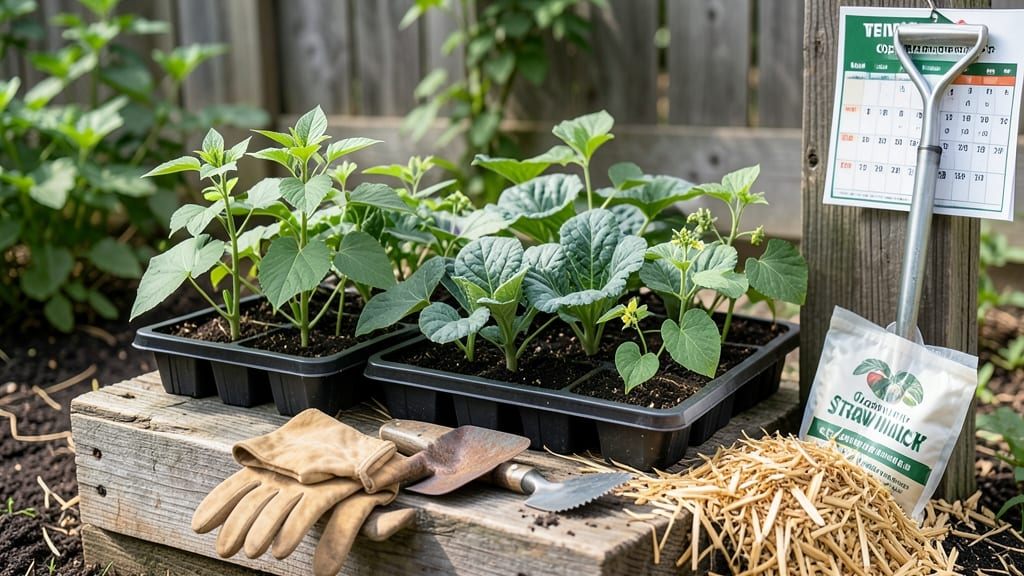
Planting vegetables in Texas isn’t just about grabbing seeds and sticking them in the dirt—it’s about timing everything perfectly to beat the heat and avoid frost. With USDA zones 8a-10b and unpredictable weather, getting it wrong can mean wasted effort or stunted crops.
The key? Knowing exactly when to plant for your specific region—whether you're in North Texas, Central Texas, or the Gulf Coast.
I’ve spent years growing vegetables in Texas, and the difference between a thriving garden and a struggling one often comes down to one simple factor: the calendar.
Cool-season veggies like lettuce and broccoli need to go in the ground 4-6 weeks before the last frost, while heat-lovers like tomatoes and peppers should wait until 2-3 weeks after the frost danger has passed. But with Texas’ varied climate, those windows shift dramatically from North to South.
In this guide, I’ll break down the best planting months for your Texas heat zone, so you can avoid common mistakes like planting too early and risking frost damage—or too late and watching your seedlings wilt in the summer sun.
Whether you’re a beginner or a seasoned gardener, these insights will help you plan for a bountiful harvest all year round.
Ready to stop guessing and start growing? Let’s dive into the exact planting schedule that works for Texas—no more wasted seeds, no more missed opportunities. Your garden (and your dinner table) will thank you!
Texas heat-zone planting calendar: frost dates by region
Texas' vast geography means your last frost dates can vary by hundreds of miles, making a one-size-fits-all planting guide impossible. The Lone Star State spans USDA zones 7a to 10b, with heat zones A through F dictating when to sow seeds and transplant seedlings.
Understanding these zones helps you avoid frost damage in North Texas while preventing heat stress in South Texas.
Each zone has distinct average frost dates, but microclimates—like urban heat islands or sheltered valleys—can shift your planting window by 2-4 weeks. For example, El Paso (Zone 8a) might see its last frost by February 15, while Houston (Zone 9a) rarely experiences frost after January 15.
Knowing your exact last frost date ensures you plant cool-season crops like broccoli and warm-season crops like tomatoes at the perfect time.
🌱 Pro Tip: Use the Texas A&M AgriLife Extension map or a soil thermometer to confirm your local frost dates. Even a 5-degree difference can mean the difference between a thriving garden and a lost crop.
For cool-season vegetables like lettuce, spinach, and peas, aim to plant 4-6 weeks before your last frost date. These crops thrive in 50-70°F soil and can tolerate light frosts. In Zone A (Dallas), that means starting seeds indoors by February 1 or sowing directly by February 15.
In Zone D (Houston), you can plant cool-season crops as early as November 15 for a winter harvest.
Warm-season crops—such as tomatoes, peppers, and squash—need soil temperatures above 60°F to germinate. Plant these 2-3 weeks after your last frost. In Zone B (Austin), that’s typically by March 15, while Zone E (Brownsville) gardeners can start as early as January 15.
Always use a soil thermometer to confirm readiness, as early springs can bring unexpected warmth.
Texas' first frost dates also vary widely. North Texas (Zone A) may see frost as early as November 15, while South Texas (Zone E) rarely experiences frost before December 15.
Use these dates to plan your fall planting and winter crops, such as kale and carrots, for a second harvest before the cold sets in.
Microclimates can drastically alter your planting schedule. For instance,
Best vegetables to plant by month in Texas: a month-by-month guide
Texas' long growing season means you can plant vegetables almost year-round, but knowing the best months for each crop maximizes your harvest. Cool-season veggies thrive in early spring and fall, while heat-lovers like tomatoes and peppers need warm soil to thrive.
Let’s break it down by month to keep your garden productive from February through November.
Start with cool-season crops in late winter, then transition to warm-season plants as temperatures rise. In Texas, this shift typically happens around March to April, but exact timing depends on your heat zone (A-F).
For example, North Texas gardeners can plant earlier than those in South Texas, where mild winters allow for year-round growth.
- February: Onions, garlic, spinach, and carrots (cool-season staples). Start peppers indoors for transplanting later.
- March: Lettuce, kale, broccoli, and cabbage (plant before last frost). Begin hardening off tomato and eggplant seedlings.
- April: Sweet potatoes, okra, and squash (heat-tolerant varieties). Plant beans and peas for summer harvests.
- May: Tomatoes, peppers, and cucumbers (wait until soil is 70°F+). Succession plant lettuce for fall harvests.
- June-July: Sweet corn, green beans, and watermelons (peak summer crops). Use shade cloth for delicate greens.
- August: Sweet potatoes, collard greens, and turnips (fall planting begins). Start broccoli and cauliflower seedlings.
- September-October: Kale, spinach, and radishes (cool-season crops for winter harvests). Plant onions for next year.
For succession planting, sow lettuce or beans every 2-3 weeks to ensure a continuous harvest. In South Texas (Zones 9-10), you can plant tomatoes and peppers as early as February and extend harvests into December with shade and mulch.
In North Texas (Zones 7-8), protect early spring plantings with row covers to avoid late frosts. Always check soil temperature—warm-season crops like peppers need soil at 70°F+ to germinate. Use a soil thermometer for accuracy.
Extend your growing season with seasonal planning. Plant fast-maturing crops like radishes (30 days) or bush beans (50 days) in early spring and late summer. For longer harvests, interplant lettuce with tomatoes—the tomatoes provide shade as the lettuce matures.
Don’t forget perennials like asparagus or rhubarb, which thrive in Texas’ mild winters. Plant them in fall for roots to establish before spring growth. With this month-by-month guide, you’ll enjoy fresh veggies from spring through fall—and maybe even winter! 🌿