
Plants
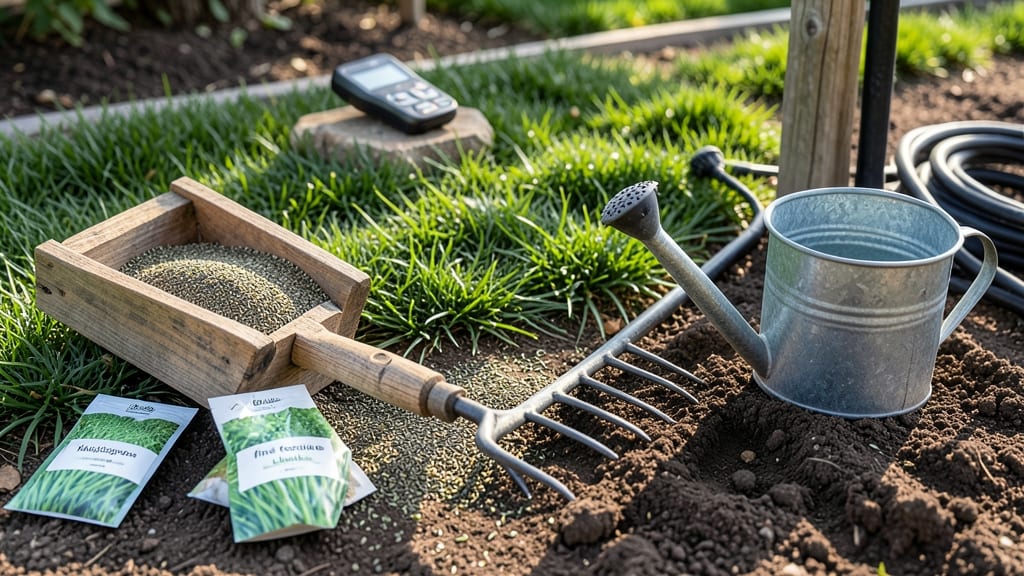
Planting grass seed at the wrong time in Utah can mean weeks of frustration watching your lawn stay patchy or fail entirely—especially when high desert and mountain zones behave so differently.
The best window depends on where you live, but getting it right means the difference between a lush green lawn and a second chance next year.
Most Utah gardeners assume spring is the only option, but fall planting actually gives your 🌱 grass seed a head start by avoiding summer heat stress.
Whether you're in Zone 5 near the Wasatch Front or Zone 8 in St. George, timing matters more than you think—and I’ll break down exactly when to plant for your specific elevation.
You’ll discover how to read your local frost dates, soil temperatures, and rainfall patterns to pick the perfect 30-day window for planting.
Plus, I’ll share pro tips for preparing Utah’s rocky soil and keeping your new grass hydrated through the critical first weeks—because even the right timing won’t help if you skip these steps.
Let’s cut through the guesswork so you can finally stop second-guessing and start planting with confidence—no matter whether you’re a first-timer or a seasoned Utah gardener.
Optimal Utah grass seed planting times by elevation: spring vs fall breakdown
Utah’s dramatic elevation changes—from desert lowlands to alpine slopes—create wildly different conditions for grass seed success. In lowland areas (4,000-6,000 ft), like St. George or Cedar City, spring planting offers the best window, while midland (6,000-8,000 ft) zones like Salt Lake City thrive with fall planting.
At high elevations (8,000+ ft), like Park City or Moab’s plateaus, timing shifts dramatically due to shorter growing seasons. Let’s break down the ideal windows for each zone.
The key to Utah grass seed success lies in soil temperature thresholds. For spring planting, aim for consistent daytime temps above 60°F—typically mid-March to early May in lowlands. In fall, target soil temps between 50-70°F and plant 6-8 weeks before first frost, usually late August to early October.
High-elevation areas may need adjustments of 2-4 weeks earlier due to colder microclimates.
Here’s how Utah’s three elevation zones stack up for spring vs. fall planting, including critical soil temperature windows and frost risks:
For lowland areas, spring planting avoids summer drought stress, but you’ll need to water deeply 2x weekly until establishment. Fall planting here risks early freezes, so choose drought-tolerant varieties like Buffalo grass or Blue grama.
In midland zones, fall is ideal because cooler temps reduce seed desiccation and weeds compete less aggressively.
High-elevation plantings require earlier adjustments. At 9,000+ ft, like in Ogden or Park City, spring planting should start by May 1st to avoid late-spring frosts. Fall plantings must finish by August 15th to allow 6-8 weeks of root growth before snow.
Use warm-season grasses like Tall fescue or Kentucky bluegrass for these zones—they handle Utah’s cold nights and hot days better.
One critical factor often overlooked is microclimate wind exposure. Utah’s desert winds can dry out newly planted seeds in 24 hours. If your yard is windy, plant during overcast days or use a light straw mulch to retain moisture.
For high-elevation areas, snowmelt irrigation in spring can provide natural watering until roots establish.
Timing isn’t just about the calendar—it’s about soil moisture. Test your soil’s moisture 2 inches deep before planting. If it’s dryer than a sponge, delay planting until after a 1-inch rainfall or irrigate thoroughly 48 hours beforehand.
Utah’s clay-heavy soils in lowlands benefit from gypsum amendments to improve water infiltration, while sandy soils at high elevations need organic matter to retain moisture.
Finally, grass seed variety matters. Cool-season grasses like Tall fescue and Perennial ryegrass thrive in Utah’s fall planting windows, while warm-season grasses such as Bermuda grass need the consistent heat of spring.
For mixed elevation yards, consider blend varieties designed for Utah’s USDA Zones 5-8—they’re formulated to handle temperature swings.
Remember: Spring planting gives you a head start on summer growth, but fall planting often yields 20-30% stronger roots before winter. Choose based on your elevation, then stick to the soil temp rules—they’re your best guarantee for a lush Utah lawn. 🌱
5 Critical factors that determine your perfect planting window in Utah
Timing your grass seed planting in Utah isn’t just about avoiding frost—it’s about understanding 5 critical factors that separate a thriving lawn from a patchy disappointment. Beyond elevation, soil moisture levels, rainfall patterns, and grass seed variety play equally important roles.
Let’s break down what truly matters for your Utah yard.
First, soil moisture is your secret weapon. Utah’s arid climate means dry soil can kill seeds before they sprout. Test your soil’s moisture by squeezing a handful—if it crumbles, it’s too dry.
Aim for planting when natural rainfall averages 1 inch per week or supplement with irrigation. This is especially true in lowland Utah where evaporation rates are highest.
Rainfall patterns shift dramatically between Utah’s regions. The Wasatch Front sees 10-12 inches of rain annually, while high desert areas like Moab get just 6-8 inches. Check your local USDA climate data—if your area’s September-October rainfall is unreliable, spring planting might be safer. I once planted in late fall near St. George and lost 40% of my seed to drought.
- 🌡️ Soil Temperature: Plant when soil stays above 55°F (13°C) for 7+ days (spring) or 60°F (16°C) in fall. Use a soil thermometer—don’t guess!
- 💧 Moisture Availability: Aim for 1 inch of water per week (rain + irrigation). Dry spells after planting = failed germination.
- ❄️ Frost Dates: Spring plant 2-3 weeks after last frost (April 15 avg.). Fall plant 6-8 weeks before first frost (Oct 15 avg.). Check local frost maps—they vary wildly!
- 🌧️ Rainfall Reliability: High desert areas need supplemental watering in fall. Wasatch Front can rely more on natural rain.
- 🌾 Grass Seed Variety: Cool-season grasses (Kentucky Bluegrass, Fescue) thrive in Utah’s fall spring. Warm-season (Bermuda) needs summer planting—rarely successful here.
Don’t overlook grass seed variety—it’s the final piece of the puzzle. Cool-season grasses like Kentucky Bluegrass and Tall Fescue dominate Utah lawns because they handle our hot summers and cold winters.
If you’re planting in high-elevation areas (7,000+ ft), opt for Fine Fescue, which tolerates cooler soils. I planted Bermuda grass once in Salt Lake City—it browned by July!
Frost dates are your non-negotiable deadline. Spring planting should happen 2-3 weeks after your last frost (typically mid-April in lowlands, early May in mountains). For fall, aim to finish 6-8 weeks before first frost (early October in valleys, September in high country). Pro tip: Use frost-free date calculators like the Old Farmer’s Almanac—they’re region-specific.
Finally, watering consistency trumps timing. Even with perfect planting windows, uneven moisture causes seeds to wash away or dry out. After sowing, keep soil consistently moist (not soggy) for 3-4 weeks.
I’ve seen lawns fail because homeowners overwatered initially then stopped. Use a sprinkler timer set to light daily watering for the first 2 weeks.
Master these 5 factors, and your Utah lawn will establish strong roots—whether you plant in spring’s warmth or fall’s cooler temps. The key? Know your microclimate and adjust accordingly. Happy planting! 🌱💧