
Plants
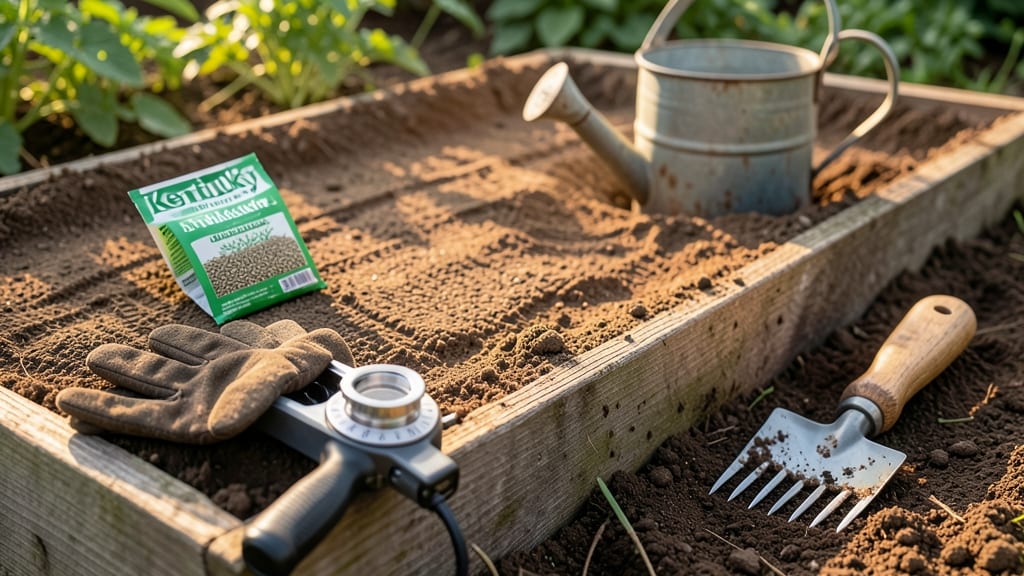
When is a good time to plant grass seed in the spring? Timing your spring grass seed planting wrong could mean patchy lawns and wasted effort—so when exactly is the best moment to get that 🌱 growing? The answer depends on soil warmth, rainfall, and your local climate, but here’s the key: aim for 4-6 weeks before your last frost when temperatures hit 50-65°F.
Early spring planting (March-April) works for cool-season grasses like fescue, while warm-season varieties like Bermuda prefer late spring (May-June). The trick is balancing soil readiness with avoiding late frosts that can stall germination.
I’ll walk you through the perfect window for your zone and how to prep your soil for success.
Most gardeners rush planting too soon, only to deal with slow growth or seed washout. Instead, wait for consistent soil moisture and stable temperatures—these are your green lights. Let’s break down the science so you can plant with confidence and skip the guesswork.
Ready to transform your lawn? You’ll learn how to check soil conditions, choose the right seed type, and spot the 3 red flags that mean you’re planting too early. Let’s get your grass off to the best possible start!
Ideal soil temperature & weather conditions for spring grass seed planting
Getting your spring grass seed planting timing right means understanding two critical factors: soil temperature and weather patterns. Grass seeds need warmth to germinate but can't handle extreme heat or drought.
The sweet spot? Soil temperatures between 50°F and 65°F—this range ensures seeds sprout consistently without stressing young roots. Cooler soils slow germination, while warmer soils can dry out seeds too quickly.
Most cool-season grasses like Kentucky bluegrass and tall fescue thrive when planted in early spring, typically 4-6 weeks before your last expected frost date. This timing gives seedlings time to establish roots before summer heat arrives.
Meanwhile, warm-season grasses such as Bermuda and Zoysia prefer late spring planting, when soil temperatures consistently stay above 65°F. Regional differences matter too—Northern climates may need to wait until late April or May, while Southern areas can start as early as March.
| Region | Ideal Planting Window | Soil Temp Range | Rainfall Needs |
|---|---|---|---|
| Northern US (Zones 3-5) | Late April - Early June | 50-60°F | 0.5-1 inch/week |
| Midwest US (Zones 6-7) | Early April - Mid-May | 55-65°F | 0.75-1.25 inch/week |
| Southern US (Zones 8-10) | Mid-March - Early April | 60-68°F | 0.5-1.5 inch/week |
| All Regions (Warm-Season Grasses) | Late May - June | 70-80°F | 1-1.5 inch/week |
Rainfall plays a critical role in germination success. Grass seeds need consistent moisture to activate enzymes that break down seed coatings and kickstart root growth. Aim for 0.5 to 1.5 inches of rainfall per week, depending on your region.
If natural rainfall falls short, supplement with gentle watering—avoid heavy sprinklers that can dislodge seeds. Early morning watering is ideal to reduce evaporation and fungal risks. Too little rain leads to dry, crusty soil that smothers seeds, while too much can cause seed rot or erosion.
Another key factor is humidity and wind conditions. High winds can blow seeds away before they germinate, while low humidity can dry out newly sprouted seedlings. Check your local 7-day forecast for calm conditions and moderate humidity levels (40-60% is ideal).
If your area experiences frequent spring storms, consider planting after the rainy season peaks but before summer droughts set in. For example, in Zone 5, late April to early May often strikes the perfect balance between soil warmth and stable weather patterns.
To test your soil temperature accurately, use a soil thermometer inserted 2-3 inches deep. If readings consistently stay below 50°F, wait a few more weeks—rushing planting can lead to poor germination rates. Conversely, if temperatures exceed 70°F, seeds may dry out too quickly.
In Southern climates, early spring planting (March) works well for warm-season grasses, while Northern regions should hold off until late April or May to avoid frost damage. Always align your planting with your specific grass type's optimal temperature range.
Don't overlook the importance of weed competition during this window. Weeds thrive in disturbed soil, so time your planting to coincide with the dormant or early growth phase of common lawn weeds like crabgrass.
Pre-emergent herbicides can help suppress weeds, but apply them 2-3 weeks before planting to avoid harming your grass seeds. For organic options, use a thick layer of straw mulch after seeding to block light from weed seeds while retaining moisture for your grass.
One common mistake is planting too early when soil is still cold and wet. This creates anaerobic conditions that prevent seeds from absorbing oxygen, leading to poor germination. Conversely, planting too late in spring risks exposing seedlings to summer heat stress or drought.
The best approach? Monitor your local USDA Plant Hardiness Zone and adjust timing accordingly. For example, Zone 8 gardeners can plant as early as February, while Zone 4 may need to wait until June for warm-season grasses.
Pro tip: Use a seed germination calculator or consult your local Cooperative Extension Service for hyper-local advice. They provide frost date averages and soil temperature trends specific to your county.
For instance, in Texas, early March is prime time for Bermuda grass, while Minnesota gardeners should wait until late May. By aligning your planting with these science-backed guidelines, you'll maximize your chances of a thick, vibrant lawn that stays healthy all season long.
Finally, remember that soil preparation matters just
Spring planting timeline by grass type: cool-season vs. warm-season grasses
Choosing the right time to plant grass seed in spring depends entirely on whether you're growing cool-season or warm-season grasses. Planting at the wrong time can mean slow germination, weak roots, or even total failure—so let's break down the perfect windows for each type.
For cool-season grasses like Kentucky bluegrass and fescue, the ideal window opens 4-6 weeks before your last frost date. This gives seedlings time to establish before summer heat arrives.
Meanwhile, warm-season grasses like Bermuda and Zoysia prefer waiting until soil temperatures hit 65°F or higher, typically in late spring.
⚠️ Pro Tip: Use a soil thermometer to check temperatures—cool-season grasses thrive at 50-65°F, while warm-season varieties need 75-85°F for optimal growth. Skipping this step can cost you months of patchy lawn frustration.
| Grass Type | Best Planting Window | Soil Temp Requirement | Frost Risk |
|---|---|---|---|
| Kentucky Bluegrass | Early to mid-spring (4-6 weeks before last frost) | 50-65°F | High (avoid frost exposure) |
| Tall Fescue | Early spring or late summer | 50-65°F | Moderate (tolerates light frost) |
| Bermuda Grass | Late spring (after last frost, soil 75°F+) | 75-85°F | None (heat-loving) |
| Zoysia Grass | Late spring to early summer (soil 70°F+) | 70-80°F | None (drought-tolerant) |
If you're in a northern climate with unpredictable frosts, stick to early spring planting for cool-season grasses. For southern regions, late spring planting works better for warm-season varieties, but avoid planting too late—Bermuda grass, for example, needs 6-8 weeks to establish before summer heat peaks.
One common mistake I see is planting cool-season grasses too late in spring. If you miss the window, consider overseeding in early fall instead. For warm-season grasses, rushing the process by planting too early can lead to seed rot—always wait for consistent warm soil temperatures.
Remember: The key to success is soil temperature, not just calendar dates. Check local weather patterns and adjust your timeline accordingly. With the right timing, you'll see uniform germination and a lawn that thrives all season long. 🌱