
Plants
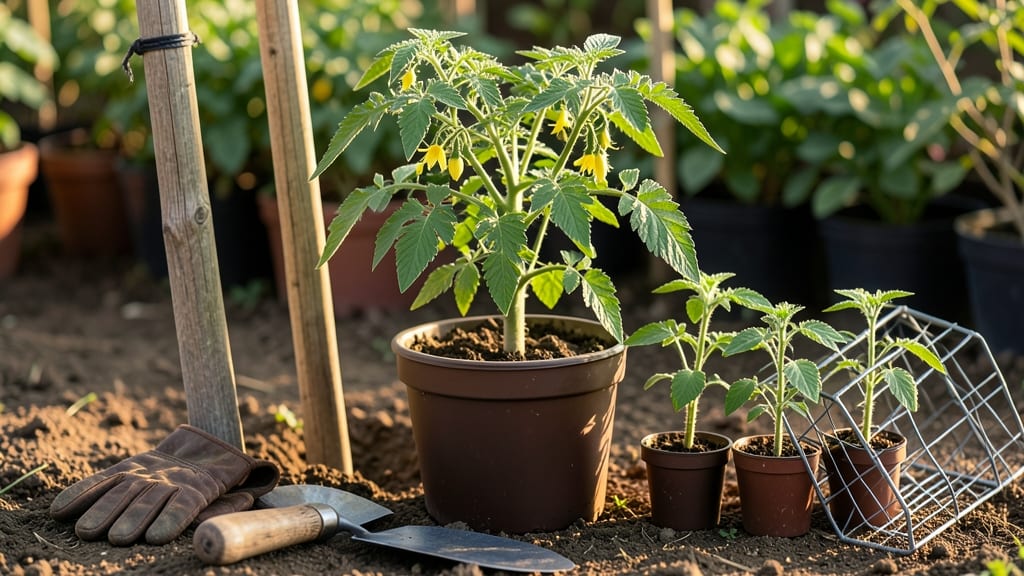
Planting tomatoes in New Jersey at the wrong time can turn your garden dreams into a frost-burned disappointment—so getting those 🍅 seeds in the ground at the perfect moment is everything.
If you’ve ever watched your tomato plants wilt overnight after a surprise frost, you know how critical timing is. New Jersey’s 6a-7b climate gives us a narrow window between mid-April and early June to plant tomatoes after the last frost, but even that varies by county.
The difference between a thriving vine and a sad, stunted plant often comes down to knowing exactly when to start seeds indoors or transplant seedlings outdoors.
I’ve learned the hard way that rushing too early or waiting too late can mean the difference between a bountiful harvest and a season of frustration.
Whether you’re a first-time gardener or a seasoned pro, this guide will help you pinpoint the best planting window for your specific New Jersey location—and how to adjust for those tricky microclimates that make our state so unique.
From soil temperature tricks to choosing the right varieties for your county, I’ll walk you through everything you need to know to grow tomatoes that burst with flavor. Let’s get those plants in the ground at the perfect moment!
NJ last-frost dates by county: the exact window for planting tomatoes
New Jersey’s last-frost dates vary dramatically from north to south, and getting them wrong can turn your tomato dreams into frost-burned disappointment. Whether you're in Bergen County or Cape May, knowing your exact window ensures your plants thrive—not just survive.
I’ve broken down the averages, plus how to adjust for microclimates and unpredictable NJ weather.
Tomatoes are heat-loving annuals that need warm soil (60°F+) and consistent temperatures above 50°F at night. Planting too early risks frost damage, while waiting too long cuts your harvest short.
The key? Start seeds indoors 6-8 weeks before your county’s last frost, then transplant 2-3 weeks later for a head start.
Pro Tip: Use black plastic mulch or row covers to warm soil faster and protect seedlings. This can shave 1-2 weeks off your planting window—critical in NJ’s variable spring.
| County | Avg. Last Frost | Safe Planting Window | Indoor Seed Start | Microclimate Notes |
|---|---|---|---|---|
| Bergen | April 25–May 5 | May 10–20 | March 15–April 5 | Urban areas: 1–2 weeks later. Coastal: 3–5 days earlier. |
| Essex | April 20–May 2 | May 5–15 | March 10–March 30 | Northern valleys: 3–7 days later. Lakeside: 1 week earlier. |
| Morris | April 22–May 3 | May 8–18 | March 12–April 2 | Higher elevations: 5–7 days later. River valleys: 3 days earlier. |
| Hunterdon | April 23–May 4 | May 9–20 | March 14–April 4 | Rural areas: 1 week earlier. Urban: 1 week later. |
| Middlesex | April 18–April 28 | May 3–13 | March 8–March 28 | Coastal plains: 5–7 days earlier. Inland: 3–5 days later. |
| Mercer | April 15–April 25 | April 30–May 10 | March 5–March 25 | Urban heat islands: 1 week earlier. Wetlands: 1 week later. |
| Burlington | April 12–April 22 | April 25–May 5 | February 28–March 20 | Coastal: 7–10 days earlier. Inland: 5 days later. |
| Ocean | April 5–April 15 | April 20–May 2 | February 20–March 10 | Barrier islands: 10–14 days earlier. Pine barrens: 3–5 days later. |
| Cape May | March 25–April 5 | April 10–April 20 | February 10–February 28 | Coastal: 10–14 days earlier. Inland: 5 days later. |
If you’re in northern NJ (Bergen, Essex, Morris), wait until mid-May to transplant seedlings—frost can linger until early May. Meanwhile, southern counties (Cape May, Ocean) can
How to extend your tomato growing season in NJ without risking frost
New Jersey’s unpredictable spring weather can leave gardeners scrambling when a late frost threatens tender tomato seedlings. The key to success? Smart season extension using proven techniques that protect your plants while maximizing your harvest.
Whether you’re dealing with cold snaps in April or early autumn chills, these methods will help you push your tomato season to its limits.
I’ve tested row covers, cold frames, and even mini greenhouses in my own garden, and the results speak for themselves: 2-3 extra weeks of growing time without risking frost damage.
The trick is layering protection with proper timing—planting early varieties under cover or using heat-loving mulches to warm the soil faster. Let’s break down the best strategies tailored for NJ’s USDA Zones 6a-7b.
While average last-frost dates for NJ range from mid-April in the north to early April in the south, a single cold snap can push frost risks 2-3 weeks later. Always check the NJ State Climatologist’s 10-day forecast before planting outdoors. For high-risk areas like Sussex or Morris counties, delay planting until May 1 unless you’re using season extension tools.
For early-season starts, row covers are my go-to tool. Made from lightweight fabric, these covers trap heat and shield seedlings from light frosts down to 28°F. I recommend using them over transplanted seedlings in late April, removing them on warm days to prevent overheating.
Pair row covers with black plastic mulch to warm the soil 5-10°F faster—this combo lets me plant 3-4 weeks earlier than the average last-frost date.
A cold frame is another game-changer for extending the season at both ends. These low, glass-enclosed boxes create a microclimate that stays 10-15°F warmer than outside temps. I use mine to start seedlings indoors in March and protect late-season tomatoes in October.
For best results, place your cold frame on south-facing soil and vent it daily to prevent overheating. Dwarf tomato varieties like ‘Tiny Tim’ thrive in cold frames, producing fruit even when outdoor temps dip to 32°F.
If you’re serious about year-round tomato growing, a small greenhouse or even a hoop house can add 4-5 months to your season. My 6’x8’ greenhouse lets me grow tomatoes from late March to November, with cherry varieties producing continuously.
The secret? Proper ventilation—use shade cloth in summer to block excessive heat and auxiliary heaters for nights below 40°F. Even a DIY hoop house with clear plastic sheeting can add 2-3 weeks to your fall harvest.
Don’t overlook soil warming tricks like black plastic mulch or straw bales. These methods raise soil temps by 10-15°F, helping roots establish faster and reducing frost sensitivity. I also swear by planting in raised beds, which warm up 2-3 days earlier than in-ground soil.
Combine this with early-maturing varieties like ‘Early Girl’ or ‘Stupice’ to ensure a harvest before the first frost.
Monitoring NJ’s weather patterns is half the battle. Sign up for local alerts from the National Weather Service and use a soil thermometer to track temps—tomatoes need soil at 60°F+ to thrive.
With the right tools and timing, you can turn NJ’s short growing season into a tomato lover’s paradise. 🌱