
Flowers
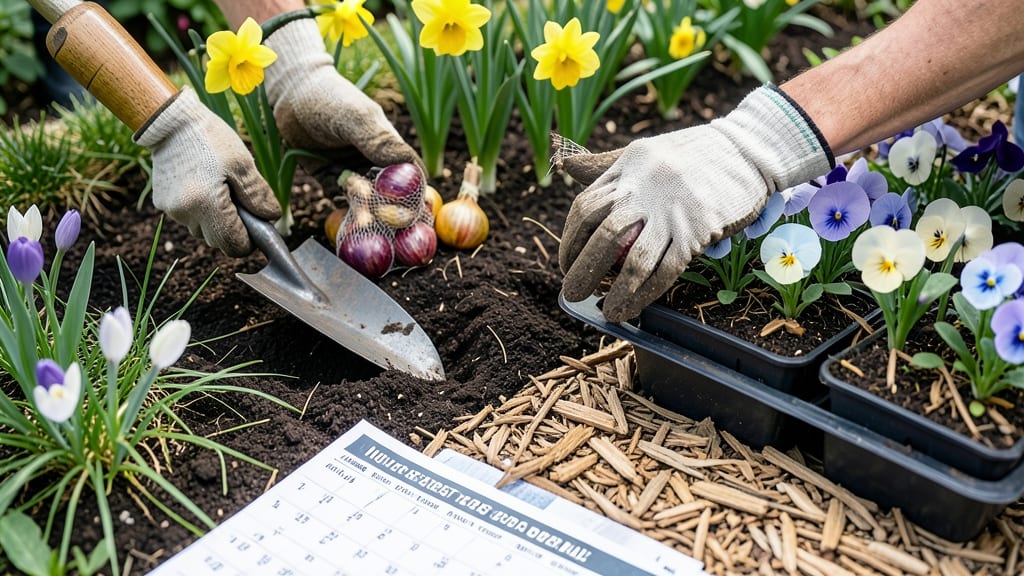
Planting flowers in New Jersey at the wrong time can leave your garden looking sad and sparse—especially when frost sneaks in earlier than expected. The key to vibrant blooms lies in understanding your zone and timing those first shovels just right.
With USDA zones 6b-7a across the state, last frost dates vary from late April in the south to early May up north. That means your spring planting window is tight, and getting it perfect makes all the difference for annuals like petunias or perennials like daylilies.
But here's the game-changer: some flowers actually thrive when planted in fall, giving them a head start before winter. I'll walk you through the exact months to plant, which varieties work best, and how to prep your soil for zero frost surprises.
Whether you're a first-time gardener or a seasoned pro, these tips will help you avoid common mistakes and create a garden that bursts with color from summer through fall.
New Jersey planting zones: when to plant flowers by last frost dates
New Jersey spans USDA hardiness zones 6b through 7a, which means your last spring frost typically arrives between April 15 and May 15, depending on your exact location.
In my experience gardening in Central NJ (zone 6b), I've learned that timing is everything—plant too early and frost will kill tender seedlings, too late and you miss peak bloom seasons. The key is understanding your microclimate and adjusting planting dates accordingly.
For annual flowers, most gardeners in NJ wait until after the last frost date to plant warm-season varieties like petunias, marigolds, and zinnias. However, cool-season annuals such as pansies and snapdragons can handle light frosts and often thrive when planted in early spring or late summer.
Perennials and bulbs have their own ideal windows, which we'll explore in detail below.
Here's the critical planting timeline for NJ based on average last frost dates by zone:
| Zone | Avg. Last Frost | Annuals Planting Window | Perennials Planting | Bulbs Planting |
|---|---|---|---|---|
| 6b (N. NJ) | April 15-May 1 | May 15-June 1 | April 1-May 15 | Oct 1-Nov 15 |
| 7a (S. NJ) | April 1-May 15 | April 20-May 31 | March 15-April 30 | Sep 15-Oct 31 |
| Microclimates (Urban/Coastal) | April 1-May 1 (earlier) | April 10-May 15 | March 1-April 15 | Sep 1-Oct 15 |
*Adjust dates 1-2 weeks earlier for coastal areas (warmer microclimates) and 1-2 weeks later for inland valleys.
In Northern NJ (zone 6b), where I garden, I always wait until after May 15 to plant tender annuals like geraniums and impatiens. The soil temperature needs to reach at least 60°F (15°C) for most warm-season flowers to thrive.
For perennials, I start dividing and transplanting in early spring as soon as the ground is workable, usually by mid-April.
One common mistake I see is planting bulbs too late in fall. While tulips and daffodils can handle New Jersey's cold winters, they need 6-8 weeks of chilling before the ground freezes.
That's why I plant them between October 1 and November 15—any later and they may not bloom as vigorously. For Southern NJ (zone 7a), you can push bulb planting to late October without risk.
Microclimates play a huge role in NJ gardening. If you live near coastal areas like Cape May or Atlantic City, your last frost date may come 2-3 weeks earlier than inland zones.
I've noticed my petunias thrive 3 weeks earlier in my southeast-facing garden compared to my north-facing shade garden. Always observe your own local frost patterns for at least 3 years to refine your planting schedule.
For fall planting, I recommend starting cool-season annuals like pansies and calendulas in late August for a September-October bloom. Perennials like asters and chrysanthemums can be planted until mid-October in most of NJ.
The secret is choosing hardy varieties that can withstand light frosts—my Russian sage has survived 28°F (-2°C) winters with no protection.
To extend your planting season, consider using row covers or cold frames for early spring plantings. I've successfully planted marigolds in early April under a floating row cover and had them blooming by Mother's Day.
Always remove covers during the day to prevent heat stress and water thoroughly before covering to avoid condensation buildup.
Remember that <
Best flower types for NJ seasons: spring vs fall planting guide
New Jersey's USDA zones 6b-7a create a unique gardening challenge where timing is everything. Spring and fall offer perfect windows for planting flowers, but each season demands different flower varieties and care strategies to ensure vibrant blooms.
Whether you're planting annuals for instant color or perennials for long-term beauty, understanding these seasonal differences will transform your garden into a year-round showstopper.
Spring planting in NJ typically begins after the last average frost date—usually mid-April to early May—while fall planting should wrap up by late September to early October. This timing allows roots to establish before winter dormancy.
For annuals like petunias and marigolds, spring planting ensures summer-long blooms, while fall-planted bulbs like tulips will reward you with early spring color. Let's break down the best flower types for each season and their ideal planting windows.
🌱 NJ Seasonal Planting Timeline
- Early Spring (March-April): Plant hardy bulbs (daffodils, crocuses) and cool-season perennials (coneflowers, black-eyed Susans).
- Late Spring (May-June): Ideal for annuals (petunias, marigolds, zinnias) and warm-season perennials (bee balm, daylilies).
- Early Fall (September): Best time for fall-blooming bulbs (tulips, hyacinths) and cool-season annuals (pansies, snapdragons).
- Late Fall (October): Plant spring-blooming bulbs (tulips, daffodils) and winter-hardy perennials (lavender, sedum).
For spring planting, I recommend starting with annuals like petunias and marigolds, which thrive in NJ's warm summers. These flowers love full sun (6+ hours daily) and well-draining soil.
Plant them after the last frost, typically in late May to early June, for continuous blooms through fall. Perennials like coneflowers and black-eyed Susans are also perfect for spring planting—they establish strong root systems and return year after year with minimal care.
Fall planting offers a different set of garden superstars. Bulbs like tulips and daffodils should be planted in October to ensure they bloom early next spring. These hardy plants tolerate NJ's winter chill and reward you with vibrant spring color.
Additionally, cool-season annuals like pansies and snapdragons thrive when planted in September, providing cheerful blooms through winter and into early spring.
Don't overlook perennials for fall planting, such as lavender and sedum, which establish roots before winter and burst into bloom in spring. These plants are drought-tolerant and low-maintenance, making them ideal for NJ gardeners.
To maximize success, always amend your soil with compost before planting and water deeply after installation to encourage root growth.
Pro tip: Use mulch around your new plantings to retain moisture and insulate roots during temperature swings. This simple step can double your success rate in NJ's unpredictable climate.
Whether you're planting for spring color or fall beauty, these seasonal strategies will help you create a stunning, low-stress garden that thrives year-round.