
Plants
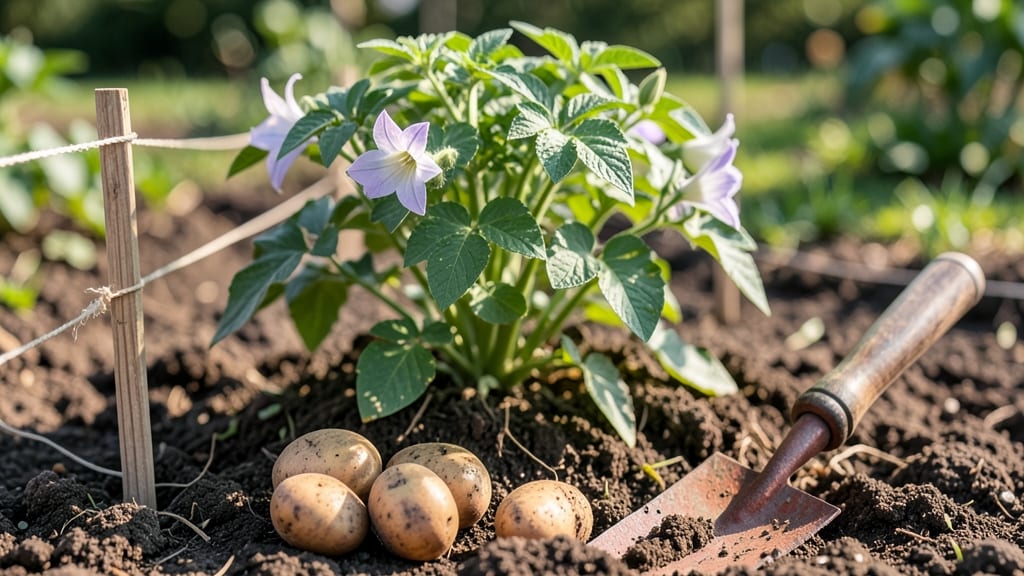
Planting potatoes in North Carolina at the wrong time can mean the difference between a bountiful harvest and a total loss to frost. With the state's diverse zones—from the cooler mountains to the milder coast—timing your 🥔 planting just right is the key to success.
Most gardeners in zones 7a-8b should start early varieties like Yukon Gold in February or March, giving them enough time to mature before summer heat sets in. But if you're in the higher elevations or cooler pockets, waiting until April might be safer to avoid late spring frosts.
Why does this matter? Because potatoes need 90-120 days to reach harvest, and planting too late means you'll be digging up small, underdeveloped tubers. I'll break down the exact frost-free windows for your region and share pro tips to extend your growing season.
Ready to grow potatoes that rival the ones at the farmers' market? Let's dive into the perfect planting schedule tailored for North Carolina's climate—so you can enjoy homegrown spuds from June through September.
North Carolina potato planting dates by hardiness Zone (frost-free timeline)
North Carolina's diverse climate—from the cool mountain regions to the humid coastal plains—creates unique planting windows for potatoes. Understanding your USDA hardiness zone and local frost dates is key to avoiding early-season damage or missed harvests.
In Zone 5a, you'll plant earlier than in Zone 8a, where longer growing seasons allow for extended harvests.
Potatoes thrive when soil temperatures reach 45°F (7°C), but planting too early risks frost damage to tender sprouts. Coastal areas (like Zone 8a) often have earlier planting dates than mountainous regions (like Zone 5a).
Below, I’ve broken down the optimal planting windows for each zone, including soil prep tips and frost-free timelines.
⚠️ Critical Note: Always check your local last frost date (typically March 15 in Piedmont, earlier in coastal areas) and adjust planting 4-6 weeks before that date. Use row covers if planting early in colder zones.
In Zone 5a (mountains like Asheville), the short growing season demands early planting of fast-maturing varieties like 'Yukon Gold' (90 days).
Use black plastic mulch to warm soil faster and extend the season. Zone 8a (coastal areas like Wilmington) offers a longer frost-free period, allowing for succession planting every 2-3 weeks.
Soil temperature is non-negotiable—potatoes won’t sprout until soil reaches 45°F (7°C). In cooler zones, plant seed potatoes in containers near a sunny window in late winter to get a head start.
How to adjust planting for early spring frost risks in North Carolina
North Carolina’s Zone 5-6 regions face unpredictable spring frosts that can devastate young potato plants. In my experience, even a 28°F night can kill tender sprouts, so timing and protection are critical.
The key is balancing soil warmth (at least 45°F) with frost risk—plant too early, and you risk damage; too late, and your harvest suffers.
For mountain regions (like Asheville), aim for April 1-15 planting after the last frost date. In the Piedmont, you can start as early as March 15, while coastal areas (like Wilmington) may begin in late February.
Always check your local NC State Climate Office for 10-year frost averages.
⚠️ callout warning ⚠️
🌡️ Frost Warning for Potatoes
Never plant potatoes when nighttime temps drop below 45°F. Even light frosts (32°F) can stunt growth, while hard frosts (28°F) kill plants outright. Use frost dates from the NC Ag Climate tool to calculate your 6-week buffer for early varieties.
Pro Tip: Chit seed potatoes indoors 4-6 weeks before outdoor planting to jumpstart growth and outpace frost risks. 🌱
To extend your growing season, I recommend row covers (like floating row covers) for early plantings. These raise soil temps by 2-4°F and protect against light frosts.
For heavy frost risks, use a cold frame or low tunnel—these can add 10-15°F of protection and let you plant 3-4 weeks earlier.
Succession planting is another game-changer. Instead of one massive planting, try 3 staggered plantings every 2-3 weeks. This spreads your harvest and reduces frost risk exposure.
For example, plant 30% of seeds in early March, another 30% in mid-March, and the final 40% in late March—this ensures at least one batch survives frost.
For soil temperature checks, use a soil thermometer—potatoes need 45°F+ to sprout consistently. If your soil is cold, wait or use black plastic mulch to warm it 5-10°F faster. In my garden, I’ve seen mulched beds reach planting temps 10 days earlier than bare soil.
Finally, monitor the NC Weather Portal for 10-day forecasts. If a cold snap is predicted, cover plants with row fabric or even old blankets. Remember, potatoes are resilient, but frost damage leads to scab disease and poor yields.
With these strategies, you’ll maximize your harvest even in North Carolina’s fickle spring. 🥔