
Container Gardens
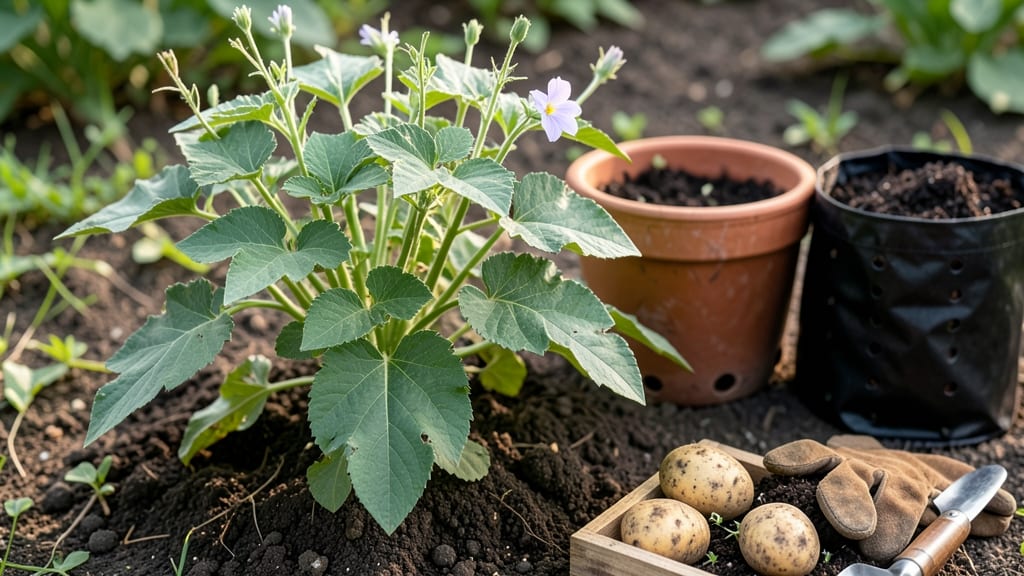
Planting potatoes in containers at the wrong time can turn your 🥔 dreams into a soggy mess—especially when frost or heat throws off your timing. The key isn’t just following a calendar; it’s reading your climate zone and container conditions like a pro.
If you’ve ever wondered why your potatoes sprouted too early or rotted before harvest, the answer likely lies in when you planted them. Containers warm up faster than soil, so you can often start 2-4 weeks earlier than traditional gardeners—but only if you know the signs of soil readiness.
I’ll break down the exact months for your USDA zone, plus container-specific tricks to avoid common mistakes. Whether you’re in a cool Zone 6a or a warmer region, you’ll learn how to time it perfectly for 90-120 days of growth.
Ready to skip the guesswork? Let’s dive into the best planting windows, soil prep secrets, and how to protect your crop from frost—so you can harvest a bounty instead of blunders.
Best planting months for potatoes in containers by USDA climate zone
Growing potatoes in containers lets you expand your garden space, but timing becomes even more critical than in-ground planting. Containers warm up faster in spring and lose heat quicker in fall, so your USDA zone dictates the perfect window.
Below, I break down the ideal planting months for each zone, accounting for frost dates, soil temperature, and container-specific needs like drainage and warming time.
For containers, aim to plant when soil reaches 45°F (7°C)—this ensures roots establish before cooler nights slow growth. In cooler zones (3-5), start indoors or in cold frames 4-6 weeks before your last frost date.
Warmer zones (7-10) can plant directly into containers as early as January or February, but watch for heat stress if planting too early.
Pro tip: Use black containers to absorb heat faster in spring, or wrap them in burlap to insulate against late frosts. Containers also dry out quicker, so plan to water daily during establishment.
| USDA Zone | Ideal Planting Window | Soil Temp Requirement | Container Prep Notes | Harvest Window |
|---|---|---|---|---|
| Zones 3-4 | Late April to early May (2-3 weeks after last frost) | 45-50°F (7-10°C) | Use black containers; add straw mulch for insulation | Late July to early September |
| Zones 5-6 | Early April to mid-May (soil at 45°F) | 45-55°F (7-13°C) | Pre-warm containers with black plastic; plant in 12"+ depth | Mid-July to late August |
| Zones 7-8 | February to early March (or September for fall crop) | 50-55°F (10-13°C) | Use fabric pots for better aeration; shade cloth if >85°F | June to early August (spring) or October (fall) |
| Zones 9-10 | January to February (or September-October) | 55-60°F (13-16°C) | Plant in tall containers with drip irrigation; avoid direct sun midday | April-May (spring) or December (fall) |
In Zones 3-4, where frosts linger, opt for early-maturing varieties like 'Yukon Gold' (90 days) to avoid heat stress before harvest. Containers in these zones should have insulation layers—like bubble wrap around the sides—to protect roots during late frosts.
For Zones 7-10, take advantage of mild winters by planting a fall crop 8-10 weeks before your first frost. Use light-colored containers to reflect heat in summer, and consider drip irrigation to maintain moisture without overheating the soil.
Container depth matters: Potatoes need 12+ inches of soil to grow properly. If your containers are shallower, choose bush varieties like 'Red Pontiac' (they produce smaller tubers but thrive in limited space). Add compost to the bottom 6 inches of soil to improve drainage and nutrient retention.
Watch for soil temperature spikes in containers—they can exceed air temperature by 10-15°F on sunny days. If your zone’s soil hits 85°F (29°C), delay planting until temperatures drop or use shade cloth to protect your containers.
In Zones 9-10, where frost is rare, you can even plant year-round with careful management. Use automatic watering systems and monitor for pests like Colorado potato beetles, which thrive in warm climates. A row cover can help regulate temperature swings.
Remember: Containers dry out 3x faster than in-ground soil. After planting, check moisture daily and water deeply in the morning to prevent blight from evening dampness. Mulch with straw or grass clippings to retain moisture and regulate temperature.
🌱
How to adjust your planting schedule for containers vs. in-ground
Containers change the game for potato planting—literally. Unlike in-ground beds, they warm up faster in spring but dry out quicker. This means you can often plant 2-4 weeks earlier in containers, but you’ll need to protect them from late frosts. The key is understanding how containers behave differently than soil.
For example, a 5-gallon container heats up 5-7°F warmer than in-ground soil, letting you start potatoes when soil temps hit 45°F (vs. 50°F for in-ground). However, containers also lose moisture faster, so you’ll need to adjust your watering schedule.
The trade-off? Containers let you grow potatoes in small spaces or urban balconies where in-ground planting isn’t possible.
If you’re in a cool climate (USDA Zones 3-5), containers let you start potatoes indoors under grow lights 4-6 weeks before your last frost date. Chit your seed potatoes first (place in light for 2-3 weeks to sprout eyes) to jumpstart growth.
For warm climates (Zones 8-10), containers help avoid heat stress—plant in late winter for a spring harvest or early fall for a winter crop.
Pro tip: Use black containers to absorb heat faster in spring. Avoid glossy pots—they reflect sunlight and slow warming. Also, add 1 inch of straw mulch to retain moisture and regulate temperature. This simple step can extend your planting window by 1-2 weeks in either direction.
Containers also let you harvest earlier because tubers aren’t competing with weeds or uneven soil temps. In-ground potatoes may take 2-3 weeks longer to mature due to slower soil warming.
For example, in Zone 6, in-ground potatoes often go in late April, while containers can start mid-March with protection.
Remember: Containers are not a substitute for timing. Planting too early in containers risks frost damage or rot from cold, soggy soil. Use a soil thermometer and monitor weather forecasts.
With the right adjustments, containers can give you two harvests per year—spring and fall—where in-ground planting might only allow one.