
Plants
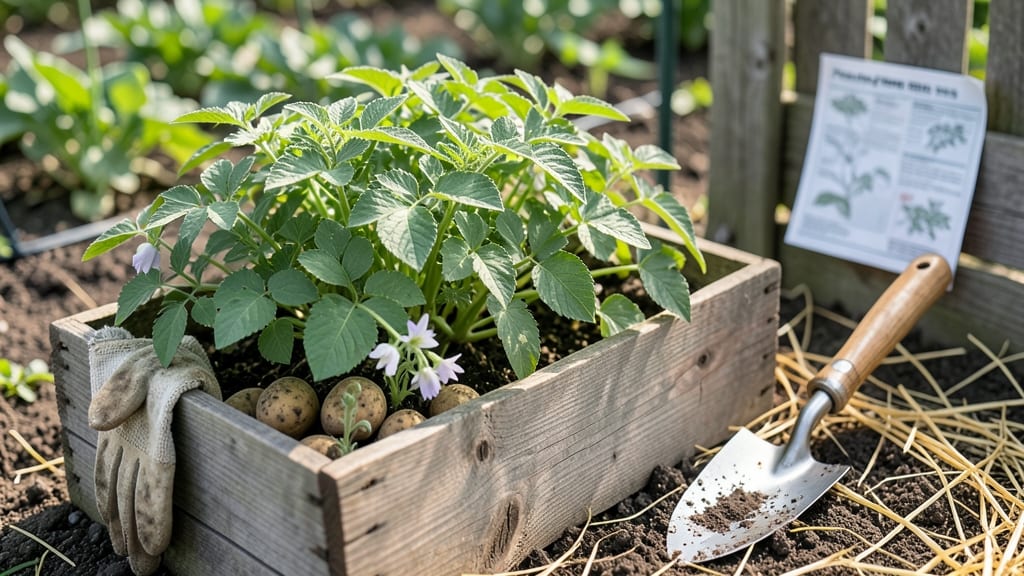
Planting potatoes in Oklahoma isn’t just about tossing seed potatoes into the dirt—it’s about timing them perfectly to beat the heat, avoid frost, and outsmart Oklahoma’s unpredictable weather.
Whether you’re in USDA Zone 6b or Zone 8a, getting the soil temperature right (between 45–55°F) and knowing your last frost date (typically March 15) makes all the difference between a thriving crop and a failed harvest.
I’ve learned the hard way that planting too early can leave your 🥔 vulnerable to late frosts, while waiting too long risks blight from Oklahoma’s summer humidity. The solution?
A strategic planting window that aligns with your zone, soil conditions, and even the type of potato you’re growing—whether it’s early varieties for spring or hardier types for fall.
In this guide, I’ll break down exactly when to plant potatoes in Oklahoma, from the ideal months for your specific zone to soil prep tips that ensure strong starts. You’ll also discover how to adjust for Oklahoma’s microclimates—because what works in Tulsa might not work in Oklahoma City.
Ready to grow a bountiful potato harvest? Let’s dive into the timing, techniques, and tricks that’ll help you turn your garden into a tuber treasure trove—no guesswork required.
Oklahoma potato planting calendar by USDA Zone (6-8) & soil temperature rules
Oklahoma’s diverse climate—from USDA Zone 6b in the north to Zone 8a in the south—means your potato planting window can vary by 6 weeks. The key to success? Soil temperature (aim for 45–55°F) and knowing your last frost date.
Rural areas like Lawton (Zone 7b) often have earlier last frosts than Oklahoma City (Zone 7a), while Tulsa (Zone 7b) sits in a microclimate with warmer spring soil.
For spring plantings, late February to early April is ideal across most of Oklahoma, but Zone 8 gardeners in the southeast (e.g., McAlester) can start as early as January.
Fall plantings for late-season varieties like Red LaSoda should begin in late August to harvest before first frost (typically mid-November).
Here’s how to calculate your exact window: Subtract 2–4 weeks from your last frost date (find yours via Almanac’s Oklahoma frost calculator). For example, if frost hits March 20 in your area, plant by February 25.
Always verify soil temps with a soil thermometer—below 45°F delays sprouting, while above 60°F stresses seedlings.
| Zone | Last Frost Date | Ideal Planting Window | Soil Temp Rule | Fall Planting Window |
|---|---|---|---|---|
| 6b (e.g., Enid) | March 25–April 5 | March 1–March 20 | Wait until soil hits 50°F+ | August 15–September 10 |
| 7a (e.g., Oklahoma City) | March 15–March 25 | February 25–March 15 | Plant when soil is 45–55°F | August 1–August 20 |
| 7b (e.g., Tulsa) | March 10–March 20 | February 15–March 10 | Soil 50°F+ for faster sprouting | July 25–August 10 |
| 8a (e.g., McAlester) | February 28–March 10 | January 20–February 15 | Plant early—soil warms fast | July 15–July 30 |
Microclimates matter! Urban areas like Oklahoma City often have later frosts due to concrete heat islands, while rural farms in western Oklahoma (e.g., Altus, Zone 7b) can plant 2 weeks earlier. Check local cooperative extension reports—Oklahoma State University’s Mesonet tracks real-time soil temps for precision timing.
For soil temperature tracking, bury a digital thermometer 4 inches deep (where seed potatoes sit) and monitor daily. If temps drop below 45°F at night, delay planting or use row covers to insulate.
In Zone 8, soil can hit 60°F+ by February, so plant early varieties like Yukon Gold immediately to avoid heat stress.
Don’t forget fall plantings! Late-season varieties like Kennebec thrive when planted in August and harvested before first frost. In Zone 6b, aim for September 10 plantings; in Zone 8a, you can push it to October 1.
Use straw mulch to protect tubers from winter freeze-thaw cycles.
Oklahoma’s unpredictable spring weather—like April frost or sudden heatwaves—demands flexibility. If your soil is too cold in March, opt for container-growing with grow lights to control temps. For outdoor beds, mix in
How to adjust planting time for early vs. late varieties in Oklahoma’s heat
Oklahoma’s unpredictable spring heatwaves can turn your potato patch into a disaster if you don’t plan ahead. Early varieties like Yukon Gold need cooler soil to sprout, while late varieties like Red Pontiac thrive when temperatures rise.
The key? Stagger your planting to extend harvests and avoid losing crops to blight or heat stress.
Start by testing your soil temperature—early potatoes (60–90 days to maturity) need soil between 45–55°F, while late varieties (100–120 days) tolerate 55–65°F. In Oklahoma’s Zone 7–8, this means planting early varieties in late February to early March and late varieties in mid-April to early May.
| Variety Type | Ideal Planting Window | Soil Temp Requirement | Days to Maturity | Oklahoma Heat Tip |
|---|---|---|---|---|
| Early (Yukon Gold, Red LaSoda) | Late Feb–Early Mar | 45–55°F | 60–90 days | Use black plastic mulch to warm soil faster |
| Mid-Season (Kennebec, Russet) | Mid-Mar–Early Apr | 50–60°F | 90–110 days | Plant in raised beds for better drainage |
| Late (Red Pontiac, Purple Viking) | Mid-Apr–Early May | 55–65°F | 100–120 days | Water deeply in AM to prevent blight |
To protect seedlings from Oklahoma’s sudden April heatwaves, use row covers or shade cloth until soil warms. For a continuous harvest, plant early varieties first, then mid-season, and finally late varieties 3–4 weeks apart.
This ensures tubers mature at different times, giving you fresh potatoes from June through August.
Watch for heat stress signs like wilting leaves or purple stems—these mean your plants need shade or more water. In Zone 8 areas like Lawton, delay late varieties until mid-May to avoid blight. For fall planting, try fingerling potatoes in August—they mature before frost hits.
My secret weapon? A soil thermometer to track temps daily. Plant when conditions align with your variety’s needs, and you’ll avoid the heartbreak of blight-wasted crops or frost-nipped seedlings. With this strategy, you’ll enjoy homegrown potatoes all summer long! 🌱