
Plants
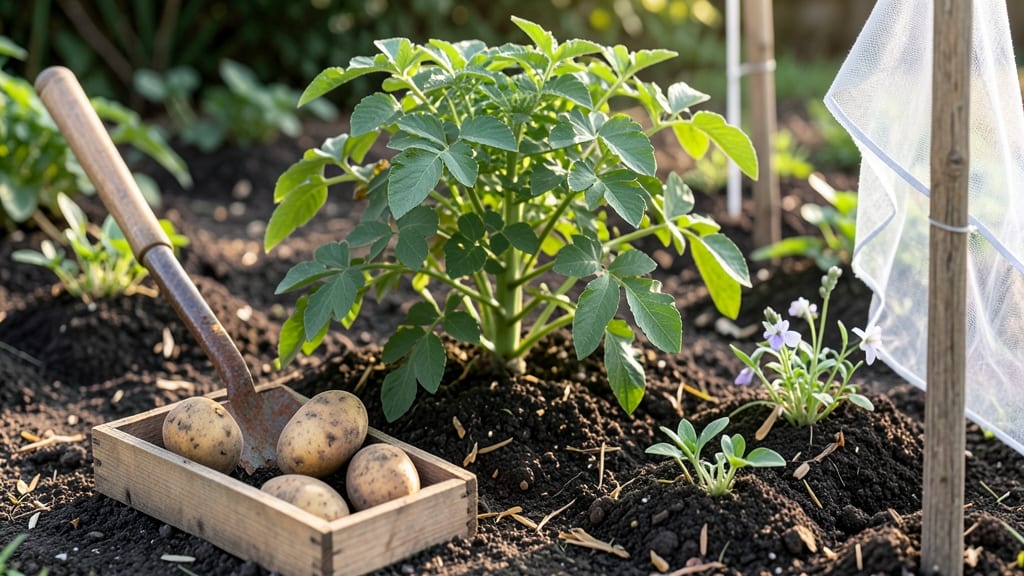
When do you plant potatoes in Oregon? Timing your potato 🥔 planting isn’t just about the calendar—it’s about dodging frost, heatwaves, and microclimates that can turn your harvest into a gamble. Skip the guesswork and plant at the precise moments when your region’s soil warms enough to protect those delicate sprouts, whether you’re in the Willamette Valley’s damp chill or the High Desert’s rapid thaw.
Most gardeners in USDA Zones 7b-9a swear by early March to mid-April for spring potatoes, but that window shifts dramatically depending on whether you’re racing against late frosts or baking in early summer heat.
Even a 2-week miscalculation can mean stunted tubers or total crop failure—so let’s break down the exact dates that work for your corner of Oregon.
You’ll also discover why summer planting (July to early August) can be a game-changer for avoiding disease and extending your harvest into fall. I’ll share how to adjust for your specific microclimate, from coastal fog delays to desert soil that heats up faster than a campfire.
Ready to turn your potato patch into a zero-frost success story? Grab your gloves—we’re diving into the planting schedule that’ll have you digging up perfect spuds by July.
Oregon potato planting calendar by region: exact months for frost-free success
Oregon’s four distinct gardening regions create wildly different planting windows for potatoes. Whether you’re in the cool Willamette Valley, hot High Desert, foggy Coast, or high-elevation Cascades, timing is everything to avoid frost damage and maximize your harvest.
I’ve broken down the exact months and soil temperature requirements for each zone so you can plant with confidence.
Potatoes thrive when soil temperatures reach 40°F (4°C)—but planting too early risks frost kill, while waiting too long cuts your harvest window. Oregon’s average last frost dates vary by 3-4 weeks between regions, making regional guidance essential. Let’s dive into the precise planting calendar tailored to your microclimate.
🌱 Comparison Table: Oregon Potato Planting by Region
For Willamette Valley gardeners, aim to plant between mid-March and early April when soil temperatures consistently reach 45-50°F (7-10°C). This region’s cool, damp springs demand patience—planting too early risks frost damage, while waiting too long shortens your harvest window.
Use black plastic mulch to warm the soil faster if needed.
The High Desert offers the earliest planting window, with late February to mid-March ideal for seed potatoes. Soil warms quickly here, but dry winds can stress young plants.
Irrigate immediately after planting and monitor for soil moisture—desert soils dry out fast. Summer planting here should occur by July 1 to avoid heat stress.
Coastal Oregon presents unique challenges with its late frosts. Wait until late March to early April when soil reaches 45°F (7°C) and coastal fog lifts. The longer growing season allows for summer planting until August 1, but prioritize early-maturing varieties like 'Yukon Gold' to avoid fall rains.
In the Cascade Foothills, plant between early and mid-April when soil hits 40-45°F (4-7°C). These areas experience valley inversions where cold air settles, increasing frost risk. Use row covers for early plantings and choose mid-season varieties like 'Kennebec' for reliable harvests before fall frosts arrive.
Regardless of region, always plant 4-6 weeks before your last frost date to ensure tubers develop before daytime temperatures exceed 85°F (29°C). In Oregon’s variable climate, having a backup planting plan—like container growing or high tunnels—can save your harvest if spring weather turns unpredictable.
Pro tip: Test your soil’s drainage before planting. Potatoes hate soggy soil—amend with compost if your garden holds water. Add a 2-inch layer of straw mulch after planting to retain moisture and suppress weeds without smothering young sprouts.
🌿 Remember: The key to Oregon potato success lies in soil temperature, not just calendar dates. Use a soil thermometer to confirm readiness—this small tool can mean the difference between a bountiful harvest and a frosted failure.
How to adjust planting dates for early vs late varieties in Oregon’s climate
Oregon’s unpredictable spring weather can turn a great potato harvest into a gamble if you don’t adjust planting dates for early, mid, and late varieties. Early varieties like Yukon Gold need cooler soil, while late varieties such as Russet Burbank thrive in warmer conditions.
Matching your seed potatoes to the right window ensures frost-free growth and avoids heat stress during summer.
Start by checking your USDA zone (7b–9a in Oregon) and local frost dates. Early varieties should go in the ground 4–6 weeks before the last frost, while late varieties can wait until mid-April to early May when soil temps hit 45°F+.
In the Willamette Valley, this might mean planting early potatoes in late February to March, while high desert areas like Bend can start as early as mid-March.
- Early Varieties (60–90 days): Plant 4–6 weeks before last frost (e.g., Red Pontiac in late February–March). Ideal for cooler coastal areas.
- Mid Varieties (90–110 days): Plant 2–4 weeks before last frost (e.g., Kennebec in early March–April). Works for Willamette Valley and Cascade Foothills.
- Late Varieties (110+ days): Plant after soil warms to 45°F+ (e.g., Russet Burbank in mid-April–May). Best for high desert or inland zones.
- Summer Planting (July–August): For second crops, use early varieties like New Potatoes to harvest before first frost (October).
- Heatwave Adjustment: If soil temps exceed 85°F, delay planting or use shade cloth to prevent tuber stress.
For coastal Oregon, where fog and cool temps linger, prioritize early-maturing varieties like Adirondack Red and plant in March. In contrast, high desert regions can handle late varieties planted in April or May when nights stay warmer.
Always test soil temps with a soil thermometer—potatoes need consistent warmth to avoid hollow heart disease.
Pro tip: Chit your seed potatoes (expose to light for 2–4 weeks before planting) to jumpstart growth. This is especially critical for late varieties, which need every day of the growing season. Pair this with black plastic mulch to warm soil faster in slow-starting zones like the coast.
Watch for unexpected heatwaves after planting—Oregon’s June Gloom can shift to 90°F+ days by July. If your early potatoes sprout too fast, hill soil around stems to protect tubers from sun exposure. Late varieties, meanwhile, benefit from drip irrigation to maintain steady moisture during dry spells.
By aligning your variety choice with Oregon’s microclimates and adjusting planting dates, you’ll dodge frost, heat stress, and uneven harvests.
Start with early varieties for a spring harvest, then follow up with late varieties for a fall bounty—just don’t plant them too close to the first frost! 🥔