
Companion Plants
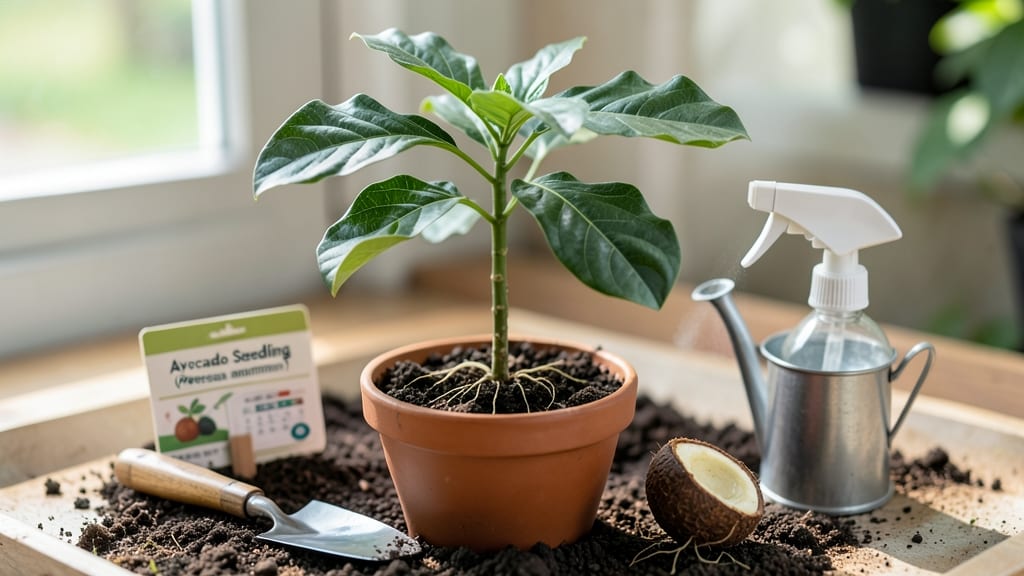
To plant your avocado seed in dirt at the right time means the difference between fast sprouting and months of waiting for roots to show. Timing isn’t just about the calendar—it’s about soil warmth, and getting it wrong can stall your 🥑 Avocado Tree’s growth before it even begins.
Most gardeners make the mistake of rushing into planting too early, only to watch their seeds rot in cold soil.
The key is waiting until the dirt reaches 65°F or warmer, which typically aligns with spring in most regions—like March or April in USDA Zone 6a. But here’s the trick: even if your last frost has passed, soil temperature lags behind air temperature, so don’t skip the test.
Whether you’re starting indoors or outdoors, I’ll walk you through how to check soil warmth, adjust for your climate, and avoid common pitfalls that kill seeds before they sprout. You’ll learn exactly when to make that first move—and how to give your seed the best shot at life.
By the end, you’ll know not just when to plant, but how to create the perfect conditions for your Avocado Tree to thrive from day one. Let’s get those roots growing!
Optimal soil temperature ranges for planting avocado seeds in dirt
Avocado seeds thrive when planted in soil that mirrors their tropical origins, but temperature is the game-changer most gardeners overlook. Unlike annual flowers, avocado seeds need consistent warmth—between 65°F and 85°F—to break dormancy and sprout.
Plant too early in cool climates, and your seedling will languish for months. Too late, and you risk fungal rot before roots even form.
Think of soil temperature like a greenhouse effect: avocado seeds crave the warmth they’d experience under a mother tree in their native Mexico or Central America.
In temperate zones, this means waiting until after your last frost date—typically late spring—while tropical climates can plant year-round with proper soil prep. Even a 5°F drop below 65°F can stall germination for weeks.
Here’s the critical range broken down for your climate:
To test your soil’s readiness, use a soil thermometer—the same tool gardeners use for planting tomatoes. Stick it 2 inches deep (where your avocado seed will sit) and wait 30 minutes for an accurate reading.
If it’s below 65°F, delay planting or use a seedling heat mat ($15–$25 at garden centers) to simulate tropical conditions. Pro tip: Morning is the best time to check—soil cools overnight and can trick you into planting too early.
For container gardeners, warmth is easier to control. Place pots on a sunny windowsill or under grow lights to maintain 70°F+ soil temps. Black pots absorb heat faster than white, so opt for dark containers if your climate fluctuates.
Avoid glass pots—they trap too much moisture and risk rot. If you’re in Zone 5 or colder, start seeds indoors under grow lights in early spring, then transplant to outdoor pots once soil hits 65°F.
One common mistake? Assuming "warm" means "hot." Avocado seeds rot above 90°F—their native soil stays humid but not scorching. In desert climates (like Phoenix or Las Vegas), plant in partial shade during peak summer to keep soil temps ideal.
Mulch with straw or wood chips to insulate roots and prevent temperature swings. Even a 10°F drop at night can shock young roots, so monitor closely in transitional seasons like spring or fall.
If you’re in doubt about timing, err on the side of warmth. Avocado seeds can take 8–12 weeks to germinate—planting too early just adds to that wait.
For example, in Zone 8, I’ve seen seeds planted in March (55°F soil) take 3 months to sprout, while those planted in May (70°F soil) shoot up in 4 weeks. The difference? Consistent warmth.
For indoor starters, mimic tropical humidity by placing a tray of water near your seedling or using a humidifier. Avocado seeds need 60–70% humidity to germinate—dry air in homes (often 30% humidity) is a silent killer.
Once your seedling has 2–3 true leaves and a 1-inch root system, it’s ready for outdoor soil, but only if temps stay above 65°F. Harden it off gradually by moving it outside for 2 hours daily before full transplant.
Remember: Patience pays off, but warmth accelerates. With the right soil temperature, your avocado seed could sprout in as little as 3 weeks—not the months many gardeners experience. Test your soil, adjust your timing, and give those roots the tropical boost they crave. 🌱
Signs your avocado seed is ready to transition from water to soil
Your avocado seed has been patiently growing in water, but knowing when to move it to soil can make or break its survival. The key is watching for three critical milestones: root length, stem thickness, and leaf development.
When roots reach 6+ inches and the stem is pencil-thick, it’s time to act—but wait too long, and you risk overcrowded roots or rot.
Don’t rush the transition, though. A seedling with only 3-4 inches of roots or a thin, bendy stem isn’t strong enough to handle soil. These early stages are delicate, and forcing the move can shock the plant, stunting growth for weeks or even killing it.
Patience here pays off in a healthier, more resilient tree.
⚠️ callout-warning ⚠️
If your avocado seed’s roots turn mushy or brown in water, it’s too late to save—this signals root rot. Prevent it by ensuring only the bottom 1-2 inches of the seed sits in water, never fully submerged. For soil transition, use a well-draining mix (60% potting soil, 30% perlite, 10% compost) to avoid soggy roots. Act now: Check roots weekly for sliminess or foul odors—these are red flags!
Once your seedling hits the 6-inch root mark, focus on the stem’s thickness. A mature seedling should feel firm to the touch, like a pencil or thicker**. If you can bend it easily, it’s not ready—keep it in water another 2-3 weeks. Thick stems store more nutrients, giving your tree the energy it needs to adapt to soil.
Leaf development is your final green light. Healthy avocado seedlings should have 2-4 glossy leaves that aren’t yellowing or wilting. If leaves appear dull or curled, your seedling may be stressed or nutrient-deficient.
Boost its health by adding a balanced fertilizer (6-6-6 NPK) to its water for the last week before transplanting.
Before planting, prep your soil like a pro. Use a 4-inch pot with drainage holes and fill it with a mix of cactus/succulent soil (50%) and perlite (50%) for airflow.
Plant the seedling 1 inch deep, burying the roots but leaving the top half of the stem exposed. Water lightly until moisture reaches the bottom—no soggy soil!
After transplanting, place your pot in bright, indirect light for the first week to reduce stress. Avoid direct sun, which can scorch tender new leaves. Gradually increase sunlight over 2 weeks, and watch your avocado seedling thrive in its new home.
With the right timing, you’ll see new growth within 3-4 weeks—proof you’ve done it right!