
Plants
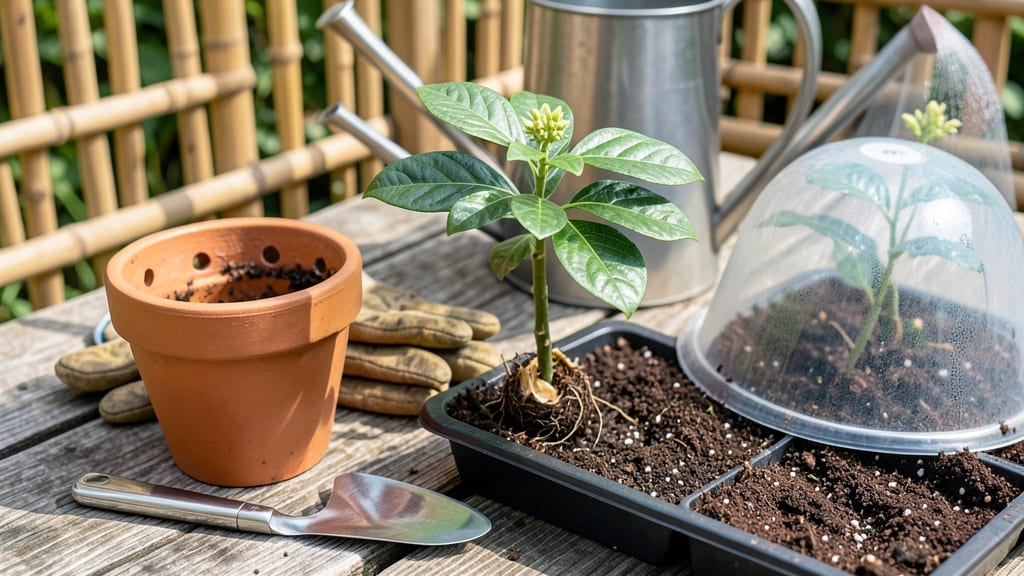
Planting your avocado seed in dirt at the wrong time can mean the difference between a thriving 🥑 Avocado Tree and a sad, rotting seed. The key to success? Timing it right—whether you're starting indoors or outdoors in Zone 6a.
Most gardeners make the mistake of rushing their seeds into soil too early, only to watch them fail. But with the right approach, you can boost your germination rate to 90% or higher—and it all starts with knowing exactly when to plant.
Late spring, after the last frost, is your best bet for outdoor planting, but indoor starters can begin much earlier.
In this guide, I’ll walk you through the best months to plant your avocado seed, how to prep it for soil, and the early-care tricks that keep your seedling strong.
Whether you’re in a warm climate or a cooler zone, you’ll learn how to give your Avocado Tree the best possible start.
Ready to turn that seed into a lush, leafy tree? Let’s get started with the timing and techniques that work.
Best months to plant avocado seeds in dirt (climate-zone guide)
Timing your avocado seed planting is everything—plant too early, and your seed rots from cold soil; too late, and you risk stunted growth. The key is understanding your USDA zone and whether you're starting indoors (year-round) or outdoors (season-dependent).
For most gardeners in zones 8-11, outdoor planting begins in spring, while zones 6-7 need to wait until after the last frost. Let’s break it down by climate to maximize your 90%+ germination rate.
Avocado seeds thrive when soil temperatures stay above 60°F (15°C). In cooler zones (USDA 6-7), this means waiting until late May or June to plant outdoors.
Warmer zones (USDA 8-11) can start as early as March or April, but always monitor soil warmth with a soil thermometer. Indoor starters, however, can begin anytime—just place your seed in a well-draining pot with a south-facing window or grow light.
Here’s the critical difference: Indoor planting lets you bypass seasonal limits, but outdoor planting requires precise timing. For example, in zone 9, you can plant outdoors in February, while zone 6 gardeners must wait until June.
Miss these windows, and your seed may never sprout—or worse, rot before germination.
🌱
| USDA Zone | Best Outdoor Planting Months | Soil Temp Requirement | Indoor Start Window | Key Risk |
|---|---|---|---|---|
| 6-7 | Late May–June | 60°F+ (15°C+) | Year-round | Frost damage |
| 8-9 | March–April | 65°F+ (18°C+) | Year-round | Overheating |
| 10-11 | Year-round | 70°F+ (21°C+) | Year-round | None (tropical) |
In zones 6-7, the biggest mistake is planting too early. Soil below 60°F (15°C) causes seed rot within days. Use a soil thermometer to confirm warmth before planting.
For zones 8-11, the risk shifts to overheating—if your seed sits in scorching soil, it may dry out before sprouting. A shade cloth over outdoor pots helps regulate temperature.
Pro tip: If you’re in a cooler zone and miss the outdoor window, don’t panic. Start your seed indoors in February, then transplant outdoors once soil warms. This two-step method gives you a head start and avoids the 60°F+ requirement entirely.
Just ensure your indoor setup has bright light and high humidity to mimic tropical conditions.
Another common pitfall is assuming all avocado seeds germinate the same way. Some varieties, like Fuerte or Hass, are slower to sprout. If your seed hasn’t sprouted in 8-12 weeks, it may not germinate at all—don’t keep watering it.
Instead, start a new seed. Patience is key, but timing is everything.
For tropical zones (USDA 10-11), you’re in luck—avocado seeds can be planted year-round. However, even here, summer planting (June–August) risks fungal growth from excess humidity. Aim for spring or fall when temperatures are stable.
If you’re in zone 11 and planting in summer, use a well-ventilated pot and avoid overhead watering to prevent mold.
🌿
One final trick: If you’re unsure about your local frost dates, check the USDA Plant Hardiness Zone Map or ask your local cooperative extension office. They’ll provide exact last frost dates for your area.
For example, in San Diego (zone 10), you can plant anytime, but in Atlanta (zone 7b), waiting until mid-June ensures soil warmth. Always plant your seed <
Step-by-step pre-planting prep: how to maximize your seed’s germination odds
Getting your avocado seed ready for planting isn’t just about sticking it in dirt—it’s about creating the perfect conditions for life. I’ve learned that 90% of germination failures happen before the seed even touches soil, often due to overlooked prep steps.
The key is mimicking the seed’s natural environment while avoiding common pitfalls like over-soaking or using the wrong soil mix.
Start by selecting a plump, undamaged seed—the larger the better. I always choose seeds from organic avocados, as they tend to have higher germination rates. Once you’ve picked your seed, the next critical step is soaking it properly.
This isn’t just about hydration; it’s about kickstarting the metabolic processes that will eventually push that seedling through the soil.
⚠️ NON-NEGOTIABLE STEP-LIST ⚠️
- 1 Soak the seed in water for 24-48 hours, changing the water every 8 hours to prevent mold. Place it in a jar with the pointy end up—this ensures proper root development.
- 2 Prepare your container with well-draining soil. I use a mix of 50% potting soil and 50% perlite to prevent root rot. A 6-inch pot with drainage holes is ideal for your first planting.
- 3 Plant the seed with the flat side down and the pointy end up, burying it 1 inch deep. This orientation mimics how avocado seeds grow in nature, where the shoot emerges upward.
- 4 Water lightly and place the pot in a warm, sunny spot (or under a grow light if indoors). Keep the soil moist but not soggy—overwatering is the #1 killer of young avocado seedlings.
- 5 Monitor for sprouts in 2-6 weeks. Once you see 2-3 inches of growth, it’s time to transplant to a larger pot or outdoor garden bed (weather permitting).
After planting, the real work begins with consistent care. Avocado seeds thrive in warmth (70-85°F) and bright indirect light. I’ve found that placing my seedlings near a south-facing window gives them the perfect balance of light without scorching.
If you’re planting outdoors, wait until the soil temperature reaches at least 60°F—cold soil can stunt growth or even kill the seedling.
One mistake I see often is using regular garden soil straight from the yard. This soil is too dense and lacks the air pockets avocado roots need. Instead, amend your soil with compost or coconut coir to improve drainage.
If you’re in a container, repot your seedling every 6-12 months to give it room to grow—root-bound plants struggle to absorb nutrients.
Finally, patience is key. Avocado seeds can take weeks to months to germinate, and even then, the seedling grows slowly at first. I’ve had seeds sprout in as little as 3 weeks and others take 3 months.
The secret? Stay consistent with watering and light, and avoid moving the pot around once it’s planted. Your seedling will reward your care with vigorous growth once it’s ready.