
Companion Plants
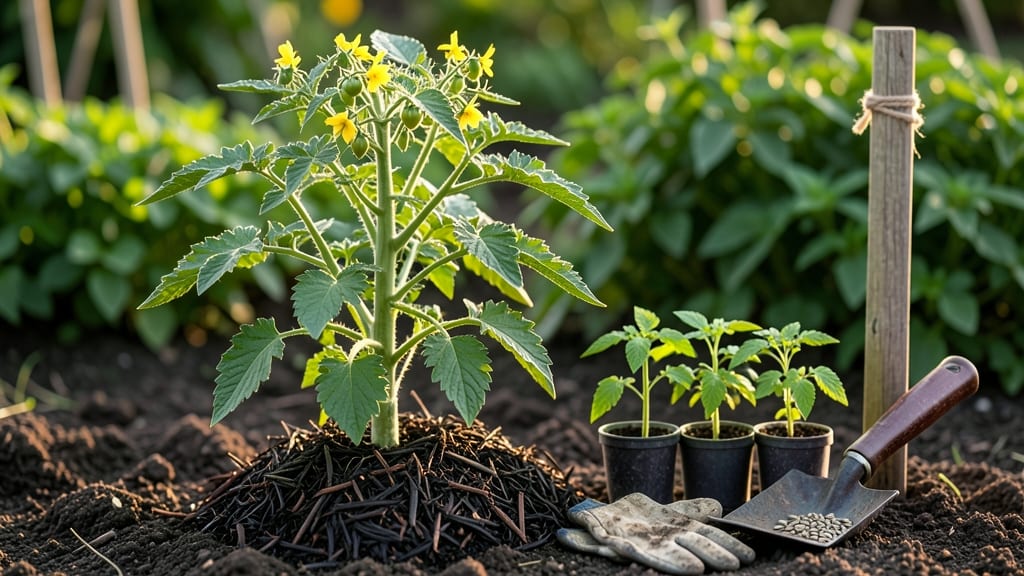
Planting tomatoes in Florida at the wrong time can mean the difference between a bumper crop of juicy 🍅 and a sad, wilted disappointment. Unlike other states, Florida’s frost-free growing window stretches nearly year-round, but even here, timing matters—especially if you want to avoid heat stress or early blight.
I’ve grown tomatoes in Florida’s 8a-11 zones for years, and the key is knowing when to start seeds or transplant young plants to match your region’s microclimate.
Whether you’re in North Florida’s cooler pockets or South Florida’s steamy lowlands, the exact months for planting will give you the best chance at a long, productive harvest.
In this guide, I’ll break down the optimal planting windows for every part of the state, including how to extend your season with succession planting and container gardening hacks. No more guessing—just science-backed timing for tomatoes that thrive from spring through fall.
Ready to turn your Florida garden into a 🍅 powerhouse? Let’s get started with the months that work best for your location.
Florida’s exact tomato planting months by region (avoid frost & heat stress)
Florida’s three distinct climate zones mean your tomato planting schedule should vary dramatically between North Florida’s cooler winters and South Florida’s tropical heat. While North Florida faces occasional light frosts (especially in January-February), South Florida stays frost-free year-round—making summer planting a viable option there.
Even Central Florida gardeners must time their plantings carefully to avoid heat stress during July-August or early frost in December.
Microclimates further complicate timing—coastal areas stay warmer longer than inland regions, while urban heat islands can push summer temperatures high enough to scorch young plants. Heat-tolerant varieties like ‘Florida 47’ or ‘Heatmaster’ thrive in 90°F+ conditions, but even they need shade cloth during peak summer in North Florida.
Let’s break down the exact planting windows for each region to maximize your tomato harvest.
🔍 Key Takeaway: Plant tomatoes in Florida during spring (March-May) and fall (September-November) for best results, but South Florida can plant year-round with proper heat management.
| Region | Best Planting Months | Avoid Planting | Heat-Tolerant Varieties | Frost Risk |
|---|---|---|---|---|
| North Florida (Zone 8a-9a) | February-March & September-October | June-July (heat stress) & December-January (frost) | ‘Florida 47’, ‘Heatmaster’, ‘Solar Fire’ | Light frost possible Jan-Feb |
| Central Florida (Zone 9a-10a) | February-April & August-September | May-June (heat stress) & December (light frost risk) | ‘Celebrity’, ‘Sun Gold’, ‘Better Boy’ | Rare frost after Dec 15 |
| South Florida (Zone 10a-11) | Year-round (best: Jan-Feb & Sep-Oct) | None (but avoid peak summer for seedlings) | ‘Sun Leaper’, ‘Heatmaster’, ‘Mountain Merit’ | No frost risk |
🌡️ Note: Soil temperature should be 60°F+ for planting; use mulch to regulate heat.
In North Florida, where frost dates can dip into the mid-20s°F, your last frost date typically falls around January 15. This means February-March is your sweet spot for spring planting, giving you summer harvests before heat stress sets in.
For a fall crop, aim for September-October plantings to harvest before December’s potential frost. Heat-tolerant varieties like ‘Florida 47’ can handle 90°F+ temps, but shade cloth is a game-changer in July-August.
Central Florida gardeners enjoy a longer frost-free window (typically December 15 to January 15), allowing February-April and August-September plantings. May-June is risky for seedlings due to soaring temperatures, while December can bring light frosts—especially in inland areas. Succession planting every 2-3 weeks during these windows ensures a continuous harvest. Dwarf varieties like ‘Tiny Tim’ work well for container gardens in urban areas where space is limited.
If you’re in South Florida, congratulations—you can plant tomatoes year-round! However, peak summer months (June-August) are tough on seedlings due to intense humidity and heat.
For best results, focus on January-February (for spring harvests) and September-October (for fall/winter harvests). Heat-resistant varieties like ‘Sun Leaper’ thrive here, but even they benefit from afternoon shade during June-July. Drip irrigation is a must to prevent fruit rot in Florida’s high humidity.
Microclimates play a huge role in Florida gardening. For example, coastal areas (like Miami or Tampa) stay 5-10°F warmer than inland cities like Orlando or Gainesville.
If you live near the coast, you can push your fall planting into early November, while inland gardeners should stop by October
How to extend your tomato season in Florida (start early, harvest late)
Florida’s warm climate lets you grow tomatoes nearly year-round, but with the right strategies, you can push your harvest even further. I’ve learned that early spring starts and fall succession planting are key to avoiding heat stress and maximizing yields.
The trick is timing—plant too early, and you risk frost; too late, and the summer heat will slow growth. Let’s break down the best methods to keep tomatoes producing from January through November.
One of my favorite techniques is using heat-resistant varieties like 'Solar Fire' or 'Heatmaster,' which thrive when temperatures climb above 90°F. Pair these with drip irrigation to keep roots cool, and you’ll see a dramatic difference in fruit set.
For fall, I always plant succession crops every 2-3 weeks starting in August to ensure a steady harvest before winter sets in.
- 📅 Start seeds indoors in January for early spring transplants (use grow lights to prevent leggy seedlings).
- 🌡️ Use row covers in late winter (Feb-March) to protect young plants from unexpected cold snaps (below 40°F).
- ☀️ Plant heat-tolerant varieties like 'Celebrity' or 'Sunset' in June-July for summer harvests.
- 🍅 Succession plant every 2-3 weeks from August-October for fall harvests.
- ❄️ Overwinter with cold frames or greenhouses to harvest into December in South Florida.
For early starts, I swear by cold frames or low tunnels to extend the season into December in South Florida. These simple structures trap heat and can raise soil temperatures by 10°F or more, giving your plants a head start.
In North Florida, where frosts are more common, I focus on fall planting (August-September) and use black plastic mulch to warm the soil faster.
Don’t overlook container gardening for urban gardeners—it’s perfect for balancing heat and moisture. Use 5-gallon pots filled with well-draining potting mix and place them in partial shade during peak summer heat (10 AM–2 PM).
This method lets you move plants to cooler spots as needed, avoiding the blossom drop that plagues many Florida gardens in July.
Finally, prune aggressively in late summer to redirect energy to fruit production instead of foliage. Remove suckers (the shoots between the stem and branches) and any yellowing leaves to improve airflow.
I also add a balanced fertilizer (10-10-10) every 4-6 weeks during active growth to keep plants energized for late-season harvests.
With these strategies, I’ve harvested tomatoes in every month except January in my North Florida garden. The key is adapting to your microclimate—whether that means using shade cloth in the summer or cold frames in the winter.
Experiment with one or two methods this season, and you’ll be rewarded with juicy, homegrown tomatoes long after your neighbors’ plants have given up.