
Companion Plants
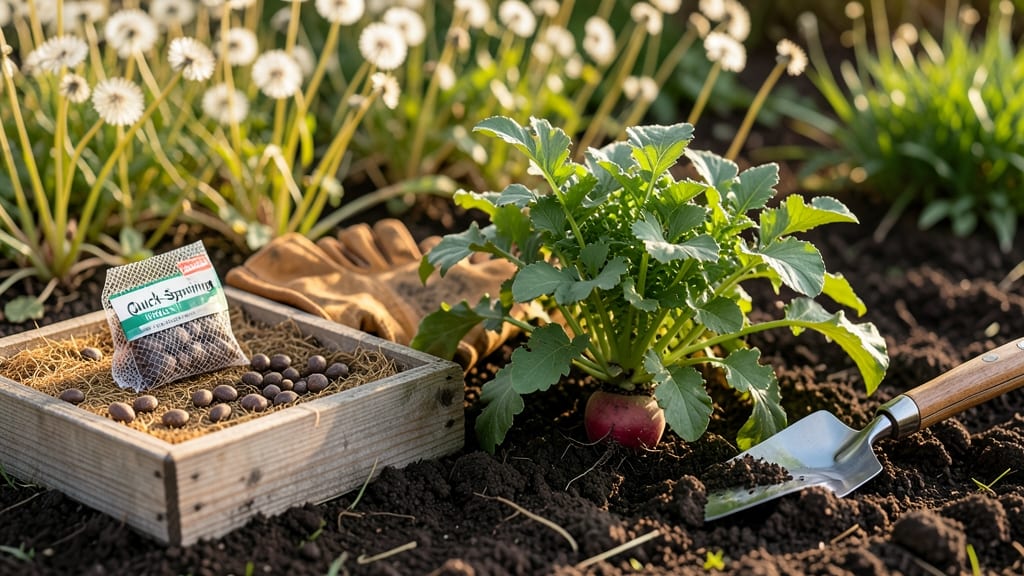
If you've ever planted radishes only to watch them bolt before harvest, you're not alone—getting the timing right in Zone 5 is everything. The key to crisp, fast-growing 🥕 lies in knowing exactly when to sow seeds for the best results, whether you're aiming for spring or fall harvests.
Most gardeners in Zone 5 make one of two mistakes: planting too early and risking frost damage, or waiting too long and ending up with bitter, woody radishes.
I’ve tested the perfect windows—early spring as soon as soil warms and late summer for a fall crop—and the results speak for themselves.
What you’ll discover here are the exact weeks before last frost to plant for fast harvests in 25-30 days, plus the best cold-hardy varieties that thrive in Zone 5’s unpredictable climate. No more guesswork, just a foolproof plan for a steady supply of fresh radishes all season.
Ready to transform your garden into a radish powerhouse? Let’s dive into the timing secrets that’ll have you pulling those bright roots straight from the soil—just when you need them most.

Best planting windows for radishes in Zone 5: exact weeks before last frost
Radishes thrive in Zone 5's cool climate, but getting the timing right is everything. In my experience, planting too early risks frost damage, while waiting too long can trigger bolting—when radishes flower prematurely and turn bitter.
The key is understanding soil temperature and frost dates to align with radishes' 20-30 day growth cycle.
For Zone 5, your last average frost date is typically around May 15, and first frost arrives by October 1. Radishes are cold-hardy but need consistent soil temps above 40°F (4°C) to germinate.
Let’s break down the three ideal planting windows—early spring, late summer, and fall—with exact weeks to maximize your harvest.
| Planting Window | Weeks Before Last Frost | Soil Temp Requirement | Best Varieties | Notes |
|---|---|---|---|---|
| Early Spring | 6-8 weeks before last frost (plant March 15-April 1) | 40-50°F (4-10°C) | 'Cherry Belle,' 'French Breakfast' | Fastest harvests; protect with row covers if frost threatens. |
| Late Summer | 8-10 weeks before first frost (plant July 15-August 1) | 50-60°F (10-15°C) | 'White Icicle,' 'Easter Egg' | Avoid bolting with afternoon shade in hot summers. |
| Fall | 10-12 weeks before first frost (plant August 15-September 15) | 45-55°F (7-13°C) | 'Winter Bocking,' 'Black Spanish' | Cold-hardy; harvest before hard frosts hit. |
In early spring, I start seeds indoors or use row covers to protect young plants from late frosts. For late summer plantings, focus on shade-tolerant varieties like 'White Icicle' to prevent bolting when temps rise. Fall plantings are my favorite—they yield sweet, crisp radishes just before winter sets in.
For succession planting, sow seeds every 2 weeks in spring and fall to ensure a continuous harvest. This works especially well in microclimates, like south-facing beds that warm up faster.
In my garden, I’ve had success planting radishes in raised beds filled with compost-rich soil to maintain consistent temps.
Adjust your planting schedule if your microclimate varies. For example, if your garden sits in a low-lying area, expect frost 1-2 weeks later than the average. Conversely, south-facing slopes may warm up 10-14 days earlier, letting you plant sooner.
Always test soil temps with a soil thermometer—aim for 40°F (4°C) for germination.
One common mistake I see is planting radishes when soil is still cold or waterlogged. Radish seeds won’t germinate below 40°F (4°C), and soggy soil invites rot. To fix this, amend your soil with compost and avoid working it when it’s wet.
If you’re in doubt, wait until soil is dry enough to crumble in your hand.
For fall harvests, prioritize cold-hardy varieties like 'Winter Bocking,' which can tolerate light frosts. These radishes develop sweeter flavors after a frost, making them perfect for late-season gardening. Just be sure to harvest before hard frosts damage the roots—aim to pull them 2-3 weeks before the first expected frost.
Pro tip: Use mulch to extend your fall planting window. A thick layer of straw or leaves insulates the soil, keeping it warm longer and protecting young plants. In my Zone 5 garden, mulched beds have let me plant radishes as late as September 20 without issues.
Finally, don’t overlook container gardening for radishes. In small spaces, I’ve grown radishes in 5-gallon pots with great success, especially in late summer when soil temps spike. Just ensure your containers have drainage holes and use a lightweight potting mix to prevent compaction.
How to avoid common radish planting mistakes in Zone 5’s unpredictable spring
Zone 5 gardeners face a tricky balance when planting radishes—too early, and frost ruins your crop; too late, and they bolt before you harvest. The 4-6 weeks before your last frost date is your sweet spot, but soil temperature (not just air temperature) determines success.
In my experience, rushing into cold, damp soil is the #1 mistake that leads to rot and slow germination.
Even if your last frost date is May 15, don’t plant until the soil warms to 45°F or above. A simple soil thermometer (just $10) saves you from wasted seeds.
I’ve seen radishes planted in 40°F soil take 3+ weeks to sprout—by then, the weather’s already shifted, and you’re playing catch-up.
🚨 callout warning 🚨
⚠️ Zone 5 Radish Planting Dead Zones
Planting too early: Frost kills seedlings before emergence (soil <45°F). Symptoms: Blackened leaves, mushy roots.
Planting too late: Bolting (flowering) in 60°F+ soil. Symptoms: Bitter taste, woody stems, yellowing tops.
Solution: Use row covers for early starts or shade cloth in summer heat. Test soil temp daily—don’t guess!
Uneven germination is another Zone 5 headache. If your radishes sprout in patchy clusters, blame inconsistent soil moisture or old seeds. I’ve had batches where half sprouted in 5 days and the rest took 14—frustrating!
To fix this, soak seeds overnight before planting and maintain even moisture (not soggy). A light mulch (straw or grass clippings) helps regulate temperature and moisture.
Pests like flea beetles and cabbage worms love radish leaves, especially in spring’s unpredictable weather. I’ve lost entire rows to these guys when I didn’t act fast. Row covers are your best defense—lightweight fabric that lets sunlight through but blocks pests.
For organic control, spray neem oil every 7 days once seedlings emerge. Timing matters here too: apply in the early morning to avoid harming beneficial insects.
Don’t overlook succession planting to stretch your harvest. In Zone 5, I plant radishes every 2 weeks from April to June, then again in late August for a fall crop. This ensures a steady supply and prevents bolting from heat stress.
For fall plantings, aim for 8 weeks before your first frost—radishes mature quickly, but they need time to bulk up before cold sets in.
Finally, harvest at the right time to avoid bitterness. Most varieties are ready in 25-30 days, but check size—1-2 inches in diameter is ideal. If you wait too long, they’ll turn woody and pithy.
I pull a few test radishes when they’re half-size to check flavor. Pro tip: Harvest in the morning when roots are crispest and pests are least active.