
Plants
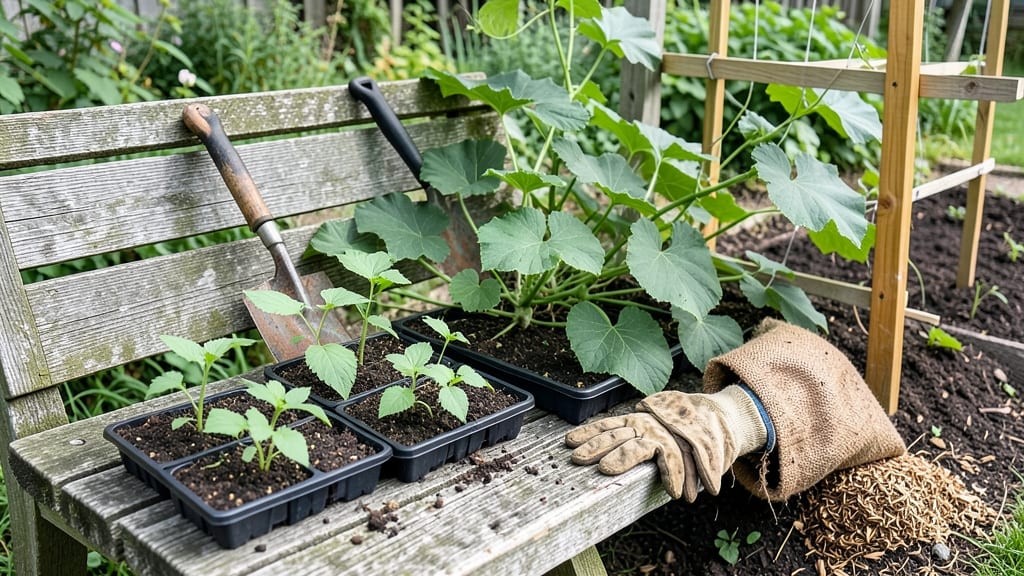
Planting cucumbers at the wrong time in Zone 6a could mean the difference between a bountiful harvest of crisp 🥒 and a sad, wilted vine. The key is timing—too early, and frost will zap your seedlings; too late, and your plants won’t mature before summer fades.
I’ve learned the hard way that getting this right is the secret to juicy, vine-ripened cucumbers all season long.
In Zone 6a, where last frost typically hits around mid-April, the window to plant cucumbers is narrow but critical. You’ll want to wait until soil temperatures hit at least 60°F—usually 2-3 weeks after that final frost date—to ensure strong germination.
Skipping this step often leads to slow growth or stunted plants.
Whether you’re a first-time gardener or a seasoned pro, knowing the exact timing—and a few pro tips—can make or break your cucumber patch.
I’ll walk you through the best methods for direct sowing, soil prep, and even how to adjust for those pesky late frosts that love to throw a wrench in the plan.
Ready to grow cucumbers that taste like summer? Let’s dive into the exact weeks, soil tricks, and companion plants that’ll turn your garden into a 🥒 paradise—without the guesswork.

Zone 6A cucumber planting schedule: exact weeks before last frost for success
In Zone 6A, where last frost dates typically range from March 15 to April 15, timing your cucumber planting correctly is the key to avoiding frost damage while ensuring vines mature before summer’s end.
Cucumbers thrive in warm soil and air, so planting too early risks cold-sensitive seedlings, while late planting may leave you with a short harvest window. The ideal strategy balances these factors to maximize your 60-70 day growing season.
Most cucumber varieties need 50-70 days to reach maturity, meaning you’ll want to plant after your last frost date—but not so late that vines struggle to produce before fall frosts arrive around mid-October.
For Zone 6A, this translates to a 2-4 week window after your average last frost date, which usually falls in mid-April. However, soil temperature is just as critical as air temperature.
| Planting Method | Optimal Planting Window | Soil Temp Requirement | Notes |
|---|---|---|---|
| Direct Sow Outdoors | 2-3 weeks after last frost (mid-April to early May) | 60°F+ consistently | Best for warm-season varieties; avoid transplant shock |
| Transplant Seedlings | 3-4 weeks after last frost (late April) | 55°F+ (hardened-off seedlings) | Use row covers for early starts; extend season |
| Staggered Planting | Every 2 weeks (April to early June) | 60°F+ | Ensures continuous harvest; ideal for short seasons |
For direct sowing, wait until soil temperatures consistently reach 60°F—this usually aligns with mid-April in Zone 6A. Use a soil thermometer to confirm; cool soils (<50°F) delay germination and invite rot. If you’re transplanting seedlings, harden them off first and plant when soil is at least 55°F, typically 3-4 weeks after last frost.
Pro tip: Use black plastic mulch to warm soil faster and protect young plants. This technique can shave 1-2 weeks off your planting window, giving vines a head start. Pair it with row covers for extra frost protection if late springs are common in your area.
My Zone 6A garden benefits from this combo—it’s saved my cucumbers from two unexpected frosts in May!
If you’re unsure about your last frost date, check local records or use a frost calendar for your specific microclimate. Urban areas often experience later frosts than rural zones, so adjust accordingly.
For example, if your last frost tends to hit April 30, aim to plant by May 15 to ensure vines mature before summer’s end.
Spacing is another critical factor. Cucumbers need 36-72 inches apart, depending on variety—bush types (like ‘Bush Champion’) thrive in tighter spaces, while vining varieties (like ‘Straight Eight’) demand more room.
Plan your layout now to avoid overcrowding, which leads to poor air circulation and disease risks like powdery mildew.
For a second harvest, consider a late planting in early June using fast-maturing varieties (e.g., ‘Early Green Finger’). These types produce in 45-50 days, giving you a second crop before fall frosts. Just be prepared to use row covers to extend the season if needed.
Remember, cucumbers are heat-loving annuals, so prioritize full sun (6+ hours daily) and consistent moisture. Mulch heavily to retain soil moisture and regulate temperature—this is especially important in Zone 6A’s variable spring weather.
With the right timing and care, you’ll enjoy crisp, homegrown cucumbers from June through September!
🌱
How to adjust cucumber planting for Zone 6A’s unpredictable spring weather
Zone 6A’s spring weather can be a gardeners’ nightmare—one day warm, the next a surprise frost. Cucumbers, which need consistent warmth to germinate, often suffer when soil temperatures hover below 60°F.
Even after your last frost date, late cold snaps can still threaten tender seedlings. The key is flexibility—adapting your planting strategy to protect your crop while maximizing growth.
Instead of waiting for the perfect window, I’ve learned to stagger plantings and use protective barriers like row covers. These techniques help extend the growing season and ensure your cucumbers get the head start they need.
Even a single late frost can set back your harvest by weeks, so preparation is everything.
Late Frost Warning for Zone 6A
Even after your average last frost date (April 15), Zone 6A can see late frosts until mid-May. Planting cucumbers too early risks seedling death—wait until soil reaches 60°F+ and use row covers for extra protection. If frost hits, cover plants immediately with lightweight fabric or a cloche.
One of my go-to strategies is using black plastic mulch to warm the soil faster. This simple trick raises soil temperatures by 5-10°F, helping seeds germinate 2-3 days sooner. I lay it down 2 weeks before planting to give the ground time to heat up.
Pair this with staggered sowing—plant a small batch every 7-10 days—to ensure you always have mature vines producing, even if early plantings get nipped by frost.
For extra protection, I rely on floating row covers during the seedling stage. These lightweight fabrics block light frosts while allowing sunlight and water to reach the plants. Once vines are 6 inches tall, I remove the covers to prevent overheating and encourage pollination.
This two-step approach gives me peace of mind during Zone 6A’s unpredictable springs.
Don’t forget to monitor your local weather closely. Sign up for frost alerts from your local cooperative extension or use a soil thermometer to track temperatures. If a cold snap is forecasted, cover your plants before dark to trap heat.
A simple DIY solution is using old bedsheets or cardboard boxes draped over trellises—it works surprisingly well in a pinch.
Finally, choose fast-maturing varieties like ‘Straight Eight’ or ‘Bush Champion’ to minimize frost risk. These cucumbers produce fruit in 50-55 days, giving them a better chance to outpace late frosts.
Combine this with proper spacing (2-3 feet apart for vining types) to improve airflow and reduce disease pressure—a common issue in Zone 6A’s humid summers.
With these adjustments, you’ll beat the odds and enjoy a long, productive harvest—even when Mother Nature throws curveballs. The secret is preparation, flexibility, and a little extra insurance against the elements. Happy gardening! 🌱