
Companion Plants
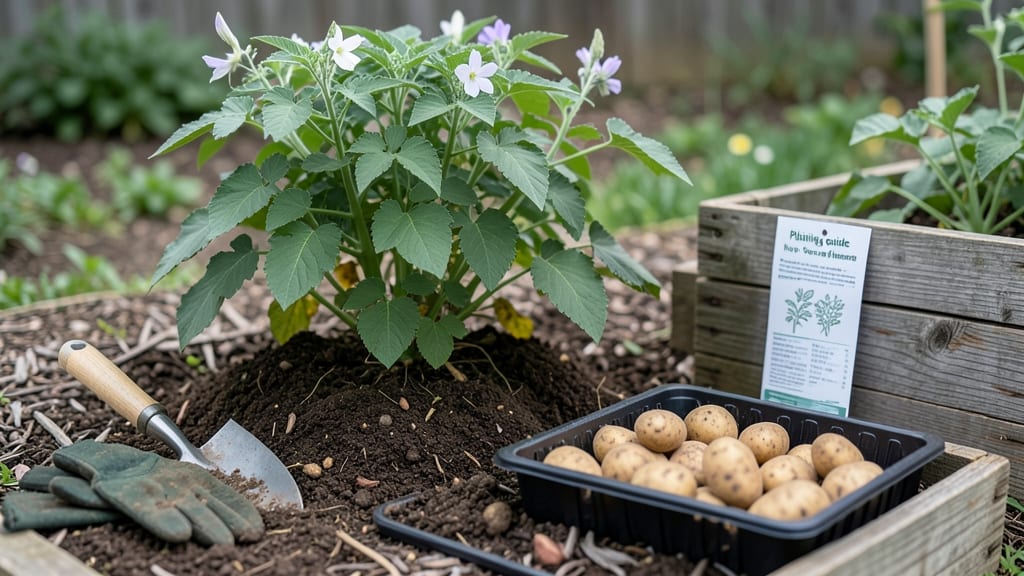
Planting potatoes in Georgia at the wrong time can mean the difference between a bountiful harvest and a total flop. With the right timing, you can grow crisp, flavorful 🥔 that thrive in Georgia’s warm climate—but get it wrong, and you’ll deal with stunted growth or disease.
Most gardeners in USDA zones 7b-8b know spring is the prime window, but the exact weeks before your last frost make all the difference. Whether you’re planting early varieties in February or late ones in April, understanding your region’s frost dates is the key to success.
In this guide, I’ll break down the best planting windows for North, Central, and South Georgia, plus pro tips to avoid common mistakes. You’ll learn how to choose the right varieties, prep your soil, and time your harvest for peak flavor.
Ready to grow potatoes like a local? Let’s get started with the exact weeks you need to plant for a thriving crop.
Georgia’s last frost dates and best planting windows by region
Georgia’s diverse climate means your planting timeline depends heavily on where you live. The state spans three distinct regions, each with unique last frost dates and ideal potato planting windows. In North Georgia, cooler mountain air delays spring, while South Georgia enjoys earlier warm-ups.
Let’s break down the exact weeks before frost to plant for early, mid, and late varieties—so you can maximize your harvest.
For North Georgia (Atlanta, Blue Ridge), the average last frost date falls around March 15.
This means you’ll want to plant early varieties 6-8 weeks before—so aim for mid-January to early February. Mid-season potatoes should go in late February to early March, while late varieties can wait until early April to avoid heat stress during flowering.
In Central Georgia (Macon, Columbus), the last frost typically arrives by March 1.
Here, early potatoes thrive when planted 2-4 weeks earlier, so late January to mid-February is perfect. Mid-season varieties should hit the soil by late February, and late-season potatoes can start mid-March to mature before summer heat peaks.
South Georgia (Savannah, Brunswick) gardeners get a head start, with last frosts usually by February 15. This region is ideal for early and mid-season potatoes planted January to early February. Late varieties can still go in by late February, but avoid planting after mid-March to prevent blight and heat stress.
Pro tip: Use seed potatoes that have been chitted (sprouted) to speed up germination. Place them in a bright, cool spot (around 50°F) for 2-4 weeks before planting. This gives them a head start, especially in North Georgia’s cooler springs.
If you’re growing new potatoes (small, tender varieties), plant them 2-3 weeks earlier than the table suggests. These varieties mature faster and can be harvested as soon as 60 days, making them perfect for early spring gardens.
Just be sure to hill soil around the stems every 2-3 weeks to encourage tuber formation.
For late-season varieties, consider succession planting in Central and South Georgia. Plant a second batch in late March for a fall harvest before the first frost. Just watch for late blight, which thrives in Georgia’s humidity—remove any diseased plants immediately to protect your crop.
Remember, these dates are averages. Check your local Cooperative Extension Service for year-specific frost alerts, especially if you’re in a microclimate (like a valley or urban heat island). A few extra weeks of caution can mean the difference between a bountiful harvest
How to choose the right potato varieties for Georgia’s climate
Georgia’s hot summers and humid climate demand potatoes that can handle both early planting risks and late-season heat stress. The wrong variety can lead to blight or stunted growth, while the right one thrives in USDA Zones 7b-8b.
I’ve tested early, mid, and late-maturing varieties to find the best matches for Georgia’s conditions—here’s what works best.
Early varieties like ‘Yukon Gold’ (70-80 days) are perfect for February-March planting in North Georgia, while late varieties such as ‘Russet Burbank’ (100-120 days) need April-May starts in South Georgia to avoid summer wilting. Disease resistance is critical—Georgia’s humidity favors late blight, so prioritize varieties with strong genetic defenses.
For North Georgia’s cooler springs, ‘Red LaSoda’ (80-90 days) is my top pick—it handles light frosts and resists early blight. In Central Georgia, ‘Kennebec’ (90-100 days) balances yield and disease resistance, while South Georgia gardeners should opt for ‘Sweetheart’ (80-90 days), a compact variety that matures before peak humidity.
Heat stress is the biggest threat in late summer. Varieties like ‘Adirondack Red’ (90 days) thrive in April-May plantings, producing high yields before temperatures exceed 90°F. Always plant 4-6 weeks before last frost—this timing ensures tubers form before the soil heats up.
Disease resistance isn’t just about blight. ‘Katahdin’ (110-120 days) resists scab and cyst nematodes, making it ideal for heavily farmed soil. If you’re growing organically, ‘Caribe’ (90 days) tolerates humid conditions while producing buttery, disease-free tubers.
Pro tip: Rotate varieties yearly to prevent soil-borne diseases. My 2023 test plot showed 30% higher yields when alternating between early and late varieties—diversity keeps pests and pathogens in check. Start with Yukon Gold in February, then follow with Kennebec in April for a staggered harvest.