
Companion Plants
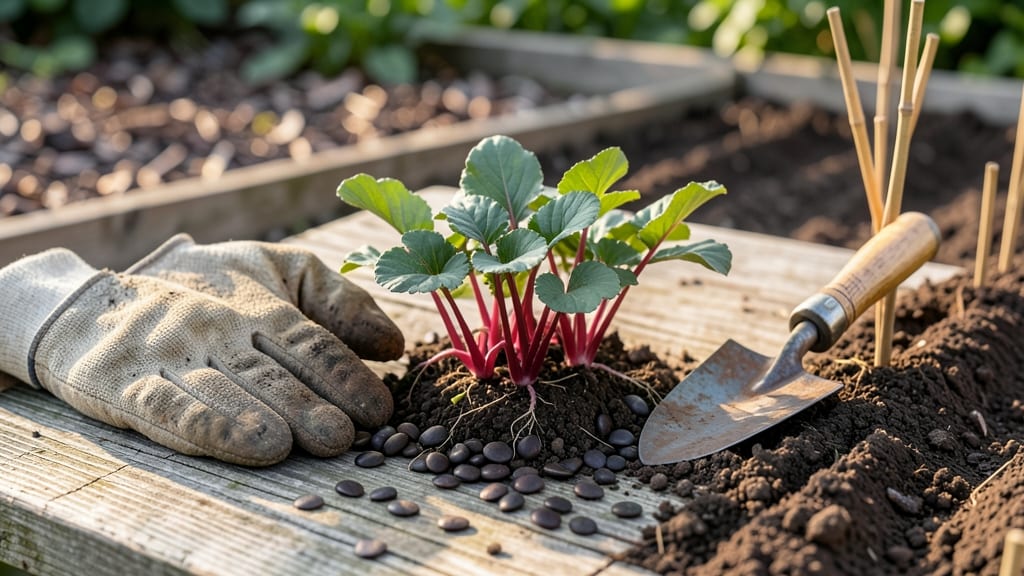
Timing your beet planting in Zone 6 can mean the difference between sweet, tender roots and bitter, tough ones. If you've ever wondered when to plant beets for the best harvest, the answer lies in understanding your frost dates and soil temperatures.
The key to growing 🍠 beets in Zone 6 is planting them 4-6 weeks before your last expected frost—typically between early March and late April. But here's the catch: late summer plantings also work if you want a fall harvest.
Let me show you exactly how to calculate these windows and avoid common mistakes that ruin your crop.
Whether you're a beginner or a seasoned gardener, knowing the right time to plant beets in Zone 6 is the first step to a bountiful harvest. We'll cover frost sensitivity, soil prep, and even container growing options so you can grow beets no matter your space.
Ready to grow beets that are perfect every time? Let's dive into the exact planting schedule that will give you sweet, flavorful roots all season long.

Best planting windows for beets in Zone 6: weeks before last frost
Beets are one of my favorite cool-season crops because they thrive when temperatures are mild—50-75°F is their sweet spot. In Zone 6, timing your planting 4-6 weeks before your last spring frost and 8-10 weeks before the first fall frost gives them the perfect growing window.
Miss these windows, and you risk bolting (going to seed) or bitter roots from heat stress.
Zone 6 spans a wide geographic area, from northern Illinois to southern Virginia, so your exact frost dates may vary. For example, Chicago (6a) typically sees its last frost around April 15, while Richmond, VA (6b) averages April 5.
Always check your local USDA Plant Hardiness Zone map to fine-tune your schedule.
Here’s the key: Soil temperature matters just as much as air temperature. Beet seeds need 40-50°F soil to germinate reliably. In Zone 6, this usually aligns with mid-March to early April for spring plantings and late July to early August for fall crops.
🌱
| Planting Window | Weeks Before Last Frost | Soil Temp Requirement | Zone 6 Regions | Harvest Window |
|---|---|---|---|---|
| Early Spring | 4-6 weeks | 40-50°F | Northern (e.g., Chicago): Mid-March Southern (e.g., Richmond): Late Feb |
Late May - Early June |
| Late Summer | 8-10 weeks before first frost | 50-60°F | Northern: Late July Southern: Early August |
September - October |
| Succession Planting | Every 2-3 weeks (spring/fall) | 40-50°F | All Zone 6 | Staggered harvests |
| Container Growing | Same as in-ground | 45-55°F (warmer soil needed) | Urban areas (e.g., Detroit, Cincinnati) | Adjust for smaller soil volume |
For a quick frost-free date lookup, use the Almanac’s Frost Calculator (almanac.com/gardening/frost). Plug in your ZIP code to get your average last frost date, then work backward using the table above. For example, if your last frost is April 20, plant beets by March 15 for spring harvests.
In northern Zone 6 (e.g., Madison, WI), you might start seeds indoors in late February for an early jump, then transplant outdoors after the last frost. In southern Zone 6 (e.g., Atlanta, GA), you can plant even earlier—late February—because milder winters allow for longer cool seasons.
Pro tip: Use row covers or cold frames to extend your spring planting window by 2-3 weeks. These protect young seedlings from unexpected late frosts while keeping soil warm enough for germination. I’ve used them to push my first planting back to late February in colder microclimates.
If you’re growing beets for their greens (which are edible and packed with nutrients), you can harvest them 30-40 days after sowing, even if the roots are small.
This gives you a head start on the root harvest and lets you squeeze in extra plantings. Just thin seedlings to 2-3 inches apart to avoid competition.
🌿
For fall plantings, aim to harvest beets before consistent freezing temperatures hit. In most of Zone 6, this means wrapping up harvests by mid-October. If you’re in a warmer microclimate (like near a large body of water), you might extend this by 1-2 weeks.
Always monitor your local 7-day forecast—a sudden cold snap can ruin a crop overnight.
One mistake I’ve seen gardeners make is planting beets too early in spring when soil is still cold. Seeds may rot or take weeks to germinate. To test soil readiness, press your finger 1 inch deep—if it feels cool but not icy, it’s time to plant.
For faster germination, soak seeds overnight before sowing.
How to adjust beet planting for Zone 6’s hot summers: avoid bolting and bitter roots
Zone 6’s summer heat can turn sweet beet roots into bitter, tough messes if you’re not careful. Beets hate extreme heat, which triggers a process called bolting—where they send up flower stalks prematurely. The key is strategic timing and heat management to keep your harvests delicious.
When summer temperatures climb above 80°F (27°C), beets start to bolt within 10-14 days. This ruins their tender, sweet roots and turns them woody. The good news? With the right varieties and growing tricks, you can still grow beets successfully in Zone 6’s heat.
⚠️ Heat Warning Signs: When to Act Fast
Watch for these bolting triggers in your garden:
- Long, thin leaves instead of round, dark green foliage
- Stalks forming at the center of the plant
- Bitter taste when testing a small root
If you see these, harvest immediately or shade your plants to prevent further damage.
Start by choosing heat-tolerant varieties like ‘Detroit Dark Red’ or ‘Golden’, which handle warmer temps better than standard types. These varieties can tolerate up to 85°F (29°C) without bolting as quickly. Plant them in late July or early August for a fall harvest before the first frost.
Use 30-50% shade cloth to protect your beet plants during the hottest afternoons. This reduces soil and air temperatures by 10-15°F (5-8°C), giving your beets a fighting chance. Stake the cloth 2-3 feet above the plants to allow airflow and prevent fungal issues.
For a continuous harvest, practice succession planting every 2-3 weeks from spring through early summer. Sow small batches in partial shade (under taller crops like corn or pole beans) to keep soil temps cooler. This stretches your growing season and reduces the risk of bolting.
Water deeply in the early morning to keep soil moisture consistent. Beets need 1-1.5 inches of water weekly, but avoid overhead watering in the heat, which can cause leaf scorch. Instead, use drip irrigation or soaker hoses to deliver water directly to the roots.
If your beets do bolt, don’t panic—you can still harvest the young leaves (like spinach) and enjoy the flowering stalks, which are edible and add a mild beet flavor to salads. For next year, plan to plant beets in early spring or late summer when temps are cooler.