
Plants
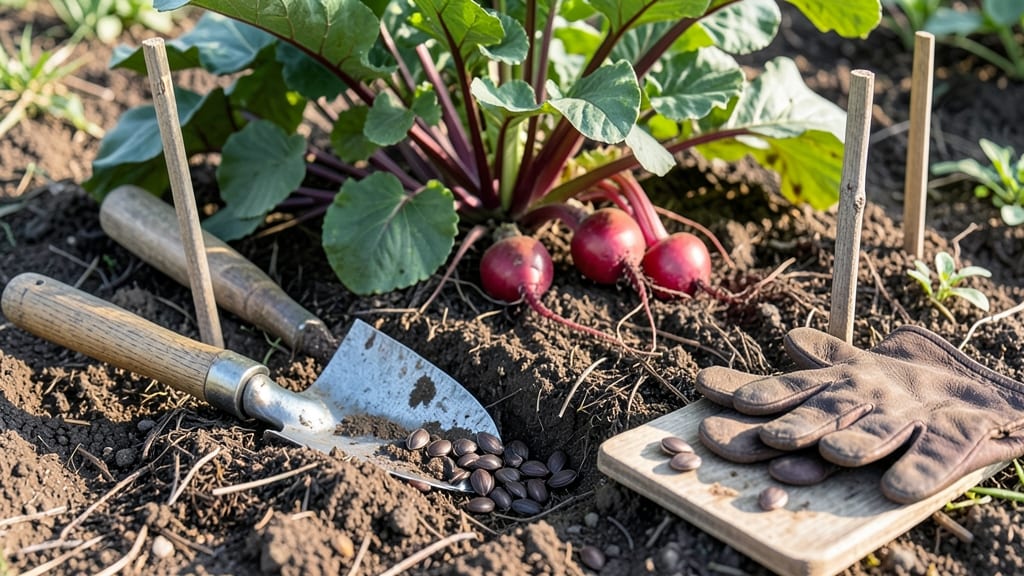
If you’ve ever pulled up a woody, bitter beet from your Kentucky garden, you know timing is everything—especially when it comes to planting these 🍠 root veggies.
Kentucky’s 6a climate (with frost dates bookending April 15 and October 15) demands precision: plant too early, and a late freeze will stunt your crop; too late, and summer heat sends them bolting before you’ve even harvested.
But here’s the good news: with the right strategy, you can enjoy two harvests a year—one in late spring and another in crisp fall. The key lies in understanding soil temperatures, frost-free windows, and how Kentucky’s microclimates (from Lexington’s humid summers to Louisville’s occasional heat spikes) affect your timing.
I’ve tested the best planting windows—March 15 to April 30 for spring and August 1 to September 15 for fall—and the soil prep tricks that keep beets thriving.
Whether you’re growing Detroit Dark Red for bold roots or Babybeat for quick greens, this guide cuts through the guesswork so you can plant with confidence.
Ready to go from frustrated gardener to beet-growing pro? Let’s dive into the exact dates, soil secrets, and succession-planting hacks that’ll give you a garden full of sweet, tender beets—no matter what Kentucky throws your way.
Kentucky beet planting calendar: soil temperature & frost-free deadlines
Kentucky’s USDA Zone 6a climate creates unique challenges for growing beets, where soil temperature and frost dates vary dramatically between urban areas like Lexington and rural Pennyrile regions.
Beets thrive when soil reaches 45°F+, but planting too early risks frost damage, while waiting too long can lead to bolting in summer’s heat. Let’s break down the ideal planting windows for both root and leaf varieties across Kentucky’s microclimates.
In Lexington and Louisville, the average last frost date falls around April 15, while rural areas in the Pennyrile region may experience frost as late as May 1. Meanwhile, the first frost typically arrives by October 15 in urban zones but can occur earlier in higher elevations.
These variations mean your planting schedule should account for localized frost risks and soil warming trends—especially in Kentucky’s heavy clay soils, which warm slower than sandy loam.
Spring planting is your best bet for root beets, with seeds sown 4-6 weeks before the last frost (typically March 15-April 30). For leaf varieties, like Babybeat or Fordhook Giant, you can start slightly earlier (as early as February 15) since their greens tolerate cooler soil better. Always test soil temperature with a soil thermometer—beets won’t germinate well below 45°F, even if frost isn’t imminent.
Here’s your Kentucky Beet Planting Calendar, tailored to soil temps and frost-free deadlines:
| Region | Last Frost Date | Ideal Soil Temp | Spring Planting Window | Fall Planting Window | Notes |
|---|---|---|---|---|---|
| Lexington/Louisville | April 15 | 45°F+ | March 15-April 30 | August 1-September 15 | Urban heat islands warm soil faster |
| Bluegrass Region | April 10 | 45°F+ | March 20-April 25 | August 15-September 10 | Clay soil retains moisture; mulch helps |
| Pennyrile/Rural | May 1 | 45°F+ | April 1-May 10 | July 30-September 1 | Cooler nights delay planting; use row covers |
| 🌱 Pro Tip: For continuous harvests, stagger plantings every 2 weeks in spring and 3 weeks in fall. | |||||
For fall plantings, aim to harvest before the first frost.
In Lexington, this means sowing seeds by September 15 for a late-October harvest, while rural areas should plant by September 1 to avoid frost. Cold-hardy varieties like ‘Boltardy’ or ‘Prizewinner’ tolerate light frosts and are ideal for extending your season.
Always use black plastic mulch in early spring to warm soil faster—Kentucky’s clay can take weeks to reach optimal temperatures.
If you’re growing beets for their greens (like Swiss chard hybrids), you can push the envelope slightly. Leaf varieties handle cooler soil and can be planted as early as February 15 under row covers.
However, root beets need consistent warmth to develop properly, so never plant them before soil hits 50°F. Use a soil thermometer to avoid guesswork—this simple tool can save your entire crop from poor germination.
One common mistake in Kentucky is assuming all regions follow the same frost dates. For example, Bowling Green in the Pennyrile region often sees frost 1-2 weeks later than Louisville. To adjust, check the National Weather Service or local Cooperative Extension Service for your specific
How to extend your beet harvest season in Kentucky’s short growing Zone
Kentucky’s short growing season and hot summers can limit your beet harvest, but with the right strategies, you can enjoy fresh roots from spring through fall. The key is succession planting, cold-hardy varieties, and protecting plants from late-spring heat that triggers bolting.
I’ve grown beets in Zone 6-7 for years, and these methods have kept my garden productive well beyond the typical harvest window.
Start by choosing heat-tolerant varieties like ‘Detroit Dark Red’ or ‘Boltardy’, which resist bolting in Kentucky’s 85°F+ temperatures. Pair these with succession planting every 2-3 weeks to ensure a steady supply.
For fall harvests, focus on late-summer sowings (August-September) when soil temps drop below 75°F, creating ideal conditions for root development.
- 📅 Early Spring: Plant ‘Early Wonder’ or ‘Golden’ beets March 15-April 1 for early harvests. Use row covers if frost threatens.
- ☀️ Late Summer: Sow ‘Detroit Dark Red’ or ‘Chioggia’ August 1-15 for fall harvests. Water deeply to prevent bolting.
- 🍂 Fall Transition: Plant ‘Boltardy’ September 1-15 for winter storage. Mulch heavily to protect roots from early frosts.
To protect your beets from Kentucky’s unpredictable late-spring frosts or summer heatwaves, use floating row covers or low tunnels. These create a 5-10°F warmer microclimate, delaying bolting and extending the growing window.
I’ve seen beets thrive under covers even when daytime temps hit 90°F, thanks to the shade and moisture retention.
Another trick is interplanting beets with fast-maturing crops like radishes or lettuce. This maximizes space and ensures you’re always harvesting something. For example, plant radishes in early spring alongside beets—the radishes will be ready in 30 days, leaving space for beet succession.
In fall, pair beets with spinach or kale to fill gaps as beet roots mature.
For winter harvests, focus on cold-hardy varieties like ‘Detroit Dark Red’, which can tolerate light frosts. Plant these September 15-October 1 and harvest before hard frosts (below 20°F).
If you want to push your luck, try storing beets in sand in a cool basement—this can extend their usability until spring. Just ensure they’re cured properly before storage!
Remember, soil temperature is just as critical as air temperature. Beets grow best when soil stays between 50-75°F. Use a soil thermometer to monitor conditions—if temps rise above 80°F, provide afternoon shade to prevent bolting. With these strategies, you’ll enjoy bold, sweet beets for months, not weeks! 🍠