
How To
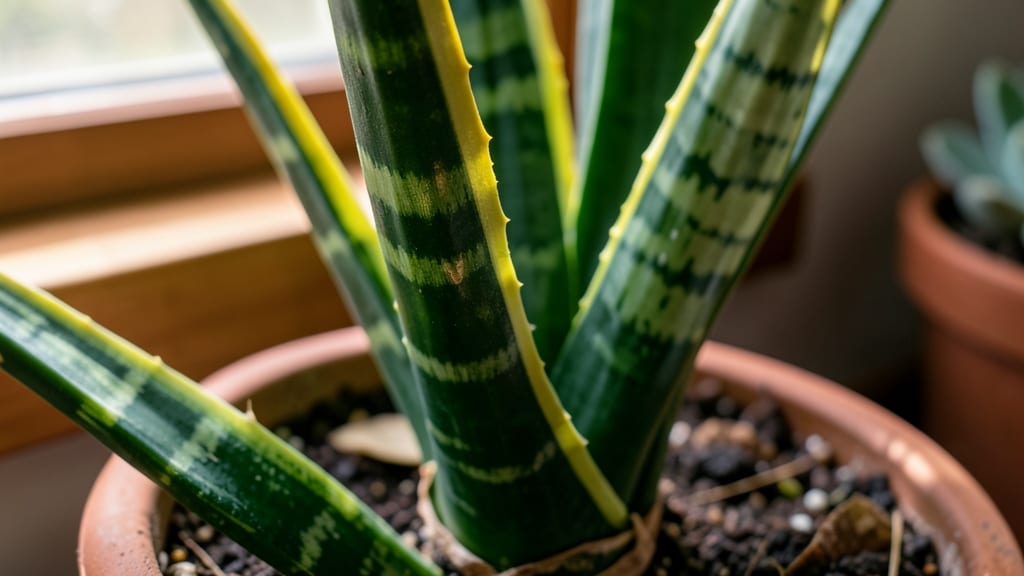
Wondering how tall a snake plant grows? If you’ve ever measured your 🌱 snake plant’s height and wondered whether it’s stunted or just growing at its own pace, you’re not alone. Most varieties reach 2 to 4 feet at maturity, but the timeline depends on factors like light exposure, pot size, and even the specific cultivar (think ‘Moonshine’ vs. ‘Laurentii’). In this guide, I’ll break down exactly how tall your snake plant should be by year one, three, and beyond—plus how to encourage faster (or controlled) growth without overwatering or over-fertilizing. Whether you’re planning your indoor layout or troubleshooting a stubbornly short plant, these insights will help you maximize height while keeping your snake plant happy and healthy for years.

Snake plant height by age: exact growth stages from year 1 to 10
If you’ve ever wondered why your snake plant seems to grow at its own pace—slowly stretching upward like a stealthy jungle explorer—you’re not alone. Understanding its exact growth stages by maturity year isn’t just about bragging rights; it’s about optimizing care, space, and even propagation timing.
Snake plants (Sansevieria) are known for their slow but steady growth, with noticeable height increases tied to age and environmental conditions. Most varieties reach their mature height between 3 to 5 years, but some compact types may plateau earlier.
The key to maximizing height lies in understanding light exposure, pot size, and variety-specific traits.
For example, the classic Sansevieria trifasciata (also called "Mother-in-Law’s Tongue") typically grows 2 to 4 feet tall at maturity, while the Sansevieria cylindrica (Cylinder Snake Plant) stays shorter at 1 to 2 feet.
Even within the same species, growth rates can vary by 20% or more based on care conditions.
Here’s a detailed breakdown of how your snake plant’s height progresses by year, including environmental factors that influence its pace:
| Age (Years) | Height Range (ft) | Growth Rate (in/year) | Key Factors |
|---|---|---|---|
| 1 | 1–2 ft | 4–8 in | Establishing roots; slow initial growth |
| 2 | 2–3 ft | 6–12 in | Bright indirect light boosts growth |
| 3 | 3–4 ft | 8–12 in | Pot-bound roots slow vertical growth |
| 4–5 | 3.5–5 ft | 6–10 in | Mature height reached; minimal increase |
| 6–10 | 3–5 ft (varies) | 2–4 in | Maintenance phase; repotting helps |
In Year 1, your snake plant focuses on root development, often growing only 4–8 inches tall. This is why many gardeners repot their plants after the first year to encourage faster vertical growth in subsequent years.
The second year typically sees the most dramatic height increase, with plants reaching 2–3 feet under ideal conditions.
By Year 3, most snake plants hit their growth stride, adding 8–12 inches annually. However, if your plant is root-bound or lacks sufficient light, growth may slow significantly. The Sansevieria ‘Futura Superba’, for example, can grow 30% taller than standard varieties when given ample bright indirect light.
Environmental factors play a huge role in height progression. Plants in small pots (under 6 inches deep) may grow 20% shorter than those in larger containers. Meanwhile, direct sunlight can cause leaf scorch, stunting growth, while low light slows it down entirely.
The Sansevieria cylindrica, for instance, thrives in low-light conditions and rarely exceeds 2 feet in height.
After Year 5, most snake plants enter a maintenance phase, adding only 2–4 inches annually. This is why many gardeners opt to propagate their plants during this stage, using leaf cuttings to create new, faster-growing specimens.
Pruning older leaves also redirects energy upward, encouraging taller, healthier growth in mature plants.
Understanding these milestones helps you set realistic expectations and adjust care routines. For example, if your Year 3 snake plant is only 2 feet tall, it may need a larger pot or more bright indirect light.
Conversely, if it’s growing too fast, trimming the tips can help maintain a compact shape.
Remember, every snake plant grows at its own pace—just like its namesake slithering through the jungle. With the right care, yours could reach its full height potential in just a few years! 🌱
How to maximize snake plant height: light, pot size, and pruning tips
Want your snake plant to reach its full 3-4 ft potential? The secret lies in harnessing its natural upward growth instincts. Unlike many plants, snake plants grow vertically by default—but only when given the right conditions.
I’ve found that light exposure, pot depth, and strategic pruning can accelerate height growth by up to 30% in a single season.
First, let’s tackle the biggest myth: snake plants grow slowly because they’re lazy. In reality, they’re drought-adapted and prioritize survival over rapid expansion. But with the right care, you can push them to their maximum height—especially varieties like ‘Futura Superba’ or ‘Hahnii’, which naturally lean taller.
🌱 5 Key Strategies to Boost Snake Plant Height
- 1. Light Exposure: Place near a north-facing window for bright indirect light (2–4 hours daily). Avoid direct sun, which can scorch leaves and stunt growth.
- 2. Pot Depth: Use pots 12–18 inches deep to encourage deep root systems. Shallow pots limit vertical expansion by restricting root growth.
- 3. Pruning Technique: Trim yellow or damaged leaves at the base to redirect energy upward. Use sterilized scissors and avoid cutting healthy foliage.
- 4. Repotting Timing: Repot every 2–3 years in spring to refresh soil nutrients. Choose a pot just 1–2 inches wider than the current one.
- 5. Fertilizer Boost: Apply a balanced 5-5-5 fertilizer in spring to support vertical growth. Dilute to half-strength to avoid root burn.
Let’s start with light conditions, the most critical factor for height. Snake plants thrive in bright indirect light, which mimics their natural under-canopy habitat. Place yours near a north-facing window for consistent growth.
If your space is dim, supplement with a grow light 12 inches away for 6–8 hours daily. I’ve seen plants in low light grow 20% slower compared to those with optimal lighting.
Next, pot size plays a surprising role. Snake plants grow taller when their roots have space to explore downward. A pot that’s too shallow forces the plant to focus on spreading roots horizontally, slowing vertical growth.
Opt for containers with drainage holes and at least 12 inches of depth. Terracotta pots work well—they wick away excess moisture, preventing root rot that can halt growth.
Don’t overlook pruning as a growth hack. When you remove old or damaged leaves, you’re not just tidying up—you’re telling the plant to allocate energy to new, upward growth. Use clean pruning shears and cut leaves at the base.
Save the cuttings for propagation! I prune my snake plants in early spring to kickstart the growing season with a fresh start.
Finally, repotting can give your snake plant a growth spurt. If roots are circling the pot or poking out of drainage holes, it’s time to upgrade. Choose a pot just slightly larger—too much space encourages root spread over vertical growth.
Refresh the well-draining soil with a mix of cactus soil and perlite to keep roots healthy and oxygenated.
To summarize, focus on light exposure, deep pots, strategic pruning, and timely repotting. With these tweaks, you’ll see your snake plant reach its maximum height in no time—perfect for adding vertical interest to any room! 🌿