
How To
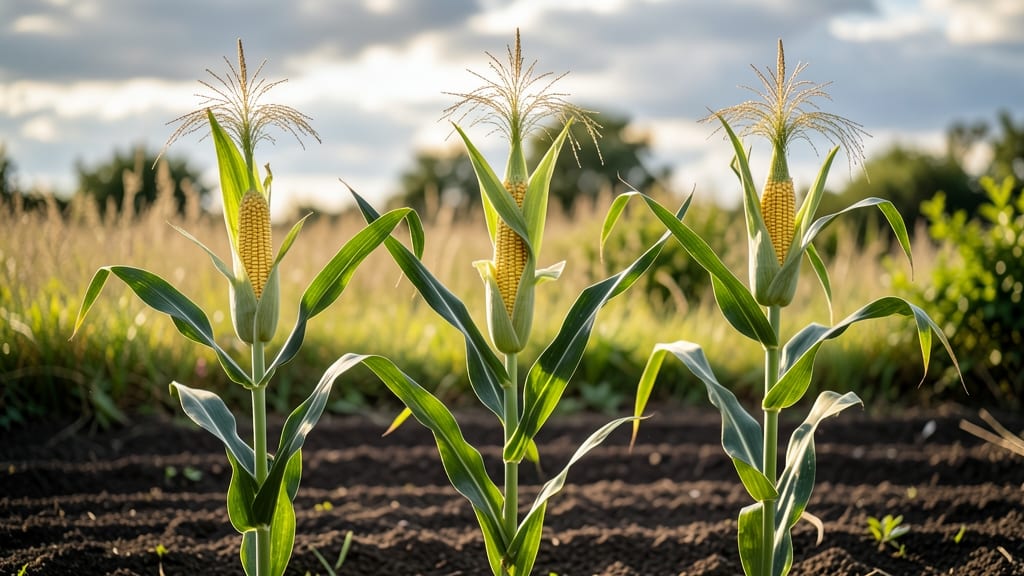
If you've ever wondered just how tall your corn plants will grow this season, the answer might surprise you—especially when comparing dwarf varieties to those towering giants that reach for the sky. 🌽 The height of corn plants can vary dramatically, from compact 3-foot varieties perfect for small gardens to 12-foot stalks that need serious support.
Knowing these differences isn't just about aesthetics; it directly impacts how you plan your garden layout, spacing, and even whether you'll need to invest in trellises or stakes.
For most gardeners in USDA Zone 6, where spring planting kicks off in April, choosing the right corn variety means balancing height with your available space.
Dwarf corn stays manageable at 3-5 feet, making it ideal for containers or tight plots, while standard sweet corn typically stretches between 6-10 feet. But here's the kicker: some ornamental varieties can even surpass 12 feet, turning your garden into a cornfield skyline. The key to success?
Understanding how height affects everything from sunlight exposure to harvestability.
What you might not realize is that corn height isn't just about genetics—growing conditions play a huge role. Poor soil, inconsistent watering, or crowded plants can stunt growth, while rich nutrients and proper spacing let your corn reach its full potential.
I've seen firsthand how a well-supported 8-foot stalk can yield ears that dwarf those from a neglected 5-footer. The good news? With the right techniques, even beginners can coax their corn to thrive.
Ready to plan your corn patch? Let's break down the height ranges by variety, the factors that influence growth, and how to support your stalks—whether you're working with a 3-foot dwarf or a 12-foot giant.
You'll leave here knowing exactly what to expect and how to make the most of your harvest.

Corn plant height by variety: dwarf to giant varieties explained
Choosing the right corn variety isn't just about taste—it's about space! Some varieties stay compact at 3 feet tall, while others reach skyward at 12 feet or more. If you're working with limited garden space, dwarf varieties like Tom Thumb are perfect.
But for a dramatic backyard feature, giant varieties like Country Gentleman will wow your neighbors. Let's explore how these heights impact your garden layout and growing strategy.
Most gardeners assume all corn plants grow tall, but that's far from true. Sweet corn varieties typically range from 5 to 10 feet, while popcorn can be even taller, sometimes exceeding 12 feet.
Even within sweet corn, there's a 3-foot difference between the shortest and tallest varieties. This variation means you can grow corn in containers, small gardens, or sprawling fields—it all depends on your variety choice.
Here's the key: height affects spacing. Tall varieties need more room to avoid shading each other, while dwarf varieties can be planted closer together. For example, a 12-foot variety needs at least 18 inches between plants, while a 4-foot dwarf can manage with just 12 inches.
Understanding these differences helps prevent overcrowding and ensures every plant gets enough sunlight for optimal growth.
Let's dive into the specifics with a comparison of popular varieties. This table breaks down mature heights, ideal growing conditions, and best uses for each type. Whether you're growing for fresh ears, popcorn, or just decorative stalks, knowing these details will help you plan your garden like a pro.
| Variety | Type | Mature Height | Days to Maturity | Best For | Spacing |
|---|---|---|---|---|---|
| Tom Thumb | Sweet Corn | 3-4 ft | 60-70 days | Containers, small gardens | 12 inches apart |
| Peaches and Cream | Sweet Corn | 5-6 ft | 70-80 days | Fresh eating, home gardens | 15 inches apart |
| Silver Queen | Sweet Corn | 6-8 ft | 80-90 days | Canning, freezing | 18 inches apart |
| Country Gentleman | Popcorn | 10-12 ft | 100-120 days | Popcorn, tall gardens | 24 inches apart |
| Glass Gem | Ornamental Corn | 7-9 ft | 90-100 days | Decorative, fall interest | 20 inches apart |
| Mystic | Sweet Corn | 8-10 ft | 85-95 days | Sweet kernels, large ears | 20 inches apart |
| Pintado | Ornamental Corn | 5-7 ft | 80-90 days | Colorful kernels, small spaces | 15 inches apart |
As you can see, ornamental corn like Glass Gem and Pintado often bridge the gap between sweet corn and popcorn in height. These varieties are perfect if you want visual appeal without sacrificing too much space.
For example, Glass Gem reaches 7-9 feet but produces stunning multicolored kernels that add a pop of color to your garden in fall.
If you're growing corn in containers or small spaces, focus on dwarf varieties like Tom Thumb. These stay under 4 feet and thrive in 5-gallon buckets or raised beds. Just remember: even dwarf varieties need full sun and well-draining soil to reach their potential height.
Without these, they may struggle to grow beyond 2-3 feet, leaving you with stunted plants.
Tall varieties like Country Gentleman popcorn or Myst
Factors that influence corn plant height: sunlight, soil, and spacing
When planning your corn garden, remember that corn height isn't just about the variety—it's heavily influenced by your growing conditions. Sunlight exposure, soil quality, and proper spacing can all push your plants to reach their full potential or leave them stunted.
For example, a standard sweet corn variety might grow 10 feet tall with ideal care, but poor conditions could reduce it to just 6 feet.
The sunlight requirement for corn is non-negotiable. Corn needs at least 6-8 hours of direct sunlight daily to develop strong stalks. Even partial shade can reduce height by 20-30%.
In my garden, I've seen tall corn varieties like 'Golden Bantam' struggle when planted near taller plants that cast shade during peak afternoon hours.
Key Factors Affecting Corn Height
- Sunlight: 6-8 hours of full sun daily maximizes growth. Less than 5 hours can stunt plants by 30% or more.
- Soil fertility: Nitrogen-rich soil (pH 6.0-7.0) promotes taller growth. Poor soil can reduce height by up to 25%.
- Spacing: 12-18 inches apart for standard varieties prevents competition, allowing full height potential. Overcrowding can reduce height by 15-20%.
- Watering: Consistent moisture (1-2 inches weekly) supports stalk strength. Drought stress can cause plants to grow 1-2 feet shorter.
- Wind exposure: Sheltered locations prevent lodging. Exposed areas can reduce height by bending stalks, limiting growth potential.
Your soil composition plays a crucial role too. Corn thrives in well-draining, fertile soil with plenty of organic matter.
I always amend my garden beds with compost or aged manure before planting to ensure my corn gets the nutrients it needs for strong stalk development. Nitrogen deficiency is a common issue that can cause yellowing leaves and stunted growth, while excessive nitrogen might boost leafy growth but weaken stalks.
Don't overlook the importance of proper spacing. Corn plants need room to breathe—literally! When planting standard corn varieties, space them 12-18 inches apart in rows that are 30-36 inches apart.
This spacing allows each plant to develop fully without competing for sunlight or nutrients. In my experience, overcrowded corn not only grows shorter but also produces smaller ears.
Finally, consistent watering is essential for maximizing corn height. Corn plants need 1-2 inches of water per week, especially during the tasseling and ear development stages.
I water my corn deeply in the morning to reduce evaporation and fungal risks. Inconsistent watering can cause uneven growth, leading to weaker stalks that may not reach their full potential height.
By paying attention to these key factors—sunlight, soil quality, spacing, and watering—you can help your corn plants reach their maximum height potential. Whether you're growing dwarf varieties for small gardens or tall corn for fresh ears, these conditions will make all the difference in your harvest. 🌽