
How To
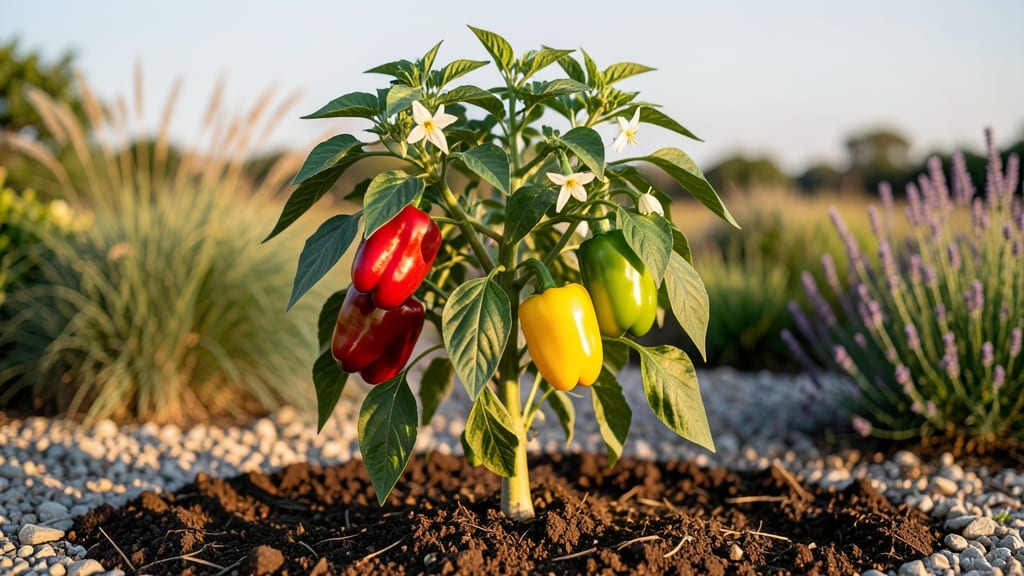
If you're planning your garden layout this spring, knowing how tall bell pepper plants grow could save you from overcrowding or wasted space. These 🌶️ versatile veggies come in surprising size variations—some stay compact enough for windowsill containers, while others stretch toward the sky like small trees.
The average bell pepper plant typically reaches 2 to 4 feet tall, but that's just the starting point. Dwarf varieties like 'Snackable' max out around 18 inches, making them perfect for small spaces, while giants like 'Mammoth' can soar to 4 feet or more if given proper support.
Your choice of variety isn't just about height—it directly affects your harvest potential and garden design.
What you might not realize is that how tall your bell peppers grow depends on more than just genetics. Sunlight exposure, pruning habits, and even your watering routine can push plants toward their maximum potential—or keep them neatly contained.
Let me show you how to work with these growth factors to get the most out of your plants, whether you're working with a tiny balcony or a sprawling backyard.
Ready to transform your garden into a pepper paradise? We'll cover everything from spacing tips for different varieties to pro tricks for encouraging (or controlling) vertical growth. Your perfect 🌶️ harvest starts with understanding these height secrets—let's get growing!

Bell pepper plant height ranges: from dwarf varieties to giant cultivars
Choosing the right bell pepper variety isn't just about flavor—it's about vertical space. Some varieties stay compact enough for container gardening, while others reach towering heights that demand careful garden planning.
Understanding these differences helps you maximize your harvest without overcrowding your plot or dealing with unruly plants spilling into walkways.
The height of a bell pepper plant depends entirely on its cultivar. Dwarf varieties like 'Snackable' max out at just 18 inches, making them perfect for balconies or small pots.
On the opposite end, giants like 'Mammoth' can stretch over 4 feet tall, requiring sturdy supports and ample room to thrive. Let's break down the three main categories so you can pick the perfect fit for your garden.
Dwarf varieties are my go-to for small-space gardens or urban balconies. They produce abundant peppers in a tight footprint, often maturing quickly enough to yield harvests by mid-summer.
The 'Snackable' variety, for example, tops out at just 18 inches but delivers sweet, bite-sized peppers perfect for snacking straight off the vine. These compact plants also make excellent choices for container gardening, thriving in 5-gallon pots with proper drainage.
Standard-height varieties strike a balance between space efficiency and productivity. Plants like 'California Wonder' reach 30–36 inches at maturity, making them ideal for in-ground beds where you can space them 18–24 inches apart.
Their upright growth habit allows for better air circulation, reducing the risk of fungal diseases like powdery mildew. I always recommend these for first-time growers—they're forgiving and produce reliable yields without requiring special supports.
For adventurous gardeners with vertical space to spare, giant varieties offer massive yields but demand more attention. The 'Mammoth' pepper can stretch over 4 feet tall, producing peppers that weigh over a pound each.
These varieties often benefit from trellising or staking to prevent sprawling and support heavy fruit loads. Just be prepared for larger spacing requirements—36 inches apart is ideal—and consider using cage supports or tomato cages to keep plants upright.
Height isn't the only factor to consider—growth habits also play a crucial role. Dwarf varieties tend to be bushier, while taller types may need pruning to encourage fruit production rather than excessive foliage.
I always recommend pinching off early flowers on young plants to redirect energy into stronger stems before letting them bloom freely. This simple trick can make a noticeable difference in both plant structure and harvest size.
Another pro tip: Sunlight exposure affects height. Taller varieties often grow more aggressively in full sun conditions (6+ hours daily), while dwarf types may become leggy if deprived of light. If you're growing in containers, rotate them regularly to ensure even sun exposure on all sides.
For indoor growers using grow lights, maintain lights 6–12 inches above the plants and adjust height as they grow to prevent stretching.
When planning your garden layout, account for future growth. A 2-foot-tall plant today could easily double in height by harvest time. Leave extra space between rows if you're growing multiple varieties, especially if some are prone to sprawling.
And remember—overcrowding leads to poor air flow, which invites pests and diseases. For container growers, choose larger pots (at least 5 gallons) to accommodate root growth and prevent nutrient deficiencies.
For those with limited space, consider vertical gardening techniques. Trellises, cages, or even hanging baskets can transform towering varieties into space-saving solutions. I've had great success growing 'Mammoth' peppers in large fabric pots hung from a pergola, freeing up ground space for other crops.
Just ensure your support structure is sturdy enough to handle the weight of mature plants and heavy fruit.
No matter which height range you choose, proper soil preparation is key. Amend your soil with compost or aged manure before planting to provide essential nutrients, and maintain consistent moisture—especially during flowering and fruiting.
A well-fed plant with adequate water will grow stronger stems and produce more peppers, regardless of its mature height.
How bell pepper height affects your garden layout and productivity
When planning your garden, the height of your bell pepper plants isn’t just about aesthetics—it directly impacts your harvest yield, sunlight exposure, and even pest management.
A dwarf variety like 'Snackable' might fit perfectly in a 5-gallon container, while a tall cultivar like 'Mammoth' could stretch over 6 feet if left unchecked. Understanding these differences lets you design a space-efficient layout that maximizes productivity, even in small yards or urban balconies.
Taller bell peppers need vertical support to prevent sprawling, which can lead to poor air circulation and disease risks. Meanwhile, shorter varieties thrive in compact containers or raised beds, making them ideal for balcony gardens or indoor growing.
The key is matching your garden layout to the plant’s mature height—whether you’re working with 2-foot dwarfs or 4-foot giants. Let’s break down how height influences your garden’s success.
- 🌱 Dwarf varieties (18–24 inches): Perfect for containers or small spaces; harvest early due to compact growth.
- 🌿 Standard varieties (24–36 inches): Ideal for in-ground beds; require 18–24 inches of spacing for airflow.
- 🌳 Tall varieties (36–48+ inches): Need trellising or caging; maximize vertical yield in small gardens.
- ☀️ Sunlight access: Taller plants may shade neighbors; prune or space accordingly for even exposure.
- 🪴 Container gardening: Dwarf types thrive in 5-gallon pots; tall types need 10+ gallons and deep roots.
- ✂️ Pruning tips: Pinch back top growth on tall varieties to encourage bushier, fruit-heavy plants.
- 🐛 Pest management: Tall plants attract aphids; use row covers or neem oil for protection.
For tall bell pepper varieties, I recommend using trellis systems or tomato cages to guide their growth upward. This not only saves space but also improves air circulation, reducing the risk of fungal diseases like powdery mildew.
A simple DIY trellis made from bamboo stakes and twine works wonders—just attach it as the plant grows to avoid damaging stems. If you’re growing in containers, opt for dwarf or semi-dwarf varieties like 'Lunchbox' or 'Patio Snack' to avoid root-bound stress.
Height also plays a crucial role in sunlight exposure. Taller plants can cast shadows on shorter neighbors, leading to uneven ripening or stunted growth.
To mitigate this, I plant my tallest varieties on the north side of the garden (in the Northern Hemisphere) or south side (Southern Hemisphere) to minimize shading. For container gardens, rotate pots weekly to ensure all sides get equal light.
Don’t overlook pest management when planning for height. Taller bell peppers are more vulnerable to aphids and spider mites because their leaves are harder to reach for inspection.
I use a knapsack sprayer with soapy water to treat infestations early, and I always check the undersides of leaves where pests love to hide. For dwarf varieties, a simple handpick of pests often suffices since they’re easier to monitor.
Pro tip: If you’re short on space, consider interplanting tall and short varieties strategically. For example, place dwarf peppers near low-growing herbs like basil, while using trellised tall peppers as a backdrop for climbing plants like cucumbers. This layered approach maximizes your garden’s productivity without sacrificing yield or aesthetics.
Remember, the height of your bell peppers isn’t set in stone—pruning and training can influence their final size. By understanding these factors, you’ll create a thriving, space-efficient garden that rewards you with a bountiful harvest, no matter how much (or little) room you have to work with. Happy gardening!