
How To
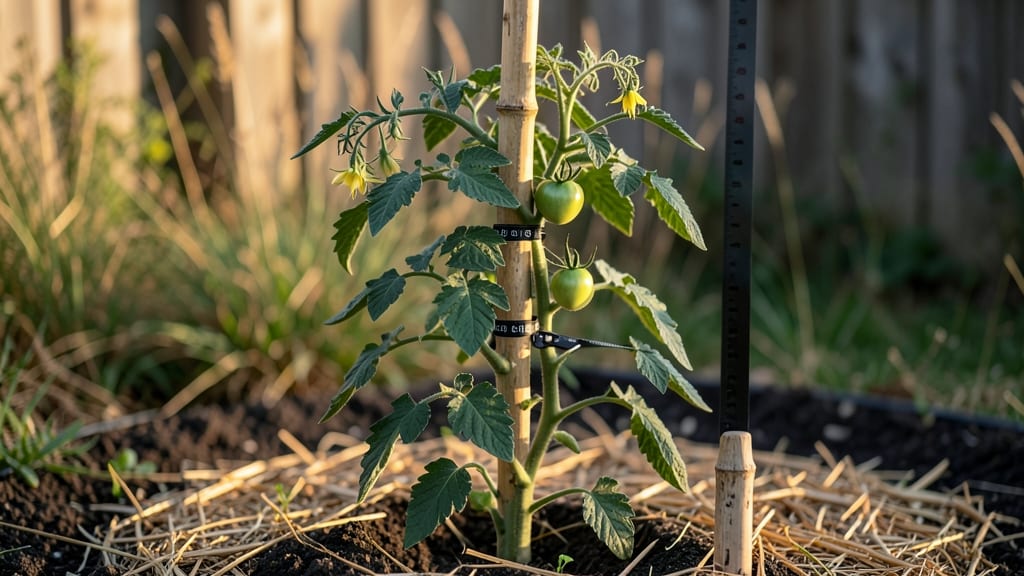
If you're wondering how tall a Roma tomato plant 🍅 can grow, the answer depends on whether you're dealing with a compact determinate variety or a sprawling indeterminate one—and your space might be the deciding factor.
Determinate Roma tomatoes typically stay between 3 and 4 feet tall, making them perfect for containers or small gardens where vertical space is limited. Indeterminate varieties, on the other hand, can reach 6 feet or more, requiring trellises or stakes to keep them under control.
The right variety and proper care can mean the difference between a manageable bush and a towering vine.
Whether you're working with a balcony pot or a backyard plot, understanding these growth patterns helps you plan for success. I'll show you how to choose the right type for your space, plus space-saving tips that work for both containers and larger gardens.
From pruning techniques to companion planting, you'll discover how to keep your Roma tomatoes productive without letting them take over. Let's get started!

Roma tomato plant height: standard growth ranges and determinate vs indeterminate varieties
If you're planning your Roma tomato garden, knowing how tall these plants grow is essential for space planning. Roma tomatoes come in two main growth types: determinate and indeterminate, each with distinct height ranges that impact your garden layout.
Understanding these differences helps you choose the right variety for your available space, whether it's a balcony container or a spacious backyard.
The height of a Roma tomato plant depends entirely on its growth habit. Determinate varieties typically reach 2 to 4 feet tall, making them ideal for small spaces or container gardening.
In contrast, indeterminate varieties can grow 6 feet or taller if given proper support, requiring more vertical space or trellising. This fundamental difference affects everything from pruning needs to harvest timing.
Here’s a quick comparison to help you visualize the growth differences between these two types:
| Growth Type | Mature Height | Growth Pattern | Best For | Pruning Needs |
|---|---|---|---|---|
| Determinate | 2–4 feet | Bushy, compact | Containers, small gardens | Minimal pruning |
| Indeterminate | 6+ feet | Vining, continuous growth | Trellises, large gardens | Regular pruning |
Determinate Roma tomatoes are perfect for gardeners with limited space because they produce fruit all at once, making them easier to harvest. Their compact height means you can fit more plants in a smaller area, which is especially useful for container gardening.
Varieties like 'Roma VF' or 'Plum Regal' are popular choices for this reason. These plants typically stop growing once they start fruiting, ensuring a neat, manageable size.
On the other hand, indeterminate Roma tomatoes are the vining superstars of the garden. They grow continuously throughout the season, producing fruit until the first frost. This means you’ll enjoy a steady harvest, but you’ll need to provide support structures like cages, stakes, or trellises to keep them upright.
Varieties like 'Roma Red' or 'San Marzano' fall into this category and can climb as high as 8 feet or more if given the right conditions.
Choosing between determinate and indeterminate Roma tomatoes depends on your garden’s layout and your harvesting preferences. If you’re growing in containers or small spaces, determinate varieties are your best bet.
But if you have vertical space and want a continuous supply of tomatoes, indeterminate varieties will reward you with a longer harvest season. Both types thrive in full sun and well-draining soil, so focus on providing the right support and care for your chosen variety.
Another key factor to consider is spacing requirements. Determinate plants need about 18 to 24 inches of space between them, while indeterminate varieties require 24 to 36 inches to allow for their sprawling growth.
Proper spacing ensures good air circulation, reducing the risk of diseases like blight or powdery mildew, which can stunt growth and affect plant height.
When planning your garden, think about how the height of your Roma tomatoes will interact with other plants. Tall indeterminate varieties can shade smaller plants, so place them at the back of garden beds or along fences where they can climb upward.
For containers, choose a pot that’s at least 12 inches deep and wide for determinate types, or deeper for indeterminate varieties to accommodate their root systems as they grow taller.
If you’re new to growing Roma tomatoes, start with a determinate variety to get a feel for their growth habits. They’re more forgiving for beginners and produce a bumper crop in a single season. Once you’re comfortable, you can experiment with indeterminate varieties to enjoy a prolonged harvest.
Remember, the key to managing height lies in proper pruning and support, so don’t hesitate to invest in sturdy stakes or trellises if you’re growing the taller types.
No matter which variety you choose, keeping your Roma tomatoes healthy and at their ideal height ensures a bountiful harvest.
Pay attention to their growth patterns, provide the right support, and enjoy the satisfaction of growing your own delicious tomatoes—whether they’re reaching for the sky or staying neatly contained in a pot. 🌱
Space-saving techniques for growing Roma tomatoes in containers and small gardens
Growing Roma tomatoes in limited spaces is totally doable with the right techniques. These plants thrive in containers but need smart planning to maximize yield without overwhelming your space.
The key is combining vertical growth, strategic pruning, and companion planting to create an efficient, productive garden—even on a balcony or small patio.
For determinate Roma varieties, you’ll typically see heights between 3-4 feet, while indeterminate types can climb to 6+ feet if unchecked. This makes them perfect candidates for trellising and container gardening, where you can control their growth direction and space usage.
Let’s explore how to make the most of your growing area without sacrificing those sweet, plump Roma tomatoes.
- Choose 5-gallon containers for determinate Roma tomatoes (3-4 ft tall) to ensure adequate root space and stability.
- Opt for indeterminate varieties in 7-10 gallon containers if you plan to trellis them, allowing roots to spread while directing growth upward.
- Install a trellis or cage early—within 2 weeks of transplanting—to train vines upward, saving 70% of ground space compared to bush growth.
- Prune suckers (side shoots) regularly to redirect energy to fruit production and maintain a compact shape.
- Plant basil or marigolds nearby to deter pests and improve air circulation, reducing disease risk in tight spaces.
When selecting containers, prioritize depth and drainage. 5-gallon fabric pots work well for determinate Roma tomatoes, while larger 10-gallon ceramic containers accommodate indeterminate varieties. Ensure each container has drainage holes to prevent root rot, which can stunt growth and reduce yield.
Elevate containers slightly to improve airflow around the base, further preventing fungal issues.
Trellising is a game-changer for space-saving. Use a tomato cage or sturdy trellis to guide vines upward, freeing up valuable ground space for other plants. For indeterminate varieties, prune the main stem to 3-4 feet tall and remove side shoots to encourage a single, strong central leader.
This method can increase yield by 20-30% while keeping your garden tidy and organized.
Companion planting is another clever trick to maximize space and productivity. Pair your Roma tomatoes with basil, which repels pests like thrips and whiteflies, or marigolds to deter nematodes. Avoid planting near corn or fennel, as they can stunt tomato growth.
In small gardens, interplant fast-growing crops like lettuce or radishes around the base of your tomato containers to utilize space efficiently.
Finally, don’t overlook the power of pruning and pinching. Regularly remove lower leaves to improve airflow and reduce disease risk, and pinch off suckers (the small shoots that form in the leaf axils) to maintain a manageable plant size.
With these space-saving techniques, you’ll enjoy a bountiful harvest of Roma tomatoes—even in the smallest of gardens.