
How To
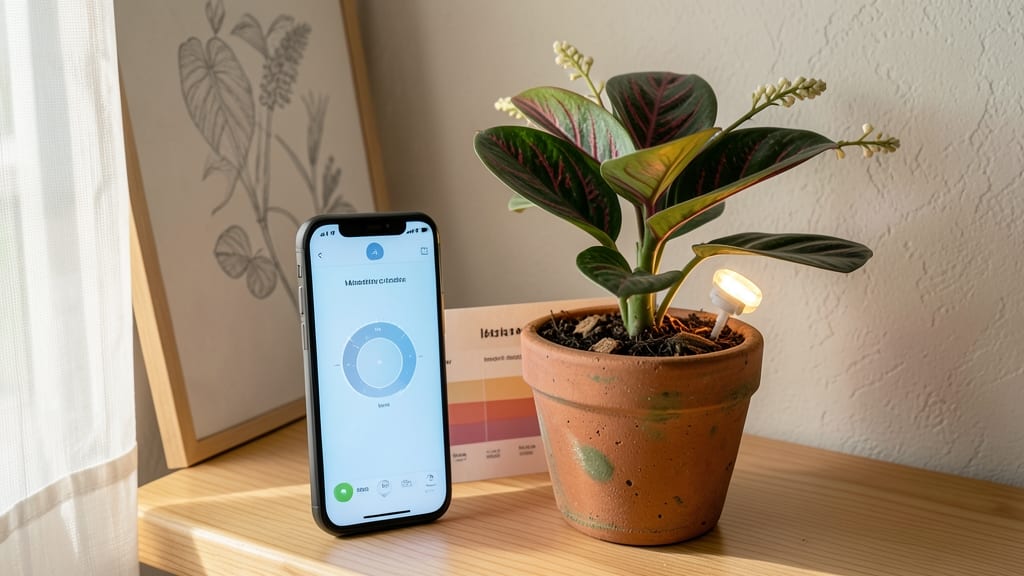
If you're wondering how much light does a prayer plant need, the answer is simple: this stunning houseplant thrives in bright indirect light, but too much sun or too little can send it into a downward spiral faster than you can say "droopy leaves."
Picture this: vibrant foliage with those signature prayer-like leaves unfolding at dawn and folding at dusk. That's what happens when you nail the lighting—60% brightness is the sweet spot for most homes.
But here's the catch: direct afternoon sun will scorch those delicate leaves, while dim corners make them stretch out like they're desperate for attention.
I've helped countless plant parents revive their prayer plants by simply adjusting their placement. Whether you're dealing with a south-facing window or a shadowy corner, I'll show you exactly how to create the perfect light environment for lush, healthy growth—no guesswork required.
Let's troubleshoot those light-related issues once and for all. From leaf discoloration to stubborn legginess, you'll learn to read your plant's signals and make quick fixes that keep your prayer plant 🌿 thriving year-round.


Prayer plant light requirements: ideal brightness levels for healthy growth
If you're wondering how much light does prayer plant need, the answer starts with bright indirect light—this tropical beauty thrives in conditions that mimic its native rainforest habitat.
Too little light leads to leggy growth, while too much causes leaf scorch. The key is finding that sweet spot where your Maranta leuconeura stays vibrant and compact.
Most prayer plants perform best with 4-6 hours of indirect sunlight daily, ideally from an east-facing window where morning light is gentle. South-facing windows can work, but you’ll need to filter the light with sheer curtains to prevent harsh rays from damaging delicate foliage.
Even west-facing spots require caution—afternoon sun is often too intense.
Here’s the critical distinction: bright indirect light means your prayer plant should never receive direct midday sun. Think of it like a dappled forest floor—soft, diffused light that reaches the leaves without burning them.
This is why many growers place their plants 2-3 feet back from windows to diffuse the light naturally.
Seasonal adjustments are crucial because winter light is weaker in most climates. During shorter daylight hours, your prayer plant may show signs of light deficiency like elongated stems or muted leaf patterns.
This is when supplemental grow lights become a game-changer. A simple LED grow bulb placed 6-12 inches above the plant can mimic natural light cycles and keep your plant thriving year-round.
Watch for these leaf color changes that signal light issues: Dark green with purple undersides often means your plant is getting just enough light, while bright green or yellowing indicates too much direct sun. Brown crispy edges are a classic sign of sunburn, while pale, washed-out leaves scream for more brightness.
Pay attention to the growth pattern too—healthy prayer plants grow compact and bushy.
Pro tip: Rotate your prayer plant quarter-turn weekly to ensure even light exposure. Plants naturally grow toward light sources, so if you notice one side leaning, it’s time to adjust its position. This simple habit prevents lopsided growth and keeps those stunning prayer-like leaf movements symmetrical and eye-catching.
For those in low-light homes, don’t despair—prayer plants are highly adaptable. While they prefer bright indirect light, they can tolerate moderate indirect light (like a north-facing window) as long as you supplement with artificial lighting 12-14 hours daily.
Just avoid fluorescent bulbs—they emit too little light for optimal growth. Instead, opt for full-spectrum LED grow lights designed for houseplants.
Remember, the goal is to mimic a tropical understory. Your prayer plant’s ideal environment is bright but diffused, with consistent humidity and moderate temperatures.
When you nail the light requirements, you’ll be rewarded with bold, velvety leaves that fold upward at night—a true testament to happy plant parenting!
How to adjust light conditions for prayer plant success in different environments
Your prayer plant (Maranta leuconeura) thrives in bright indirect light, but finding the perfect spot depends on your home's layout. If your space has low natural light, don't worry—simple adjustments can keep your plant happy.
The key is understanding how to rotate plants, use supplementary lighting, and adapt to seasonal changes without causing stress.
For homes with south-facing windows, direct afternoon sun can scorch delicate leaves, while outdoor cultivation requires shade protection during peak hours. Mastering these techniques ensures your prayer plant stays vibrant year-round, whether indoors or outside. Let’s break down the best strategies for every environment.
If your home lacks natural light, grow lights are a game-changer. I recommend a full-spectrum LED bulb placed 6–8 inches above your plant for 12–14 hours daily. These mimic natural sunlight and prevent the leggy growth that occurs when plants stretch toward weak light sources.
For best results, position the light at a slight angle to encourage even growth.
South-facing windows can be tricky because direct afternoon sun often exceeds your prayer plant’s tolerance. To protect it, hang sheer white curtains to diffuse the light while still allowing brightness.
Another trick? Rotate your plant ¼ turn weekly. This ensures all sides receive equal light exposure, preventing the plant from leaning toward the window.
For outdoor enthusiasts, prayer plants can thrive outside with the right care. Place them in a spot that gets morning sun only (6 AM–12 PM) and partial shade in the afternoon.
During summer, move them to porches or under trees to avoid scorching. Just remember: never expose them to harsh midday sun, as this can cause leaf burn.
Seasonal changes also affect light exposure. In winter, days are shorter, so supplement with grow lights for 8–10 hours daily to maintain your plant’s energy levels. Meanwhile, in summer, indoor air from AC can dry out the air around your plant.
Use a humidifier or place the pot on a pebble tray to keep humidity levels ideal (60–70%).
With these adjustments, your prayer plant will stay lush and healthy, no matter where you grow it. The secret is observation and flexibility—watch your plant’s leaves, and tweak its environment as needed. A little attention goes a long way! 🌿