
Plants
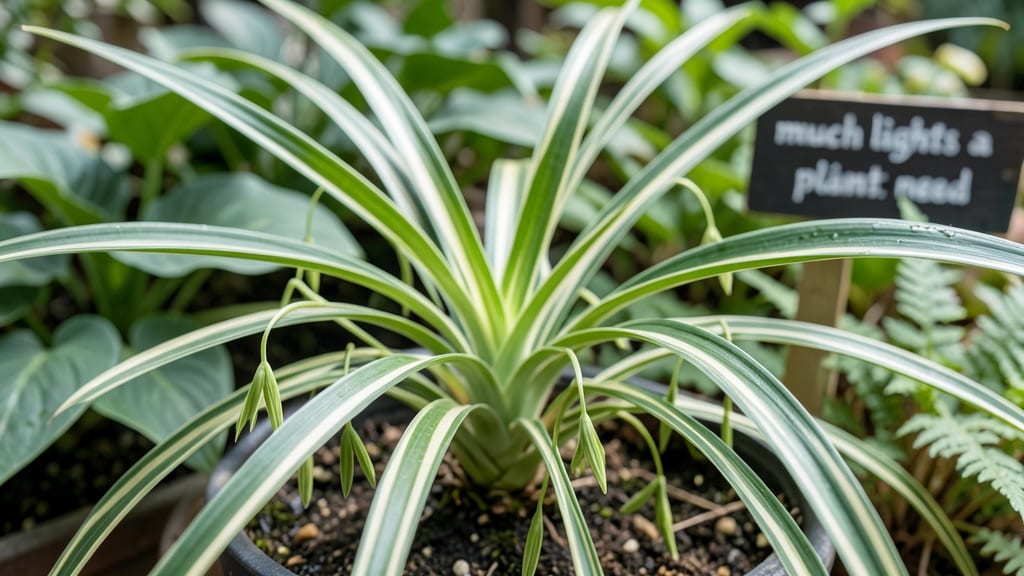
Wondering how much light your 🕷️ spider plant really needs to stay happy? The answer might surprise you—this adaptable houseplant thrives in conditions where many others would struggle, from shady corners to bright, filtered sunlight.
Too little light, and your spider plant might grow leggy or lose its vibrant variegation. Too much direct sun, and those pretty leaves can turn crispy at the edges. The key is finding that sweet spot of bright indirect light, which keeps your plant lush and productive year-round.
I’ve helped countless plant parents rescue their spider plants by adjusting their light exposure, and the results speak for themselves. Whether you’re dealing with a dim apartment or a sunroom with harsh afternoon rays, I’ll show you exactly where to place your plant for optimal growth—no guesswork required.
Let’s dive into the perfect lighting setup so your spider plant can keep producing those adorable baby spiderettes and stay as healthy as the day you brought it home.


Spider plant light requirements: ideal sunlight levels for healthy growth
Spider plants (Chlorophytum comosum) are among the most forgiving houseplants, but they still need the right light conditions to maintain their signature variegated leaves and vibrant growth.
Unlike sun-loving succulents, spider plants thrive in low to bright indirect light, making them perfect for offices, bathrooms, or shaded rooms. Too much direct sun or too little light can trigger stress—think brown tips or pale, leggy foliage.
Let’s break down the ideal light spectrum and how to spot when your plant is struggling.
The key to a healthy spider plant lies in understanding its light tolerance range. While they can survive in dim corners, their growth rate and leaf variegation (the striped patterns) suffer without enough brightness. On the flip side, harsh afternoon sun can scorch leaves, turning them yellow or crispy.
Balancing these extremes is where the magic happens. Below, we’ll explore how different light levels affect your plant’s health, from low-light survival to optimal bright indirect light.
| Light Level | Ideal Placement | Growth Impact | Signs of Stress |
|---|---|---|---|
| Low Light (<10,000 lux) | North-facing windows, shaded rooms, or 6+ feet from windows | Slow growth, pale variegation, leggy stems | Brown tips, sparse spiderettes |
| Medium Light (10,000–20,000 lux) | East/west-facing windows, 2–4 feet from windows | Balanced growth, vibrant variegation, frequent spiderettes | Minimal stress; ideal for most homes |
| Bright Indirect Light (20,000–30,000 lux) | 2–3 feet from south-facing windows (with sheer curtain) | Fast growth, bold variegation, lush foliage | None (if no direct sun exposure) |
| Direct Sun (>30,000 lux) | South-facing windows without shade, outdoor full sun | Stunted growth, leaf burn | Yellow/brown patches, crispy edges |
In low-light conditions, spider plants become survivalists rather than showstoppers. You’ll notice their leaves stretching toward any available light—a condition called etiolation—and the variegation fades to a dull green. The plant may also produce fewer spiderettes (the cute baby plants that dangle from the ends of stems).
If your spider plant is in a dim corner, consider moving it closer to a window or supplementing with a grow light for 6–8 hours daily.
For medium light, which most homes naturally provide, your spider plant will reward you with vibrant striped leaves and rapid growth. This is the sweet spot for spider plants, where they produce abundant spiderettes and maintain a compact, bushy shape.
Place your plant 2–4 feet away from an east- or west-facing window to avoid the harshest afternoon rays. If you notice leaves leaning toward the light, gently rotate the pot every few weeks to encourage even growth.
When it comes to bright indirect light, think of it as the plant’s golden hour. Position your spider plant 2–3 feet from a south-facing window, but always use a sheer curtain to diffuse the sun.
In these conditions, your plant will develop bold variegation, grow taller, and produce more spiderettes. The key is avoiding direct sunlight, which can cause leaf burn—look for white or yellow patches as warning signs. A north-facing window is another great option for bright indirect light year-round.
Outdoor gardeners can also grow spider plants, but they require partial shade to thrive. Direct afternoon sun will scorch leaves, so plant them under dappled shade from trees or on a shaded patio.
In containers, move them indoors during peak summer heat or provide afternoon shade with a lightweight shade cloth. Outdoor spider plants may also need more frequent watering, as containers dry out faster in sunlight.
One of the most common signs of light stress in spider plants is brown tips. While many assume this is due to underwatering, low humidity, or fluoride in tap water, light exposure plays a role too.
If your plant’s tips are browning in a patchy pattern (not just the edges), it’s likely getting too much direct sun. Trim the damaged tips with clean scissors and move the plant to a shadier spot.
For yellowing leaves, the issue is usually overwatering or poor drainage, but check the light first—too little light can weaken the plant, making it more susceptible to root rot.
To keep your spider plant thriving year-round, adjust its light exposure seasonally. In winter, when natural light is dimmer, move your plant closer to a window or add a LED grow light for 12 hours a day.
In summer, watch for longer daylight hours and increase shade if you notice leaves curling or developing brown spots. A simple trick is to place your spider plant on a rotating plant stand or turn the pot weekly so all sides get equal light, preventing lopsided growth.
Remember, spider plants are adaptable
How to adjust your spider plant’s light exposure for optimal results
Adjusting your spider plant's light exposure can transform a struggling plant into a lush, thriving houseplant. These plants are famously adaptable, but even they need the right balance of indirect sunlight to maintain their signature striped foliage and vibrant growth.
Start by observing your plant's current location—if the leaves are stretching toward the light or losing their variegation, it's time for a change.
The key is finding that sweet spot between too little and too much light. East-facing windows provide gentle morning sun, while north-facing windows offer consistent, soft lighting year-round.
West-facing windows can be too intense, especially in summer, so always place your plant a few feet back from the glass to diffuse the rays.
- 🌱 Low Light (500-1,000 lux): Place 3-5 feet from a north window. Growth slows, but leaves stay green. Rotate weekly to prevent lopsided growth.
- 🌿 Medium Light (1,000-3,000 lux): Ideal spot! East or north window 2-3 feet away. Leaves stay striped and compact. Perfect for most homes.
- ☀️ Bright Indirect (3,000-5,000 lux): West window with sheer curtain. Leaves may darken or lose stripes. Use a sheer curtain to diffuse harsh rays.
- ⚠️ Direct Sun (5,000+ lux): Move immediately! Leaves burn (brown/yellow patches). Relocate to filtered light ASAP to prevent permanent damage.
- 🌙 Winter Adjustments: Supplement with a grow light 6 inches away for 6-8 hours/day if natural light drops below 1,000 lux.
- 🌞 Summer Adjustments: Move 1-2 feet back from windows to avoid afternoon sun scorch. Check leaves daily for stress signs.
- ⏰ Rotate Weekly: Turn pot ¼ turn every 7 days to ensure even light exposure. Prevents leaning and promotes bushier growth.
Seasonal changes can drastically alter your plant's light needs. In winter, shorter daylight hours mean your spider plant may need a boost. If you notice pale, stretched leaves, it's a sign of insufficient light.
Place your plant near a south-facing window or invest in a LED grow light to mimic natural sunlight. Aim for 6-8 hours of light daily to keep your plant happy during darker months.
Conversely, summer can bring intense sunlight, especially in west-facing windows. If your spider plant's leaves start developing brown or yellow patches, it's a clear sign of sunburn. Move your plant to a spot with filtered light or use a sheer curtain to diffuse the rays.
A quick test: If you can hold your hand near the plant and feel warmth, it's getting too much direct sun.
Don’t forget to rotate your plant every 1-2 weeks. Even in the perfect spot, plants lean toward the light source, creating an uneven growth pattern. A simple quarter-turn keeps your spider plant balanced and encourages even foliage development.
This small habit can make a huge difference in your plant's overall health and appearance.
If you're still struggling, consider artificial lighting as a backup. Fluorescent or LED grow lights placed 6-12 inches above your plant can provide the consistent light levels your spider plant craves.
Just remember: brightness matters more than duration, so opt for a light rated at least 5,000 lux for optimal results.