
Plants
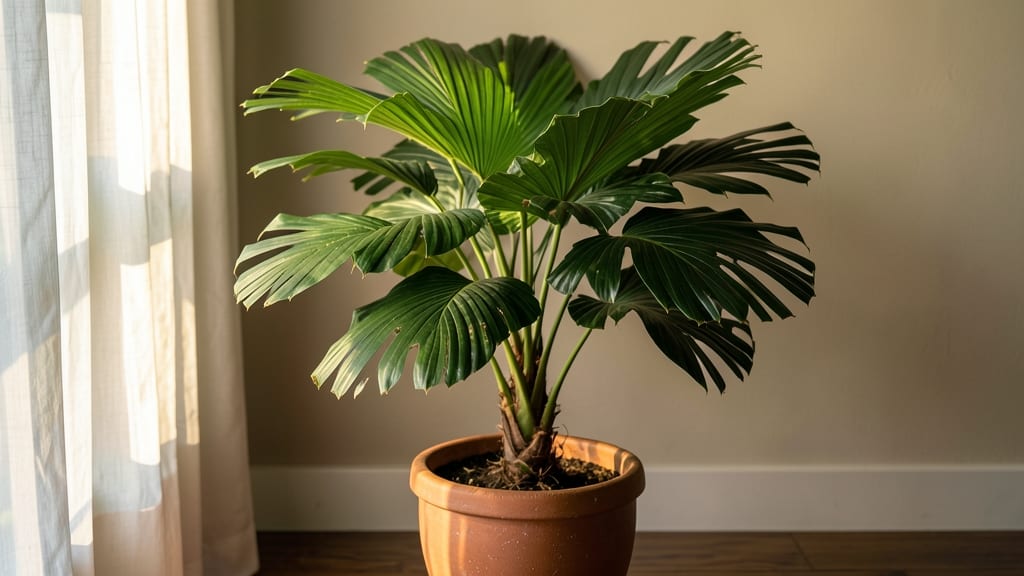
If you're wondering how much light does a palm plant need, the answer is likely tied to the most common issue I see with these tropical plants—yellowing fronds or slow growth, usually caused by lighting problems.
Too much direct sun can scorch delicate leaves, while too little light leaves them stretching weakly toward any available brightness.
Understanding exactly how much light your palm needs is the key to keeping it thriving year-round. Different varieties have unique preferences, and knowing the difference between bright indirect light and harsh afternoon sun could mean the difference between a lush, healthy plant and one that's fighting for survival.
I'll walk you through the ideal light conditions for popular palms like Areca and Kentia, whether you're growing them indoors or outdoors in zone 6. You'll learn how to spot signs of over- or under-exposure and adjust your care routine to create the perfect growing environment.
Let's get your palm the sunlight it craves—without the guesswork. With the right light, you'll see stronger fronds, faster growth, and a plant that looks like it belongs in a tropical paradise, not just your living room.


Palm plant light requirements by species: matching sunlight needs to your variety
Not all palms thrive under the same light conditions—some bask in bright indirect light, while others wilt in direct sun. Understanding your palm’s light spectrum needs is the key to preventing yellowing fronds or stunted growth.
Whether you’re growing a Majesty palm outdoors or a Parlor palm indoors, matching sunlight exposure to the species ensures vibrant, healthy foliage year-round.
Palms naturally grow in tropical and subtropical climates where light varies from dappled shade under forest canopies to full sun on coastal shores. Indoors, this translates to low-light bathrooms for some species or south-facing windows for others.
Let’s break down the sunlight spectrum—low, medium, and high light—and pair it with the most popular palm varieties to help you create the perfect growing conditions.
🌱 Low Light (100-300 ft-candles): Ideal for palms like the Kentia palm or Parlor palm, which thrive in north-facing windows or rooms far from natural light. These palms tolerate artificial grow lights for 12-14 hours daily if needed.
🌿 Medium Light (300-1,000 ft-candles): Perfect for Areca palms and Bamboo palms, which enjoy bright indirect light near east or west-facing windows. Avoid placing them in direct midday sun, which can scorch their fronds.
☀️ High Light (1,000-3,000 ft-candles): Required by Majesty palms and Coconut palms, which need 6+ hours of direct sunlight daily. These palms are best suited for outdoor patios or south-facing gardens in warmer climates.
If your palm’s fronds start turning yellow or brown, it’s often a sign of light deficiency or over-exposure. For example, a Kentia palm left in direct sun will develop crispy, brown edges, while a Majesty palm in low light may produce small, sparse fronds.
Rotate your palm quarter-turns every 2-4 weeks to ensure even growth and prevent leaning toward the light source.
For indoor palms, supplement natural light with LED grow lights (10,000-15,000K color temperature) if your space lacks sufficient brightness. Place the light 12-18 inches above the fronds and run it for 12-14 hours daily to mimic tropical daylight cycles.
This is especially helpful in north-facing rooms or during winter months when daylight is scarce.
Outdoor palms, like the Coconut palm or Pygmy Date palm, need 6+ hours of direct sunlight daily but may require afternoon shade in hot climates (Zones 9-11) to prevent heat stress. Mulch the base with organic matter to retain moisture and protect roots from temperature fluctuations.
Pro tip: Use a light meter or phone app (like Light Meter Pro) to measure foot-candles in your space. Aim for 300-1,000 ft-candles for most indoor palms and 1,000-3,000 ft-candles for outdoor varieties. Adjust placement or use sheer curtains to diffuse harsh light if needed.
Remember, patience is key—palms grow slowly, and it may take weeks to see improvements after adjusting light conditions. Monitor your palm’s response and tweak its environment as needed. With the right light spectrum, your palm will reward you with lush, vibrant fronds
How to adjust light for indoor vs. outdoor palm plants: troubleshooting common mistakes
Adjusting light for your palm plants can mean the difference between thriving fronds and struggling survival. Indoor palms often suffer from low-light stress, while outdoor varieties can get scorched by harsh midday sun. The key is understanding your palm’s species-specific needs and adapting your environment to match them.
For example, Areca palms love bright, indirect light—think east-facing windows or a few feet from a south-facing one. Meanwhile, Kentia palms thrive in low to medium light, making them perfect for north-facing rooms or shaded patios.
Misjudging these needs often leads to yellowing fronds or crispy leaf edges, which we’ll fix next.
Placing tropical palms (like Majesty or Parlor palms) in direct afternoon sun causes irreversible leaf burn. These palms need filtered light—use sheer curtains or place them 10+ feet from windows to diffuse harsh rays. Outdoor palms should never bake in 12 PM–3 PM sun without shade.
If your indoor palm’s fronds are stretching toward the light, it’s begging for more brightness. Rotate the pot quarter-turns weekly to ensure even growth, and supplement with a grow light (LED full-spectrum bulbs work best) for 12–14 hours daily
For outdoor palms, watch for brown patches on fronds—this signals sunburn, and moving them to partial shade can save them. Light adjustments also affect watering habits. Low-light palms (like Bamboo palms) need less frequent watering because they photosynthesize slower, while high-light palms (like Coconut palms) dry out faster. Always check soil moisture 2 inches down—if it’s dry, water deeply. Overwatering in low light is a common killer of indoor palms. Humidity plays a hidden role too. Indoor palms in dry air (like from HVAC systems) develop brown tips even with perfect light. Boost humidity by placing the pot on a pebble tray with water or misting fronds daily in winter. Outdoor palms in arid climates benefit from morning misting to mimic tropical conditions. Pro tip: Use a light meter app (like Light Meter Pro) to measure foot-candles in your palm’s spot. Aim for 1,000–3,000 foot-candles for most palms—anything below 500 risks etiolation (leggy, weak growth). For outdoor palms, dappled shade (like under oak trees) is ideal—it mimics their natural forest-floor habitat. 🌴