
Plants
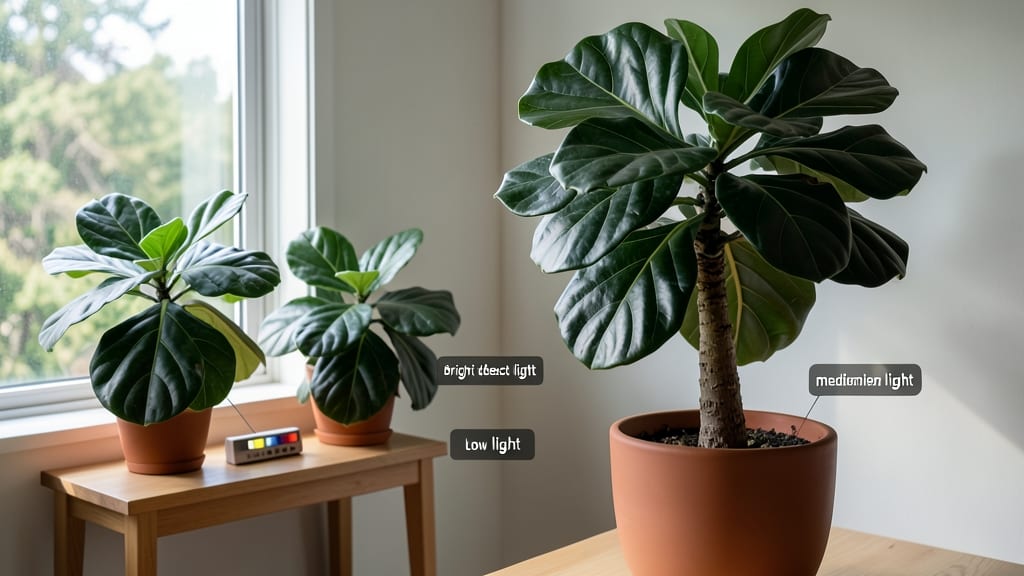
If your 🌿 ficus plant’s leaves are yellowing, drooping, or growing sparse, chances are it’s not getting how much light does a ficus plant need—and you’re not alone. Most people assume these plants thrive in bright spots, but the truth is far more nuanced.
Ficus plants actually prefer bright indirect light, which means they need enough sunlight to stay healthy without being scorched by direct rays. Too little light leads to weak growth, while too much can cause leaf burn.
The key is finding that sweet spot where your plant gets just enough energy to flourish.
In this guide, I’ll break down exactly how much light your ficus needs, whether you’re dealing with a Ficus elastica or a Ficus benjamina, and how to adjust its placement based on your home’s natural light. No more guessing—just clear, actionable tips to keep your plant lush and thriving.
Ready to transform your ficus from struggling to stunning? Let’s dive into the sunlight rules that will make all the difference for your plant’s health.


Ficus light requirements: ideal sunlight conditions for healthy growth
Ficus plants thrive when given the right balance of light, but most gardeners overcomplicate it. The truth? These tropical beauties prefer bright indirect sunlight over harsh direct rays. Too little light leads to slow growth and sparse leaves, while too much causes leaf burn and crispy edges.
Understanding your ficus’s light needs is the first step to keeping it lush and vibrant.
Not all ficus varieties have identical light requirements. For example, Ficus elastica (rubber plant) handles slightly brighter conditions than Ficus benjamina (weeping fig), which is more forgiving in low-light spaces.
Even a few hours of filtered morning sun can make a difference in your plant’s health. Let’s break down exactly what your ficus needs to thrive.
⚠️ NON-NEGOTIABLE SUMMARY: Your ficus’s light needs depend on its variety, but most prefer 10,000-15,000 lux of indirect light daily. Think of it as the equivalent of standing near a window with sheer curtains—bright enough but diffused. Here’s the breakdown:
If your ficus is near a south-facing window, it’s likely getting too much direct sunlight. You’ll notice brown patches or white spots on leaves—these are classic signs of sunburn. Move it back at least 5 feet from the glass or add a sheer curtain to diffuse the light.
I’ve seen this happen with Ficus lyrata plants in my own collection, and trust me, the difference after relocating is dramatic.
On the flip side, if your ficus is in a dark corner or only getting artificial light, it’ll start looking leggy and sparse. The leaves will stretch toward the light source, and new growth will be pale and weak.
This is your ficus begging for more brightness. Try placing it near a west-facing window or supplement with a 10,000-lux LED grow light for 12-14 hours daily.
Seasonal changes can also throw off your ficus’s light balance. In winter, when daylight is shorter, your plant may enter a dormant phase. This is normal—just reduce watering and avoid fertilizing until spring.
In summer, longer days mean more light exposure, so keep an eye out for leaf burn. If you notice the edges of leaves turning brown, it’s time to adjust its position or use a light filter.
Pro tip: Rotate your ficus every 2-4 weeks to ensure even growth. Plants lean toward their light source, which can make them look lopsided. A simple quarter-turn keeps them balanced and encourages fuller foliage.
I do this with all my ficus plants, and it’s made a noticeable difference in their shape and health over time.
For outdoor ficus plants, like Ficus microcarpa used as a small tree, monitor the transition between indoor and outdoor spaces. If you’re moving it outside in spring, acclimate it gradually over 1-2 weeks. Start with 2 hours of morning sun and slowly increase exposure.
Sudden changes can cause shock, leading to yellow leaves or leaf drop. Patience is key here—your ficus will thank you with vibrant, healthy growth.
Remember, the goal is to mimic your ficus’s natural tropical environment. In the wild, these plants grow under the
How to adjust your ficus plant’s light exposure for maximum growth
Adjusting your ficus plant’s light exposure is the key to preventing those frustrating brown tips or limp leaves. Most ficus varieties thrive in bright indirect sunlight, but they can also adapt to lower light conditions with a few smart tweaks.
The trick is gradual adjustments—no sudden moves from dim corners to sunny windowsills!
Start by observing your plant’s current location. If the leaves are pale or growing slowly, it’s likely craving more light intensity. Conversely, crispy edges or yellowing leaves signal too much direct sun.
The goal is to find that sweet spot where your ficus gets 4-6 hours of filtered light daily without harsh rays.
- Avoid direct sunlight—it causes leaf scorch and crispy edges.
- Never move a low-light ficus to bright light abruptly—this shocks the plant.
- Yellow leaves? Check for overwatering + light stress—both can mimic each other.
For gradual adjustments, rotate your ficus quarter-turn weekly to ensure even growth. Place it near a north-facing window for the gentlest light, or use sheer curtains on east or west windows to diffuse harsh afternoon rays.
If your space lacks natural light, supplement with a LED grow light 12 inches above the plant for 6-8 hours daily.
Transitioning between high and low light? Do it slowly over 2-3 weeks. Move your ficus to a shadier spot first if it’s been in bright light, or gradually increase exposure if it’s been in a dim corner.
Watch for leaf drop—this is a red flag for stress. If you see it, pause adjustments and let the plant recover for a week.
Pro tip: Dust your ficus leaves monthly—dust blocks light absorption! Use a damp microfiber cloth to gently wipe the surface. For outdoor ficus plants, bring them inside before temperatures drop below 50°F or when nights get chilly.
Sudden cold snaps can stunt growth and damage leaves, even if the light conditions are perfect.
With these adjustments, your ficus will reward you with glossy, vibrant leaves and steady growth. The key is patience—ficus plants are forgiving, but they need time to adapt. Start small, observe closely, and soon you’ll have a thriving, sun-happy plant! 🌿