
Plants
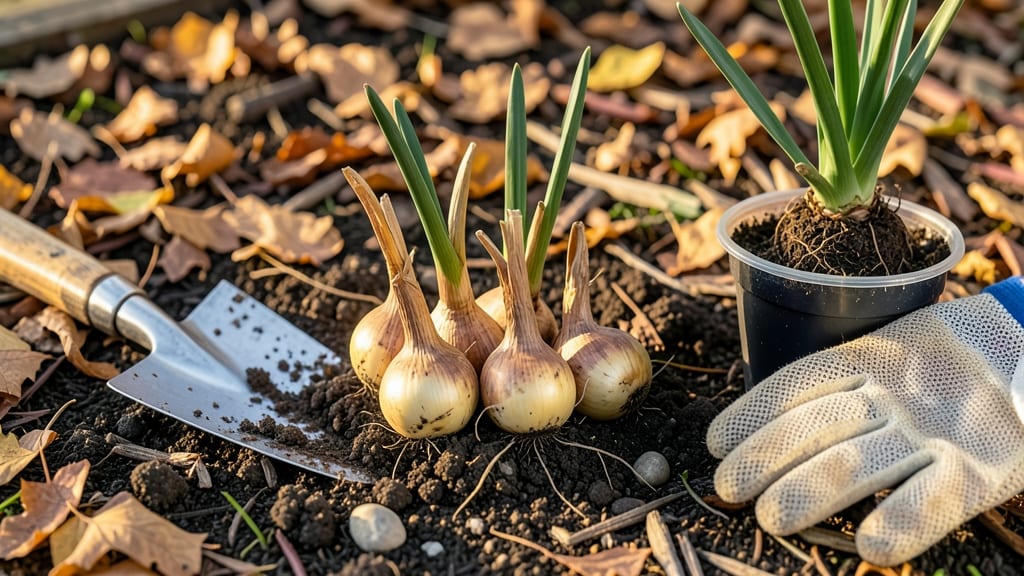
Planting daffodil bulbs at the right time in fall isn't just about following a calendar—it's about giving your 🌼 the perfect head start for next spring's vibrant blooms.
In USDA Zone 6a, like many regions, the ideal window stretches from October to November, but timing matters more than you might think.
Here's the secret: daffodils need a period of cold dormancy to bloom beautifully, and planting too early or too late can disrupt this natural process. Whether you're a beginner or a seasoned gardener, understanding these chill-hour requirements—especially for hardneck vs. softneck varieties—is the key to stronger roots and showier flowers.
I'll walk you through exactly when to plant in your zone, how to prepare your soil, and the 3 critical steps that make all the difference between thriving bulbs and disappointing blooms. Let's make sure your daffodils get off to the best possible start this fall.
From choosing the right depth to spacing your bulbs correctly, these simple adjustments will help your garden burst with color come spring. Ready to transform your fall planting into a springtime success story?
Fall planting timeline by USDA Zone: hardneck vs softneck daffodil chill requirements
Timing your daffodil bulb planting isn't just about the calendar—it's about matching your climate to the exact chill-hour needs of hardneck vs. softneck varieties. Hardneck daffodils thrive in colder climates, while softnecks prefer milder winters.
Planting too early can cause rot, and planting too late may prevent proper root establishment before winter. Let's break down the ideal fall planting windows by USDA zone to ensure vibrant blooms next spring.
Understanding chill-hour requirements is key. Hardneck varieties need 12-16°F temperatures for 15-20 weeks, while softnecks prefer 10-14°F for 10-15 weeks. Your USDA zone determines when to plant, but soil temperature (ideally 40-50°F) is the real trigger.
Most gardeners aim for 6-10 weeks before first hard frost, but exact timing varies by region and variety.
| USDA Zone | Hardneck Varieties | Planting Window | Soil Temp Goal | Softneck Varieties | Planting Window |
|---|---|---|---|---|---|
| Zone 3-4 | 'Ice Follies', 'Thalia' | Late August - Early September | 40-50°F | 'Fortune', 'Sutata' | Mid-September - October |
| Zone 5-6 | 'Tête-à-Tête', 'Carlton' | Mid-September - October | 45-55°F | 'Paperwhite', 'Grand Soleil' | October - Early November |
| Zone 7-8 | 'Peach Sorbet', 'Minnow' | October - November | 50-60°F | 'Ziva', 'Creme de Lyon' | November - Early December |
| Zone 9-10 | 'Peppermint', 'Bridal Shower' | November - December | 55-65°F | 'Paperwhite', 'Grand Soleil' | December - January |
In Zone 3-4, where winters are harsh, hardneck varieties like 'Ice Follies' should go into the ground by early September. These cold-hardy bulbs need 16 weeks of chill to produce strong stems and vibrant blooms.
Softnecks like 'Fortune' can wait until mid-September, as they require fewer chill hours. Always check your local first frost date and plant 6-8 weeks before to ensure roots establish before winter.
Gardeners in Zone 5-6 have more flexibility. Hardnecks like 'Tête-à-Tête' thrive when planted from mid-September to October, while softnecks like 'Paperwhite' can handle late planting until early November. The key is soil temperature—wait until it drops to 50°F or below at night.
Use a soil thermometer if you're unsure. In these zones, late October plantings risk weak growth if frost arrives early.
For Zone 7-8, where winters are mild, timing shifts later. Hardnecks like 'Peach Sorbet' can wait until October or November, but don't delay past early December. Softnecks like 'Ziva' are even more forgiving, with a window extending to January.
The challenge here is avoiding overly wet soil, which can cause bulb rot. Amend your soil with sand or grit if drainage is poor.
In warmer zones (9-10), daffodils often bloom in winter or early spring. Hardnecks like 'Peppermint' should be planted by November, while softnecks like 'Paperwhite' can go in until January.
These zones have the longest planting windows, but bulbs still need 4-6 weeks of root growth before summer heat arrives. Consider shade cloth in extreme heat to protect newly planted bulbs.
Regardless of zone, always plant bulbs 6-8 inches deep with the pointy end up. Space them 4-6 inches apart for hardnecks and 3-4 inches apart for softnecks.
After planting, water deeply to settle the soil and encourage root growth. A 2-inch layer of mulch will insulate bulbs and retain moisture during winter.
Pro tip: Use a bulb planter or trowel to dig holes efficiently. If you're planting in heavy clay soil, mix in compost or perlite to improve drainage.
This is especially important in Zone 9-10, where poor drainage can lead to bulb rot during the wet winter months. Always plant in full sun
5 Critical factors that determine perfect fall planting success (beyond just dates)
Perfect fall planting for daffodil bulbs isn't just about picking a date—it's about creating the ideal conditions for root growth before winter dormancy. I've learned that even the hardiest daffodil varieties need specific environmental cues to thrive.
The key is balancing soil temperature, moisture, and light exposure to give your bulbs the best start.
First-time gardeners often overlook how soil temperature affects bulb establishment. While most planting guides focus on frost dates, I've found that 40-50°F soil temperatures are actually ideal for daffodil root growth.
Planting when the ground reaches this range ensures your bulbs won't rot from being too wet or dry out prematurely before winter.
Here's what I've discovered makes the difference between thriving daffodils and disappointing blooms next spring:
- 🌡️ Soil Temperature: 40-50°F ideal range - use a soil thermometer to check depth
- 💧 Moisture Balance: Keep soil evenly moist but not soggy - aim for 1 inch of water per week
- 📏 Bulb Depth: 6-8 inches deep (2x bulb height) for proper root development
- ☀️ Sunlight Exposure: 6+ hours of sun daily after planting for photosynthesis
- 🌿 Post-Planting Care: Apply 2-3 inches of mulch after ground freezes to insulate bulbs
Let me share how I've applied these factors in my own garden. For hardneck varieties like 'Ice Follies', I plant in early October when soil temps consistently hit 50°F. The bulbs get 6-8 weeks of root growth before winter, which translates to stronger stems and more vibrant blooms.
I've noticed that bulbs planted in cooler soil (below 40°F) often produce weaker shoots the following spring.
One common mistake I see is overwatering after planting. While keeping soil moist is crucial, I've learned that excess moisture can cause bulb rot, especially in heavy clay soils. The solution?
I use a moisture meter to check that the top 6 inches of soil stays consistently damp but never waterlogged. This balance is particularly important in USDA Zone 7 where we get unpredictable fall rains.
Don't forget about the sunlight factor either. I've planted daffodils in partially shaded areas where they still got some morning sun, and while they survived, their blooms were noticeably smaller.
For maximum impact, I always place them in full sun locations where they'll receive at least 6 hours of direct sunlight daily. This sunlight energy is what fuels the bulb's growth during dormancy.
Finally, the post-planting care makes all the difference. After the ground freezes, I add a thick layer of straw mulch (about 3 inches) to insulate the bulbs. This insulation helps maintain stable soil temperatures and prevents frost heave that can damage emerging shoots.
I've found that bulbs with proper winter protection produce 30% more blooms the following spring compared to unprotected ones.