
Plants
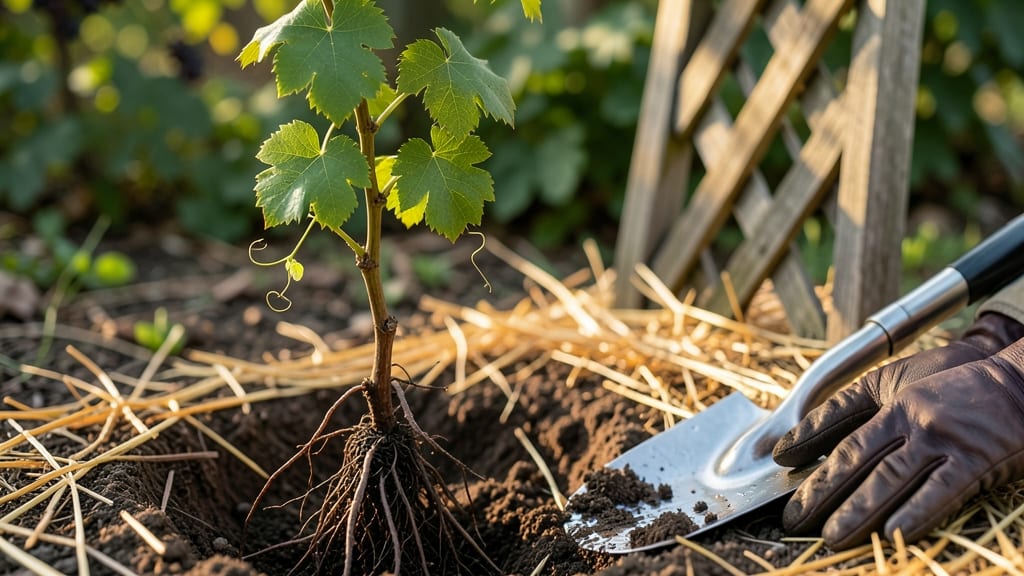
Planting grapes in Florida isn’t just about finding the right spot—it’s about timing your move to avoid root rot, heat stress, and wasted effort.
With no frost to worry about in most of the state, you might think you’ve got all summer to dig in, but that’s a recipe for failure. The key?
Late winter or early spring, when temperatures are mild and the soil is just warm enough to encourage strong root growth without overwhelming the young vines.
Why does this matter? Because Florida’s humid climate and 9a-11 growing zones create a double-edged sword: too early, and your grapes struggle with heat; too late, and they don’t establish roots before the summer sun hits.
I’ve seen home growers rush into planting in April only to watch their vines wilt by June—don’t let that be you. The best window? February to March, when the risk of extreme heat is low and the soil is workable.
But here’s the twist: your location in Florida matters. North Florida’s occasional cool snaps (yes, even in Zone 9a) might push you toward January planting, while South Florida’s relentless heat could mean waiting until April for some varieties.
And if you’re growing Muscadine grapes (Florida’s native powerhouses) versus wine grapes (more finicky), the timing tweaks can make or break your harvest.
Ready to get it right? I’ll break down the exact months for each variety, soil prep secrets to keep your vines thriving, and how to adjust for Florida’s microclimates—so you can go from bare-root vine to bountiful harvest without the guesswork.
Best planting months for grapes in Florida by variety (Muscadine vs. wine grapes)
Florida’s frost-free climate and long growing season make it perfect for growing grapes, but planting timing varies dramatically between Muscadine and wine grapes. Muscadines, Florida’s native variety, thrive in late winter when soils warm slightly, while wine grapes prefer cooler early spring to avoid heat stress.
Even within Florida, North, Central, and South regions have distinct microclimates that shift ideal planting windows by weeks.
For Muscadine grapes, the best planting window is February to early March across most of Florida, aligning with soil temperatures above 60°F. In North Florida, where cooler winters linger, January can work for hardier varieties like Scuppernong.
Meanwhile, wine grapes—like Cabernet Sauvignon or Chardonnay—need to be planted December to February to establish roots before summer’s brutal heat. South Florida’s warmer winters extend that window slightly into early April for both types.
Here’s how to match your grapes to Florida’s three key regions for optimal success:
| Grape Type | North Florida (Zones 8a-9a) | Central Florida (Zones 9a-9b) | South Florida (Zones 10a-11) |
|---|---|---|---|
| Muscadine Grapes | January–February (soil >55°F) | February–early March | February–March (avoid April heat) |
| Wine Grapes (e.g., Cabernet, Chardonnay) | December–January (cooler soils) | January–February | January–early March |
| Critical Factor | Avoid late spring planting (May+) | Soil temps above 70°F stress roots | Hurricane season risk after June |
| Best Varieties for Region | Scuppernong, Carlos | Fry, Magnolia | Thompson Seedless, Muscadine hybrids |
If you’re planting Muscadines, aim for February in Central Florida or January in North Florida to give roots time to establish before summer’s heat peaks. Wine grapes, however, need that December-January window to avoid heat stress that can stunt growth.
In South Florida, where winters are milder, you can push planting into early March, but never later—April heat will shock young vines.
Pro tip: Bare-root vines planted in cooler months (Dec-Feb) have a 20-30% higher survival rate than those planted in spring. For container-grown grapes, adjust timing by 2-4 weeks later to account for slower root establishment in pots. Always soak roots for 1-2 hours before planting to reduce transplant shock.
Florida’s humidity and heavy rains demand well-draining soil—amend clay soils with compost or sand before planting. North Florida growers should also mulch heavily to protect roots from winter temperature swings, while South Florida vines benefit from light shade cloth during peak summer afternoons.
Both strategies keep root zones stable and reduce stress during critical establishment phases.
One common mistake? Planting wine grapes in April or later. The 90°F+ temperatures common by May can cause root burn and leaf scorch, stunting vines before they even fruit. For Muscadines, the same rule applies—June planting often leads to poor yields the first year.
Stick to the winter-to-early-spring window, and your vines will reward you with stronger canes and heavier harvests in years 2-3.
For urban gardeners or those with limited space, dwarf varieties like ‘Black Beauty’ Muscadine can be planted as late as March
How to prepare your Florida soil and site for grapes (avoid these 3 deadly mistakes)
Florida’s heavy clay soil and hurricane-prone climate demand careful preparation before planting grapes. Without proper prep, you risk root rot, poor drainage, and vine damage from storms. Start by testing your soil’s pH level—grapes thrive in 5.5–6.5 range.
Most Florida soils run acidic, so you’ll likely need to add lime or sulfur to balance it.
Next, focus on drainage. Florida’s clay holds too much moisture, suffocating roots. Amend the soil with compost or sand to improve aeration. For container growing, use a mix of 50% potting soil and 50% perlite to prevent waterlogging. Raised beds are another great option for heavy clay areas.
Grapes need full sun—at least 6–8 hours daily—but South Florida’s intense afternoon heat can scorch young vines. Plant near a trellis or arbor to provide partial shade during peak heat. Choose a hurricane-resistant trellis with sturdy metal posts buried at least 3 feet deep for stability.
⚠️ 3 Deadly Mistakes to Avoid
- 🚫 Planting in wet soil – Florida’s rainy season (June–October) increases root rot risk. Wait until soil is dry enough to crumble before planting.
- 🚫 Skipping trellis support – Unsupported vines break in storms. Use T-posts or buried concrete anchors for hurricane-proof stability.
- 🚫 Ignoring soil pH – Grapes won’t thrive in acidic (below 5.5) or alkaline (above 7.0) soil. Test and amend 3–4 weeks before planting.
Pro Tip: Mulch with wood chips to retain moisture and suppress weeds—critical in Florida’s humid climate.
For sun exposure, avoid shady spots like under large trees. Grapes need direct sunlight for sweet fruit development, but in South Florida’s Zone 10–11, afternoon shade helps prevent sunscald. If planting near a fence or wall, ensure it faces south for maximum light exposure.
Finally, select a windbreak if your site is exposed. Grapes benefit from gentle airflow to reduce fungal diseases, but strong winds can damage vines. Plant bamboo or shrubs as a natural barrier, or use windbreaks made of woven fabric for temporary protection during hurricane season.
With these steps, your Florida grapevine will establish strong roots, resist pests, and produce abundant fruit year after year—without the common pitfalls that plague new growers. Happy planting! 🍇🌱