
Plants
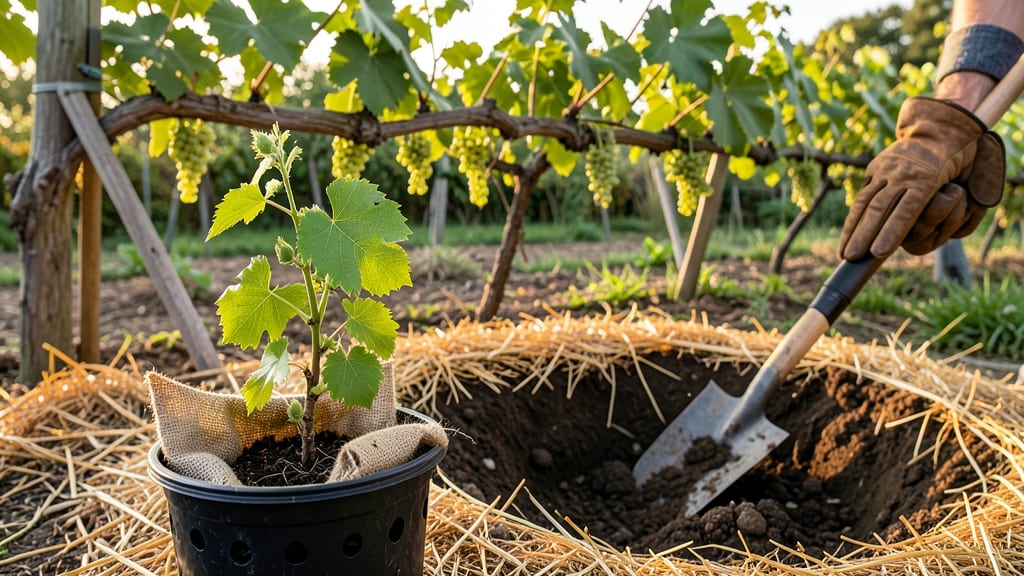
Planting grapes in Colorado isn’t just about the right month—it’s about outsmarting the state’s unpredictable frost and elevation shifts.
Whether you’re growing hardy Concord grapes or delicate Cabernet Sauvignon vines, timing your 🍇 plantings just 4-6 weeks after the last frost (typically mid-April to early May) makes all the difference between thriving vines and wasted effort.
Here’s the truth: Colorado’s microclimates—from the Front Range’s cooler springs to the Western Slope’s earlier warm-ups—mean one-size-fits-all advice won’t cut it. What works in Denver’s USDA Zone 5-6 might fail in Grand Junction’s Zone 7, where vines can push growth too fast if planted too early.
I’ll break down the exact windows for your elevation, plus how to prep soil and choose varieties that survive Colorado’s winters.
You might think spring is the only option, but fall plantings (late August to early September) can also work—if you follow the right steps. The key? Getting vines established before the first frost hits in October.
I’ll show you how to avoid common mistakes, like planting in frost pockets or skipping winter mulch, that turn promising starts into sad, frozen failures.
Ready to grow grapes that not only survive but thrive in Colorado’s tough conditions? Let’s dive into the precise planting schedule, variety picks, and care tips that’ll have your vines bursting with fruit by next summer.
Best planting Months for grapes in Colorado by elevation zone
Colorado’s dramatic elevation shifts create three distinct grape-growing zones, each with its own optimal planting window. Lowland areas (3,000–5,000 ft) enjoy longer growing seasons, while high mountain regions (7,000+ ft) demand earlier starts. Understanding these zones helps you avoid frost damage and maximize vine establishment before winter dormancy.
Timing is everything—plant 4-6 weeks after your last frost date when soil reaches 60°F+. In Colorado, this typically means late April to early May for most regions, but mountain gardeners should start as early as mid-April to account for shorter summers.
Use your local USDA hardiness zone map as a guide.
Here’s how elevation impacts your planting schedule, including variety-specific adjustments for cold-hardy grapes like Concord versus heat-loving Cabernet Franc:
| Elevation Zone | Last Frost Date | Best Planting Window | Ideal Varieties | Key Considerations |
|---|---|---|---|---|
| Lowland (3,000–5,000 ft) | Mid-April | Late April–May 15 | Cabernet Franc, Chardonnay, Thompson Seedless | Longer growing season; prioritize drought-resistant rootstocks. |
| Foothills (5,000–7,000 ft) | Late April–Early May | Early May–June 1 | Concord, Niagara, Frontenac | Watch for late spring frosts; use frost cloth for young vines. |
| Mountain (7,000+ ft) | Early–Mid May | Mid-April–May 10 | Marquette, Chambourcin, Valvin Muscat | Plant earlier for shorter season; use black plastic mulch to warm soil. |
For lowland regions, focus on heat-tolerant varieties like Cabernet Franc, which thrive in Colorado’s 100+ degree summers. These grapes benefit from deep soil preparation—amend with compost to retain moisture during dry spells.
In contrast, mountain zones should prioritize early-ripening, cold-hardy grapes like Marquette, which can survive -20°F winters.
If you’re in the foothills zone, pay close attention to late spring frosts, which can occur as late as May 15. Use a frost watch service or install a drip irrigation system to protect young vines.
For all elevations, bare-root planting in early spring gives vines a head start, while container-grown grapes can be planted slightly later (June) if kept well-watered.
Pro tip: Test your soil pH before planting—grapes prefer 6.0–6.5. In Colorado’s alkaline soils, you may need to add sulfur or peat moss to achieve the ideal range. This small step can double your yield by ensuring optimal nutrient uptake.
Remember, fall planting is risky in Colorado due to early frosts. If you miss the spring window, wait until next year—grapes planted in late summer or fall rarely survive our harsh winters.
Start your vines in a protected microclimate, like near a south-facing wall, to extend the growing season by 2–3 weeks.
For precise frost dates, check the Colorado Climate Center’s frost prediction map or use a local Cooperative Extension office. Their data is updated annually and accounts for microclimate variations like urban heat islands or cold air pockets in valleys.
With this tailored approach, your grapevines will establish strong roots before winter’s first freeze.
🍇
Top Colorado-grown grape varieties and their planting secrets
Colorado’s cold-hardy grape varieties like Frontenac and Marquette thrive in our USDA Zones 5-7, but success hinges on soil prep and timing. These hybrids withstand -20°F winters while producing juicy fruit or wine-quality grapes.
The key? Planting in late spring after the last frost and using cold-resistant rootstock like Riparia or Rupestris.
For high-altitude gardens (7,000+ ft), prioritize early-maturing varieties like Chambourcin, which ripens before early fall frosts. In lower elevations (3,000–5,000 ft), Cabernet Franc or Concord perform well with proper trellising and winter mulch.
Always amend soil with compost and sand to improve drainage—Colorado’s clay-heavy soils can suffocate roots.
When to Plant Grapes in Colorado: Spring vs. Fall
✅ Spring Planting (Recommended)
- Best Months: April–May (after last frost)
- Soil Temp: 60°F+ (use soil thermometer)
- Pros: Vines establish roots before summer heat
- Cons: Risk of late frost damage to new shoots
❌ Fall Planting (Risky)
- Best Months: September (high elevations only)
- Soil Temp: 50°F+ (roots must harden before freeze)
- Pros: Avoids spring planting rush
- Cons: Winter kill if roots don’t establish
💡 Pro Tip: Test soil 3 weeks before planting—aim for pH 6.0–6.5 with lime or sulfur amendments.
After planting, water deeply 2–3 times weekly for the first 6 weeks to encourage root growth. Use drip irrigation to keep foliage dry and prevent powdery mildew, a common Colorado issue.
In high-desert areas, mulch heavily with straw or wood chips to retain moisture and insulate roots during winter temperature swings.
Frontenac grapes, a cold-hardy hybrid, are ideal for Colorado’s Front Range due to their disease resistance and early ripening. Pair them with trellis training to maximize sunlight exposure. For wine grapes, Marquette is a top pick—its thick skins protect against harsh winds and winter desiccation.
To extend the growing season, choose heat-tolerant varieties like Chambourcin for southern Colorado, where summer heat can stress vines. Always prune in late winter to remove dead wood and open the canopy for airflow. This reduces fungal diseases and improves fruit quality.
For container gardening, opt for dwarf rootstock like 101-14 Millardet and use large pots (20+ gallons) with well-draining mix. Move containers to protected areas during winter to prevent freeze damage. With the right variety and care, your Colorado grapevines can yield abundant harvests for decades.