
Plants
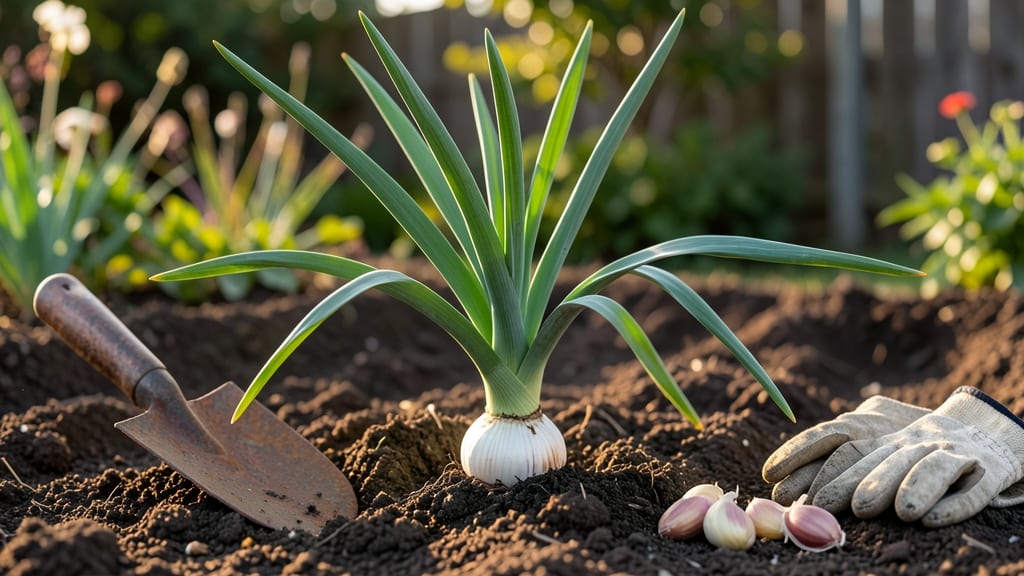
Planting garlic in South Florida isn’t just about timing—it’s about outsmarting the heat and avoiding the one mistake that ruins most homegrown harvests. With no frost to worry about, your 🧄 thrives year-round, but getting the fall window right means the difference between plump bulbs and weak, stunted growth.
Most gardeners assume cooler months mean better results, but South Florida’s 10a-11 climate flips the script. The key isn’t waiting for winter—it’s planting October through November when soil stays warm enough to encourage strong root development without triggering early bolting.
Skip this window, and you’ll end up with scraggly garlic that never matures.
Here’s the game-changer: hardneck vs. softneck varieties behave differently in Florida’s heat. Hardnecks need cooler temps to form scapes, while softnecks (like the ones you’ll find at local nurseries) stay productive in our balmy winters.
I’ll break down exactly which variety to pick and how to adjust your planting schedule based on whether you’re in Miami, Tampa, or the Keys.
Ready to grow garlic that rivals the grocery store? Let’s dive into the exact dates, soil prep hacks, and watering tricks that’ll give you a bumper crop—no frost, no fuss. Your kitchen (and taste buds) will thank you.
Optimal fall planting windows for South Florida garlic
South Florida’s frost-free winters create a unique opportunity to grow garlic year-round, but timing is everything. Unlike northern climates, where garlic needs cold dormancy, our USDA Zones 10a-11 demand a different strategy.
Plant too early, and you risk bolting (premature flowering); too late, and your bulbs won’t mature fully before summer heat. The sweet spot? A 6-8 week window between soil cooling and spring warmth.
For most of South Florida, the ideal planting window spans from mid-October through early November. This aligns with soil temperatures dropping below 80°F—the threshold where garlic cloves stop competing with heat stress.
In Miami and Naples (Zones 10b-11), you can push planting slightly later, while Tampa’s slightly cooler inland areas benefit from an earlier start.
Here’s the breakdown by variety: Hardneck garlic (like ‘Silverskin’ or ‘Creole’) thrives in cooler microclimates and should go in by October 15th. Softneck varieties (like ‘Artichoke’ or ‘California White’) are more heat-tolerant and can wait until November 1st.
The key is to have bulbs fully formed by March 1st, when daytime temps creep above 85°F.
🌱 Pro Tip: Use a soil thermometer to confirm temps are consistently below 80°F before planting. Inland areas like Tampa may hit this threshold earlier than coastal zones like Miami.
Missed the fall window? Don’t panic. You can plant garlic in January for a late-spring harvest, though bulbs will be smaller. The trade-off is avoiding summer’s 90°F+ soil temps, which stress garlic roots. For a year-round strategy, stagger plantings every 6-8 weeks—just adjust spacing to account for crowding.
Another critical factor is daylength. South Florida’s short winter days (10-11 hours) trigger garlic’s bulb-forming cycle. Plant too late, and longer spring days may cause bolting.
Aim for 6-8 weeks of 10-hour days post-planting to maximize bulb size. In Miami, this means planting by November 1st; in Tampa, by October 20th.
For organic gardeners, add well-rotted compost or aged manure to planting beds 2 weeks before sowing. Garlic in South Florida thrives in sandy loam with a pH of 6.0-7.0.
Test your soil—if it’s too acidic, mix in crushed limestone to raise the pH. Avoid fresh manure, which can burn cloves and trigger bolting.
After planting, mulch with 2-3 inches of straw to retain moisture and regulate soil temps. In coastal areas, watch for salt spray from storms—rinse beds with fresh water if you notice white deposits.
Inland gardens may face drought stress; drip irrigation is ideal to keep soil evenly moist without wetting foliage (which promotes disease).
Harvest timing is just as critical. In South Florida, garlic typically matures by April-May, but watch for
How to adjust planting for South Florida’s microclimates
South Florida’s unique microclimates create challenges—and opportunities—for garlic growers. Coastal areas like Miami experience milder winters with humidity spikes, while inland regions near Tampa face hotter, drier conditions.
These differences affect everything from shade tolerance to irrigation needs. Understanding your specific zone helps prevent bolting (premature flowering) and ensures strong bulb development.
For coastal gardens, partial shade (3-4 hours of sun) reduces stress from salt spray and high winds. Inland areas can handle full sun but need consistent moisture. The key?
Adjusting planting depth, mulch thickness, and watering schedules based on your location’s heat intensity and rainfall patterns. Let’s break down the adjustments you need to make for success.
Coastal vs. Inland Planting Adjustments
COASTAL AREAS (Miami, Key West)
- ✅ Pros: Milder winters, less bolting risk
- ✅ Pros: Higher humidity reduces watering needs
- ✅ Pros: Partial shade protects from windburn
- ❌ Cons: Salt spray may require rinsing
- ❌ Cons: More fungal risks (water leaves by noon)
- ❌ Cons: Need raised beds for poor drainage
INLAND AREAS (Tampa, Naples)
- ✅ Pros: Full sun tolerance for hardier varieties
- ✅ Pros: Less fungal pressure with drier air
- ✅ Pros: Easier to mulch for moisture retention
- ❌ Cons: Higher bolting risk in extreme heat
- ❌ Cons: Requires frequent watering in summer
- ❌ Cons: Soil may dry out faster
Organic vs. conventional planting also plays a role in microclimate adaptation. Organic methods rely on compost-rich soil and mulch to regulate temperature and moisture, which is especially critical in coastal areas where salt buildup can occur. Conventional growers might use drip irrigation for precision watering in inland heat, but both approaches need adjustments for local conditions.
In coastal zones, focus on shade-cloth (30-50% coverage) to protect garlic from salt spray and strong winds. Use organic mulch like straw to lock in moisture and prevent fungal issues.
For inland gardens, prioritize deep watering (1-2 inches weekly) and reflective mulches (like aluminum foil) to reduce soil heat. Both strategies help prevent bolting, a common issue when garlic experiences temperature swings above 85°F.
Irrigation needs vary dramatically. Coastal garlic thrives with less frequent watering (every 10-14 days) thanks to humidity, while inland plants may need weekly deep soaks to combat dry air. Always water in the early morning to minimize evaporation and fungal risks. For organic growers, fish emulsion or compost tea in October boosts bulb development without overstimulating foliage.
Finally, soil preparation differs by microclimate. Coastal gardens benefit from sand amendments to improve drainage, while inland soils often need organic matter to retain moisture. Test your soil’s pH (6.0-7.0) and adjust with lime (coastal) or sulfur (inland) as needed.
These tweaks ensure your garlic thrives regardless of whether you’re near the ocean breeze or under scorching inland sun.