
Plants
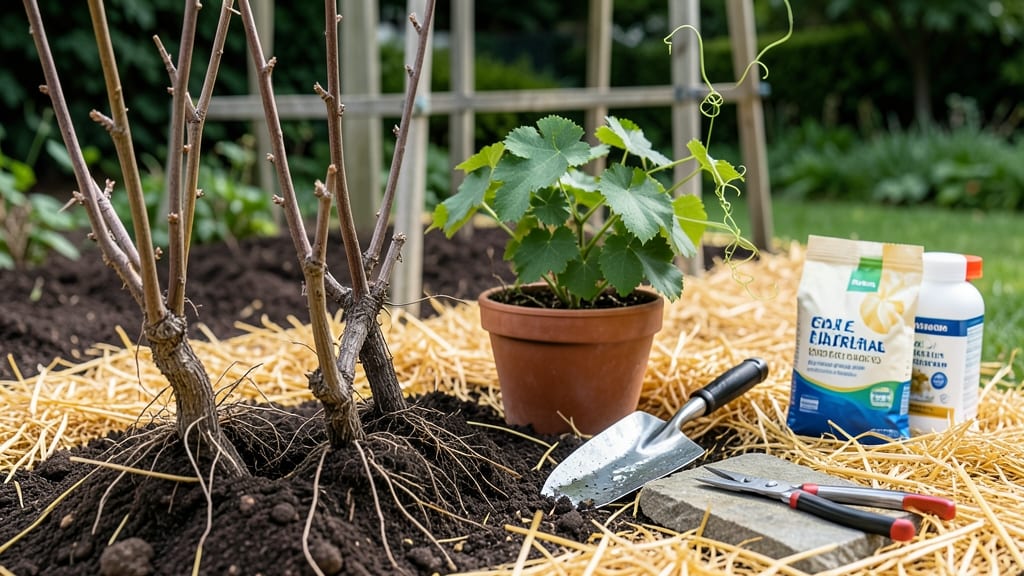
Planting grapes in California at the wrong time could mean the difference between a bountiful harvest and struggling vines that never quite take off. With the state’s diverse climate—from coastal fog to inland heat—getting the timing right is everything.
The best months to plant 🍇 depend entirely on where you live. Coastal areas like San Diego thrive with early spring plantings in February or March, while inland valleys and desert regions can start as early as December.
I’ll break down exactly when to plant based on your specific microclimate, so you can avoid common mistakes that derail new grapevines.
Whether you’re growing wine grapes, table varieties, or raisins, the right planting window ensures strong root establishment before summer heat sets in. Let’s dive into the optimal schedule for your region and the pro tips that’ll set your vines up for success.
From soil prep to frost dates, I’ll cover everything you need to know to plant your grapes at the perfect time—so you can enjoy a thriving vineyard year after year.
Best planting months for grapes in California by climate Zone
California’s three distinct climate zones—Northern, Central, and Southern—each demand different planting windows for grapes. The last frost date and microclimates (like coastal fog or inland heat) dictate when to plant for maximum success.
In Northern California, cooler temps mean earlier planting, while Southern California’s desert regions allow winter planting. Let’s break down the ideal months by zone to avoid frost damage and ensure strong root establishment.
For Northern California (USDA Zones 8-9), including areas like Napa Valley and Sonoma, the best planting window is February through early April.
This aligns with the last average frost date of February 15, giving vines time to establish before summer heat. Central California (Zones 9-10), like the San Joaquin Valley, shifts slightly later to March through May, avoiding the late-spring frost risk common in inland areas.
Meanwhile, Southern California’s desert regions (Zones 9-10) can plant as early as December through February, thanks to milder winters.
Here’s a quick comparison of the optimal planting months by region, including frost risk and microclimate notes:
In Northern California, the cooler, wetter winters make February and March the sweet spot for planting bare-root vines. The soil stays workable longer, and the risk of late frosts is minimal after February 15.
If you’re in coastal areas like Santa Barbara, you can extend planting into April, but avoid planting after May 1 to prevent summer stress during establishment.
For inland valleys, like Madera County, aim for March planting to give vines time to root before the 100°F+ summers.
Central California’s diverse microclimates require flexibility. In the San Joaquin Valley, where heat waves start by June, planting in March or early April ensures vines have 4–6 weeks of cool weather to establish roots.
Meanwhile, coastal regions like Monterey can plant as late as May due to milder summers and coastal fog that reduces heat stress. Always check your local frost maps—some inland areas (like Fresno) can still see frost into March.
Southern California’s desert regions (e.g., Palm Springs, Riverside) are unique because they can plant grapes year-round in container gardens, but bare-root planting in December or January is ideal.
The mild winter temps (rarely below 40°F) mean no frost risk, but summer heat (often 110°F+) makes planting after February risky for direct-sown vines. For container-grown grapes, you can plant anytime, but late winter gives the best balance of root establishment before summer.
One critical mistake gardeners make is planting too late in Northern or Central California, especially in inland valleys. If you plant after April 15, your vines may struggle to establish roots before the summer drought and heat stress set in.
Similarly, in Southern California, planting after March risks heat shock to young roots. Always soil-test first—grapes thrive in well-draining, slightly acidic soil (pH 5.5
How to choose the perfect planting time for your grape variety
Not all grapes thrive on the same schedule—whether you're growing wine grapes, table grapes, or raisin varieties, timing matters. Each type has unique dormancy requirements and responds differently to California’s varied microclimates.
For example, wine grapes like Cabernet Sauvignon need cooler winters to develop properly, while table grapes such as Thompson Seedless prefer warmer springs to ripen faster.
Soil preparation also shifts with the season. In cooler coastal regions, you can plant bare-root vines as early as February, but inland valleys like the Central Valley wait until March or April when soil warms.
Raisin grapes, like Sultanina, even benefit from a winter chill period to break dormancy, making late winter the ideal window for them.
- Winter (Dec–Feb): Amend soil with compost and well-rotted manure for bare-root planting.
- Spring (Mar–Apr): Test pH (6.0–6.5) and add gypsum if soil is clay-heavy.
- Summer (May–Sep): Mulch heavily to retain moisture and avoid weed competition.
For container-grown grapes, you’ve got more flexibility—plant year-round in mild coastal climates, but avoid extreme heat (above 90°F). If you’re in Southern California’s desert regions, opt for early winter planting (Dec–Jan) to capitalize on cooler temperatures and reduce water stress during summer.
Pro tip: Dormant planting (when vines are leafless) reduces transplant shock. For wine grapes, this means late winter; for table grapes, aim for early spring when buds swell but haven’t yet broken. Always prune roots by 1/3 if planting bare-root stock to encourage new growth.
One common mistake? Ignoring local frost dates. Inland valleys like Madera can still see late spring frosts, so delay planting until after April 15.
Coastal areas like Santa Barbara are safer by February 15. Use your USDA Hardiness Zone as a guide—Zone 9–11 is ideal for most California grapes.
Finally, raisin grapes need extra attention to soil drainage. Amend with sand or perlite if your soil is clay-based, and plant on a slight slope to prevent waterlogging.
With the right timing and prep, your grapes will reward you with sweeter fruit and healthier vines for years to come. 🍇