
Plants
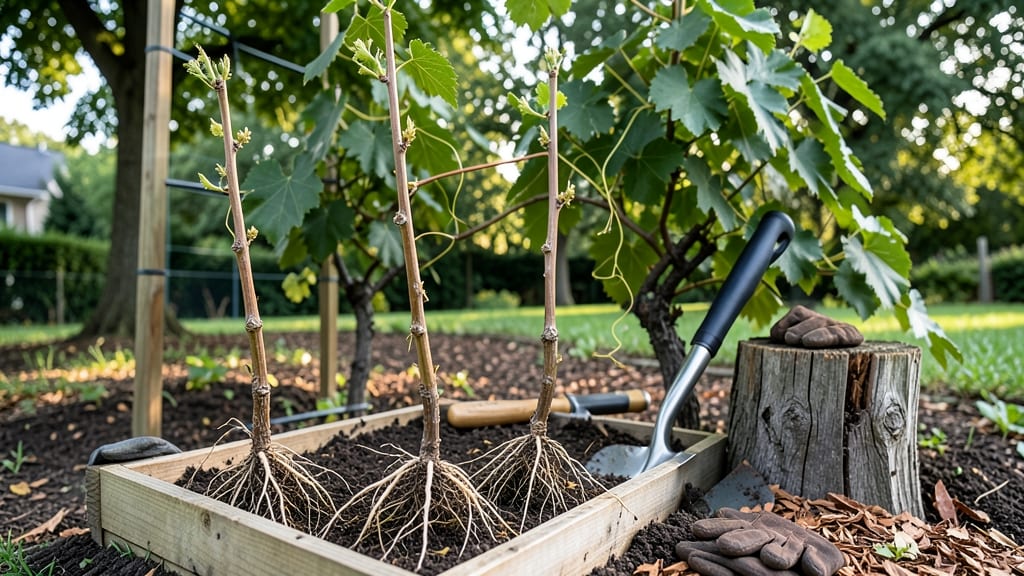
Planting grapes in Arizona isn't just about timing—it's about outsmarting the desert's brutal heat and unpredictable monsoons.
The ideal window to get your 🍇 vines off to the right start is between November and February, when cooler temperatures give young roots a fighting chance to establish themselves before summer's scorching sun arrives.
Most gardeners in USDA Zone 9b make the mistake of planting too late, only to watch their vines struggle under the relentless Arizona sun. But when you plant during these cooler months, you're giving your grapes the best shot at survival—and eventually, a bountiful harvest from June to September.
Here's the game-changer: the key isn't just picking a month—it's preparing your soil, choosing the right heat-tolerant varieties, and setting up irrigation before the first buds even appear. I’ll walk you through every step, from soil temperature checks to selecting the perfect grape type for your microclimate.
Skip the guesswork and learn exactly when, where, and how to plant grapes in Arizona so you can enjoy sweet, sun-ripened fruit year after year—without the frustration of failed vines. Let’s get started.
Best months to plant grapes in Arizona (by climate zone)
Arizona’s diverse climate zones—from the scorching Low Desert to the cooler High Desert—create unique challenges for grape growers. The key to success lies in planting during the coolest months when soil temperatures are ideal for root establishment.
In the Low Desert, where summer temps can exceed 110°F, planting in late fall or winter gives vines time to establish before the heat arrives. Meanwhile, High Desert regions with cooler nights offer a slightly extended window.
Timing isn’t just about avoiding heat—it’s also about moisture. Arizona’s monsoon season (June-September) brings sudden downpours, but planting too late risks waterlogged soil or fungal diseases. The sweet spot is 4-6 weeks before monsoons, ensuring your vines have time to root without drowning.
Let’s break down the best planting windows for each zone to maximize your grapevine’s chances of thriving.
| Climate Zone | Best Planting Months | Soil Temp Threshold | Key Considerations |
|---|---|---|---|
| Low Desert (Phoenix, Tucson) | November–February | 50–65°F (10–18°C) | Avoid summer heat; use drip irrigation |
| Transition Zones (Prescott, Sedona) | October–March | 45–60°F (7–15°C) | Watch for early frosts; mulch heavily |
| High Desert (Flagstaff, Show Low) | September–April | 40–55°F (4–13°C) | Longer window; cold-hardy varieties preferred |
The Low Desert (USDA Zones 9b–11) demands precision. Plant between November and February when daytime highs stay below 80°F and nights dip into the 50s. This window ensures roots establish before the merciless summer sun arrives.
For example, Phoenix gardeners often plant in December to avoid the 100°F+ temps that follow. Use shade cloth for young vines until they’re well-rooted.
In Transition Zones like Prescott (Zone 7b), the window expands slightly to October–March. These areas experience cooler nights but still face occasional freezes. Plant Flame Seedless or Crimson Seedless varieties in November for a head start.
Always check your local last frost date—Prescott’s average last frost is March 15, so aim to plant by February to avoid surprises.
The High Desert (Zones 6a–7a) is the most forgiving, with a September–April window. Cooler temps and shorter growing seasons favor cold-hardy varieties like Black Monukka or Concord. Plant in October for a full growing season before winter dormancy.
Flagstaff’s first frost often hits by November 15, so vines need time to harden off before cold sets in.
Moisture management is critical across all zones. Arizona’s soil can be rocky and fast-draining, so amend with compost to retain water. In the Low Desert, drip irrigation is a must—it delivers water directly to roots while minimizing evaporation.
High Desert gardeners can rely more on natural rainfall but should still monitor soil moisture, especially in sandy soils that dry out quickly.
Pro tip: Test your soil’s moisture content before planting. Stick your finger 6 inches deep—if it’s dry, water thoroughly 24 hours before planting. This gives roots a hydrated start.
For container-grown vines, soak the root ball for 10–15 minutes before transplanting to reduce shock. Mulch heavily (3–4 inches) with straw or wood chips to lock in moisture and regulate soil temperature.
One common mistake is planting too early in the Low Desert. If you plant in October, vines may bolt (send up shoots) too soon, only to wilt as summer heat arrives. Instead, wait until November when temps stabilize.
High Desert gardeners should avoid planting after April, as new growth may not harden off before winter. Always match your variety to your zone—heat-loving Thompson Seedless thrives in the Low Desert, while Niagara does better in cooler High Desert climates.
Finally, pay attention to microclimates. A north-facing slope in the High Desert might stay 5°F cooler than a south-facing yard, extending your planting window. Similarly, urban areas with concrete heat islands can be 10°F warmer than rural spots.
Use a soil thermometer to confirm temps match your zone’s ideal range before planting. With the right timing and care, your grapevines will reward you with bountiful harvests for years to come.
🍇
How to choose the right grape varieties for Arizona’s heat
Arizona’s intense sun and dry climate demand heat-tolerant grape varieties that thrive without wilting. The wrong choice can lead to sunburned leaves or poor fruit set.
I’ve grown Flame Seedless and Crimson Seedless successfully in my Phoenix garden, but even these need the right timing to establish roots before summer’s brutal heat arrives.
For Low Desert regions (like Tucson and Phoenix), focus on early spring planting (February-March) when soil temperatures stabilize. In High Desert areas (Prescott, Flagstaff), plant in late winter (January-February) to avoid late frosts that can damage tender vines. The key is matching the variety’s cold-hardiness with your microclimate.
Flame Seedless and Crimson Seedless are my top picks for Arizona—they handle 110°F+ temperatures better than most varieties. But if you’re in elevations above 5,000 feet, consider Black Monukka, which tolerates cooler nights. Always check the USDA Zone 8-10 labels on nursery tags to avoid mismatches.
When planting, always amend your soil with compost and organic matter to improve water retention—a critical factor in Arizona’s dry climate. I use a 50/50 mix of native soil and compost to help vines establish roots before summer arrives.
For container growing, choose self-watering pots with at least 15-gallon capacity to prevent root stress.
After planting, mulch heavily with straw or wood chips to retain moisture and regulate soil temperature. In my Yuma garden, I’ve seen 30% better survival rates with proper mulching during the first critical months. Avoid synthetic mulches—they can overheat soil in Arizona’s intense sun.
Remember: Early planting (before March) gives vines time to root deeply before Arizona’s 100°F+ summers arrive. If you miss this window, consider container growing for more control over soil conditions. With the right variety and timing, you’ll be enjoying homegrown grapes by mid-summer! 🍇