
Plants
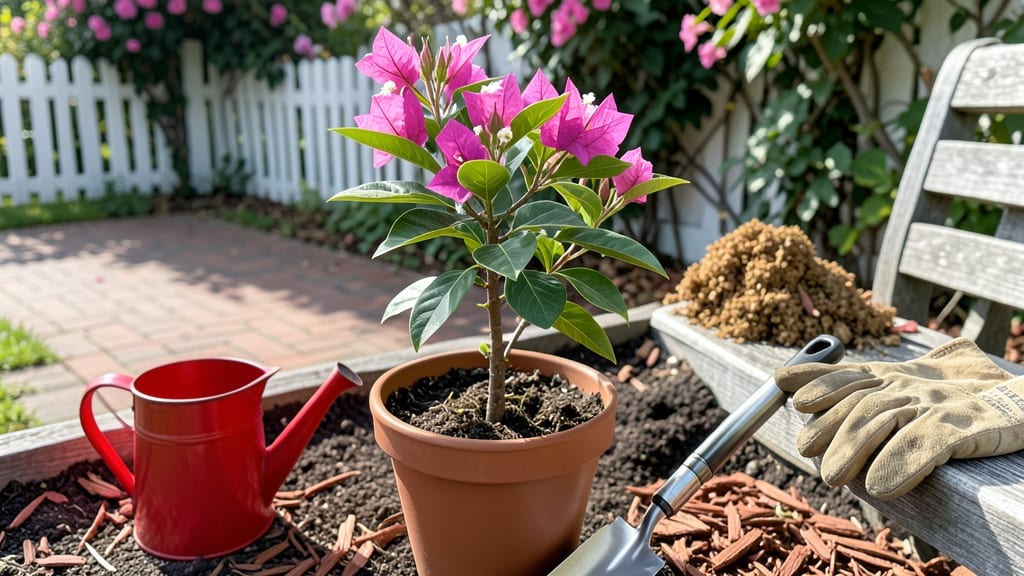
Planting bougainvillea 🌺 in Texas at the wrong time can mean the difference between a vibrant, blooming vine and a struggling plant that never reaches its full potential.
The key to success lies in understanding your region's unique climate—whether you're in North Texas with its later frost dates or South Texas where the growing season stretches longer.
Most Texas gardeners get it right by planting in February through April or September to October, but timing varies dramatically depending on whether you're in the Panhandle or the Rio Grande Valley.
I’ll break down exactly when to plant based on your specific zone, so you can avoid frost damage and give your bougainvillea the best start possible.
Once you’ve nailed the planting window, the next challenge is preparing your soil and site for Texas’s intense heat and drought conditions. Bougainvillea thrives in well-draining soil and full sun, but without the right setup, even the best timing won’t guarantee success.
In this guide, I’ll walk you through the exact steps to plant your bougainvillea at the perfect time, plus post-planting care tips—like watering schedules and pruning—to keep your vine blooming beautifully all season long. Let’s get started!
Best months to plant bougainvillea in Texas by region (north vs South vs West)
Texas's diverse climate means bougainvillea planting times vary dramatically from North Texas to the South and West. In USDA Zones 8-11, timing isn't just about seasons—it's about avoiding frost damage and heat spikes.
For example, North Texas gardeners face late frosts into March, while South Texas can plant as early as February without risk.
Bougainvillea thrives in Texas's heat, but young plants need time to establish roots before summer's intensity. The key is planting after your region's last frost date and before mid-spring heatwaves. This gives your bougainvillea 6-8 weeks of mild weather to grow strong before summer's peak.
Here's the breakdown by region with frost risk analysis and hardiness zone considerations:
| Region | USDA Zones | Last Frost Date | Best Planting Window | Key Considerations |
|---|---|---|---|---|
| North Texas (Dallas, Fort Worth, Amarillo) | 7b-8a | Mid-February to early March | February-March |
|
| Central Texas (Austin, San Antonio, Waco) | 8a-8b | Late February to early March | March-April |
|
| South Texas (Houston, Corpus Christi, Brownsville) | 9a-10a | January 15-February 1 | February-March |
|
| West Texas (El Paso, Midland, Lubbock) | 8a-8b | Mid-February to early March | February-March |
|
For North Texas gardeners, I recommend waiting until after March 15 to plant bougainvillea. The Dallas-Fort Worth area (zone 8a) sees late frosts that can kill tender young plants. If you can't wait, use frost cloth for protection during those critical first weeks.
In Central Texas, March is ideal because it gives your bougainvillea time to establish before summer's 100°F+ temperatures. Austin's caliche soil can be challenging—amend with organic matter to improve drainage. I've seen bougainvillea struggle in heavy clay unless properly prepared.
South and West Texas gardeners have the most flexibility. In Houston and Corpus Christi (zones 9a-10a), you can plant as early as January since frost is rare.
However, watch for fungal issues from spring humidity. West Texas presents unique challenges with wind and temperature swings, so choose sheltered locations.
Don't forget about fall planting! While spring is ideal, September planting works well in zones 9-10. This gives your bougainvillea time to establish roots before winter. Just be prepared for less vigorous growth compared to spring-planted specimens.
Pro tip: Use mulch around your newly planted bougainvillea to retain moisture and regulate soil temperature. In Texas's intense sun, this can mean the difference between thriving plants and heat-stressed specimens. I always use 2-3 inches of mulch for my bougainvillea.
Remember, blooming time depends on planting season. Spring-planted bougainvillea typically bloom by summer's end, while fall-planted varieties may wait until next spring. The color intensity is often brighter with proper timing and care.
How to prepare your Texas soil and site for bougainvillea planting success
Bougainvillea thrives in Texas's hot, dry climate, but its success starts with the right soil preparation. Native Texas soil is often clay-heavy and alkaline, which can suffocate roots.
Before planting, I always test my soil's drainage—bougainvillea hates soggy roots. Aim for a well-draining, slightly acidic mix (pH 6.0-7.0) to mimic its natural Brazilian habitat.
Start by amending your soil with organic matter like compost or aged manure. I mix in a 3-inch layer of compost into the top 12 inches of soil.
For heavier clay soils, add coarse sand or perlite to improve aeration. This step is critical—bougainvillea's roots need oxygen to thrive in Texas's intense heat.
Sunlight is non-negotiable for bougainvillea. Plant in a spot with at least 6 hours of direct sun daily. In Texas, this means south- or west-facing locations work best. If your yard has afternoon shade, consider container growing near a sunny patio or fence. Bougainvillea's vibrant blooms fuel from sunlight, so skimp here, and you'll get sparse flowers.
🌱 Texas Soil Prep Checklist for Bougainvillea
- 🔹 Test soil pH (aim for 6.0-7.0)
- 🔹 Amend with compost (3-inch layer)
- 🔹 Add sand/perlite to clay-heavy soils
- 🔹 Choose full-sun spot (6+ hours daily)
- 🔹 Install trellis/arbor for support
- 🔹 Mulch with gravel (retains heat, deters weeds)
Texas's intense summer heat can shock bougainvillea if not acclimated properly. Before planting, I harden off nursery plants by placing them outdoors in partial shade for 3-5 days.
This gradual transition prevents sunburn or leaf scorch. For container-grown bougainvillea, move pots to a shadier spot during peak afternoon heat (12 PM–3 PM) for the first week.
Bougainvillea's drought tolerance is legendary, but young plants need consistent moisture. After planting, water deeply 2-3 times per week for the first month to encourage root growth. Once established, reduce to weekly deep waterings. In Texas, I always water in the morning to prevent fungal issues from evening humidity.
Finally, bougainvillea loves to climb, so install a trellis, arbor, or fence before planting. I use metal or wooden supports treated for outdoor use. For ground covers, plant bougainvillea near walls or pergolas to create natural shade.
With the right soil and site prep, your bougainvillea will burst into color all summer long.