
Plants
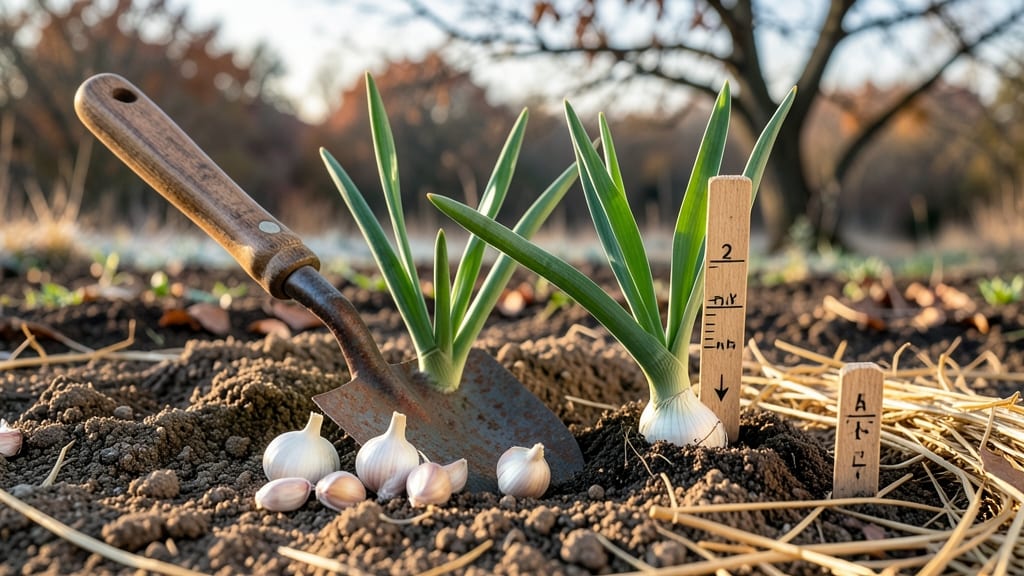
Planting garlic in Zone 5a at the wrong time could mean the difference between a flavorful harvest and a wasted season. The key to growing 🧄 that thrives in cold climates starts with timing—specifically, getting those cloves in the ground 4–6 weeks before the first frost.
Fall planting is your best bet in Zone 5a, where temperatures drop early and winters linger. When you plant garlic too late or too early, you risk stunted growth or even bulb rot. I’ve seen gardeners miss this window and end up with tiny, weak plants that never mature properly.
But here’s the good news: with the right variety and a little preparation, you can grow hardy garlic that overwinters beautifully. Whether you’re a beginner or a seasoned gardener, mastering this timing will give you plump, flavorful bulbs ready for mid-summer harvest.
Let’s break down exactly when to plant, which varieties work best in Zone 5a, and how to adjust if your season runs late. You’ll leave here with a clear deadline—and the confidence to grow garlic like a pro.

Best planting dates for garlic in Zone 5a: month-by-month breakdown
In Zone 5a, timing is everything when planting garlic. The ideal window is fall—typically between October and November—when soil temperatures drop below 70°F but before the ground freezes.
This cold period helps develop strong roots and flavorful bulbs. Spring planting is possible but less reliable, often resulting in smaller harvests.
Garlic thrives on cold exposure, needing at least 40–60 days below 40°F before harvest. In Zone 5a, this means planting 4–6 weeks before the first hard frost (usually around November 15).
If you miss this window, spring planting can work, but bulbs may lack the robust flavor and size of fall-planted garlic.
| Month | Soil Temp (°F) | Action | Notes |
|---|---|---|---|
| September | 60–70°F | Prep soil, amend with compost | Last chance for late fall planting |
| October | 50–60°F | Plant cloves 4–6 weeks before frost | Optimal planting month |
| November | 40–50°F | Plant if ground isn’t frozen | Use mulch to protect cloves |
| December | 32–40°F | Cover with thick mulch | Prevents heaving in freeze-thaw cycles |
| March | 40–50°F | Spring planting (last resort) | Harvest same year, smaller bulbs |
| April | 50–60°F | Remove mulch, monitor growth | Fertilize lightly if needed |
For fall planting, aim to finish by mid-November in Zone 5a. If your soil stays workable later, you can push it to early December, but cover cloves with 4–6 inches of mulch (straw or leaves work well) to insulate them through winter.
This protects against freeze-thaw heaving, which can push cloves out of the soil.
Spring planting is not recommended but can work in a pinch. Plant cloves in early March when soil temperatures rise above 40°F. However, bulbs may not mature fully before harvest season, resulting in smaller, less flavorful garlic.
If you choose this route, use fast-maturing varieties like 'Silverskin' or 'Artichoke'.
Adjust your planting timeline based on local frost dates. Check your last frost date (typically May 15 in Zone 5a) and count backward 4–6 weeks for fall planting. If your area has early frosts, prioritize planting by October 15 to ensure garlic establishes roots before winter.
Soil temperature is critical—garlic cloves won’t sprout until soil drops below 60°F. Use a soil thermometer to confirm readiness. If temperatures hover around 70°F in September, wait a few weeks before planting. Warm soil can cause cloves to rot before sprouting, wasting your effort.
Hardneck varieties (like 'German White' or 'Music') perform best in Zone 5a’s cold climate, while softneck types (like 'Silverskin') can handle spring planting better. Hardnecks require cold to form bulbs, so fall planting is essential for these varieties.
If you’re unsure, opt for hardnecks—they’re more cold-hardy and flavorful in Zone 5a.
After planting, mulch heavily (6+ inches) to maintain consistent soil temperatures. This helps garlic develop strong roots during winter and prevents bulb splitting later in the season. Remove mulch in early spring once new growth appears to encourage bulb development.
Monitor your garlic through winter—if snow covers the bed, brush it off occasionally to prevent rot from trapped moisture. In spring, watch for green shoots
Top cold-hardy garlic varieties for Zone 5a and their planting preferences
Zone 5a gardeners need cold-hardy garlic varieties that thrive in winter temperatures and produce flavorful bulbs. The two main types—hardneck and softneck—each have unique planting preferences and flavor profiles.
Hardnecks like 'German White' and 'Music' are perfect for Zone 5a, while softnecks like 'Chesnok Red' offer milder flavors but need slightly different care.
Hardneck varieties are the gold standard for Zone 5a because they handle freezing temperatures and produce flavorful cloves with scapes. Softnecks, while less cold-tolerant, store longer and are great for braiding. Let’s compare their planting needs to help you choose the best fit for your garden.
| Variety | Type | Ideal Planting Window | Bulb Size | Flavor Profile |
|---|---|---|---|---|
| German White | Hardneck | October–November | Large (4–6 cloves/bulb) | Bold, spicy |
| Music | Hardneck | October–November | Medium (3–5 cloves/bulb) | Mild, sweet |
| Chesnok Red | Softneck | September–October | Small (2–4 cloves/bulb) | Mild, aromatic |
'German White' is a top pick for Zone 5a because it thrives in cold winters and produces large, spicy bulbs. Plant its 4–6 clove bulbs in October–November, 4–6 weeks before the ground freezes. This variety also sends up scape shoots, which you can harvest for extra flavor.
'Music' garlic is another hardy option, ideal for gardeners who prefer a milder, sweeter flavor. Its medium-sized bulbs (3–5 cloves) are perfect for roasting or sautéing. Like 'German White', plant it in late fall to ensure it establishes roots before winter.
'Chesnok Red', a softneck variety, is less cold-hardy but still works in Zone 5a if planted earlier in the season (September–October). Its smaller bulbs store well and have a delicate, aromatic taste, making them great for long-term storage and braiding.
For all varieties, use large, firm cloves (the bigger the bulb, the better the yield). Plant them 2 inches deep, with the pointed end up, and space them 4–6 inches apart in well-draining soil. Mulch heavily after planting to protect from freezing temperatures.
Remember, hardnecks like 'German White' and 'Music' are best for Zone 5a because they handle cold snaps and produce robust bulbs. Softnecks like 'Chesnok Red' need a slightly earlier start but offer longer storage life. Choose based on your flavor preferences and storage needs!