
Plants
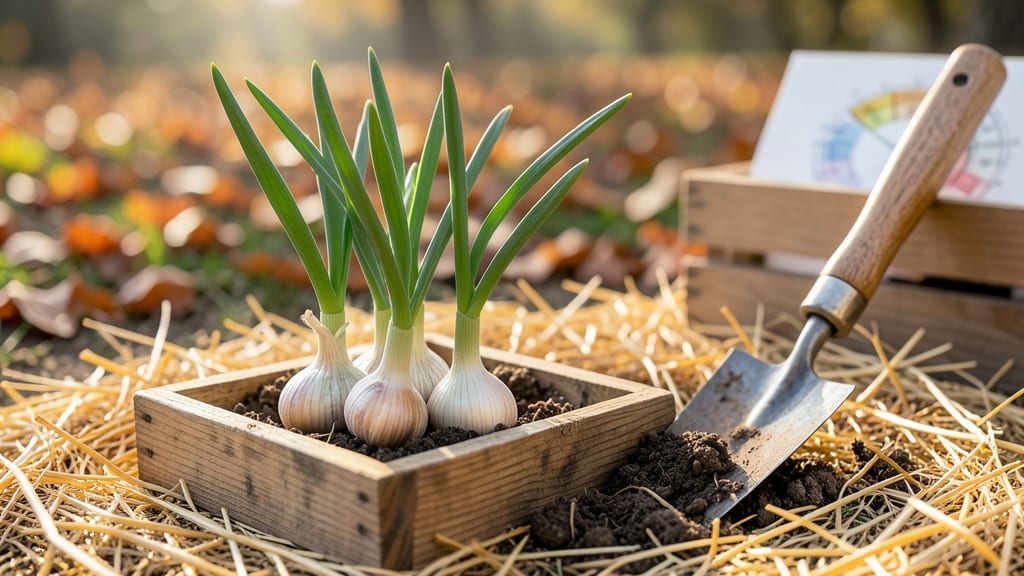
Planting garlic in San Diego might seem simple—no frost to worry about!—but timing is everything for that perfect 🧄 harvest. The coastal breeze and inland heat create two very different growing zones, and getting it wrong means tiny bulbs or wasted effort.
Most gardeners here swear by October to November as the sweet spot, but that’s just the starting point. Inland areas like Temecula can handle planting a little later, while coastal spots near Carlsbad need to get cloves in the ground sooner to avoid winter rains.
I’ve learned the hard way that rushing or waiting too long throws off the whole growing cycle. The key is understanding how your microclimate affects soil temperature and moisture—because in San Diego, even a few degrees or extra rain can make all the difference.
Ready to grow plump, flavorful bulbs? Let’s break down exactly when and how to plant for your specific corner of the county, so you’re not left with half-sized harvests next spring.
San Diego garlic planting calendar: coastal vs inland timing differences
San Diego’s unique microclimates create a critical 4-6 week difference in garlic planting windows between coastal and inland areas. While coastal regions like La Jolla or Encinitas enjoy milder winters, inland zones such as Temecula or Fallbrook experience hotter summers and cooler nights—both affecting bulb formation.
Understanding these differences ensures your garlic develops properly before summer heat arrives.
Garlic thrives when planted in fall (October-November) to establish roots before winter rains. Coastal areas can extend planting slightly later due to their milder temperatures, while inland regions must plant earlier to avoid summer heat stress.
The key is achieving 50-60°F soil temperatures during root development—coastal zones hit this sooner than inland areas.
Here’s how to align your planting with San Diego’s two distinct climates:
| Key Factor | Coastal (USDA 10b-11) | Inland (USDA 10a) | |
|---|---|---|---|
| Optimal Planting Window | Month | October 15 - November 15 | October 1 - November 1 |
| Soil Temp for Planting | 55-65°F | 50-60°F | |
| Frost Risk | Average Low | 35-40°F (rare) | 30-35°F (possible) |
| Last Frost Date | None (frost-free) | None (frost-free) | |
| Winter Rainfall | Pattern | Moderate (Dec-Feb) | Heavy (Nov-Jan) |
| Watering Adjustment | Reduce in Dec-Feb | Increase in Jan | |
| Summer Heat Stress | Onset | June | May |
| Bulb Formation Window | Jan-Apr | Dec-Mar | |
| Harvest Timing | Ready When | Lower leaves brown (May-June) | Lower leaves brown (May-June) |
| Soil Temp at Harvest | 65-75°F | 60-70°F | |
For coastal San Diego, October 15-November 15 is your sweet spot. The ocean’s moderating influence keeps soil temperatures ideal longer, giving garlic time to establish roots before winter rains peak.
Inland areas should plant 2-3 weeks earlier (October 1-November 1) to account for faster warming and drier conditions that can stress young plants.
Soil temperature is the deciding factor—garlic roots need 50-60°F soils to grow. Use a soil thermometer to verify: coastal areas hit this by mid-October, while inland zones may need to wait until early November. Planting too late risks summer heat halting bulb development before harvest.
Water management differs sharply between regions. Coastal garlic benefits from reduced watering in December-February due to natural rainfall, while inland garlic may need supplemental water in January to prevent drought stress. Both regions should avoid soggy soil—garlic hates wet feet and can rot if overwatered during winter.
Harvest timing is surprisingly similar across both zones (May-June), but coastal garlic often matures 1-2 weeks earlier due to milder spring temperatures. Watch for lower leaves turning brown and crispy—this signals bulbs are ready.
Inland garlic may need a bit more patience as cooler nights delay maturity slightly.
Pro tip: Hardneck varieties (like 'German White' or 'Silverskin') perform better inland where cooler nights encourage scape production, while softneck varieties (like 'Artichoke' or 'California Early') thrive coastal where summers are less intense. Choose based on your microclimate for optimal yields.
Remember, San Diego’s Mediterranean climate means no frost to worry about—but summer heat is the real enemy. Plant early enough to establish roots before temperatures climb, and you’ll harvest plump, flavorful bulbs regardless of whether you’re near the coast or inland.
How to adjust planting time for your San Diego microclimate
San Diego’s microclimates create dramatic differences in garlic-growing success. While coastal areas like Carlsbad enjoy milder winters, inland spots like Temecula experience hotter summers and cooler nights. These variations mean your planting window could shift by 4-6 weeks depending on where you live.
Understanding these nuances ensures your garlic gets the cold period it needs to form bulbs without rotting from excess moisture.
Elevation plays a surprising role too. Areas like La Jolla (sea level) rarely drop below 50°F in winter, while Ramona (1,000+ feet) can hit 40°F—the sweet spot for garlic.
Even within USDA Zone 10a-10b, these temperature swings mean your planting schedule should account for local frost risk (yes, even in San Diego!). Let’s break down how to fine-tune your timing for your exact neighborhood.
- Coastal (Carlsbad, Encinitas): Plant garlic cloves in November to avoid winter rains that cause rot. Soil temps stay above 55°F year-round.
- Inland (Temecula, Fallbrook): Aim for October planting to ensure 4-6 weeks below 60°F—critical for bulb formation. Hotter summers mean earlier drying.
- Mountainous (Julian, Pine Valley): Plant by mid-October to capitalize on cooler nights (45°F) without risking early spring heat that stunts growth.
- City (San Diego proper): Late October is ideal—balances urban heat islands with coastal breezes to prevent fungal diseases.
- Soil Prep Tip: Amend sandy coastal soil with compost (25% organic matter) to retain moisture; clay inland soil needs gypsum for drainage.
Don’t overlook rainfall patterns—coastal areas get 10+ inches of rain in winter, while inland spots like Escondido may see only 5 inches. If you’re in a drier zone, schedule planting for early November to align with natural winter moisture.
Use a soil moisture meter to confirm 1-2 inches of water per week during bulb development (spring).
Pro tip: Hardneck varieties (like Silverskin) thrive in cooler inland areas, while softneck types (like Artichoke) suit milder coastal climates.
Check your local weather station for 30-day forecasts—if temps are predicted to stay above 65°F for 10+ days in winter, delay planting by 2 weeks to avoid heat stress. Even a 5°F difference can mean the difference between rot and robust bulbs.
Finally, adjust your harvest timing based on microclimate. Coastal garlic often matures 2-3 weeks earlier than inland crops due to warmer springs. Watch for lower leaves turning brown—this signals bulb maturity.
In hotter inland areas, harvest by late May to prevent bolting (flowering) from summer heat. Use a shade cloth if temps exceed 85°F during bulb formation.
With these localized adjustments, you’ll transform San Diego’s challenges into opportunities—growing plump, flavorful garlic tailored to your exact corner of the county. Start with your neighborhood’s last average frost date (yes, even San Diego has them!), then fine-tune with these microclimate secrets. 🌱