
Plants
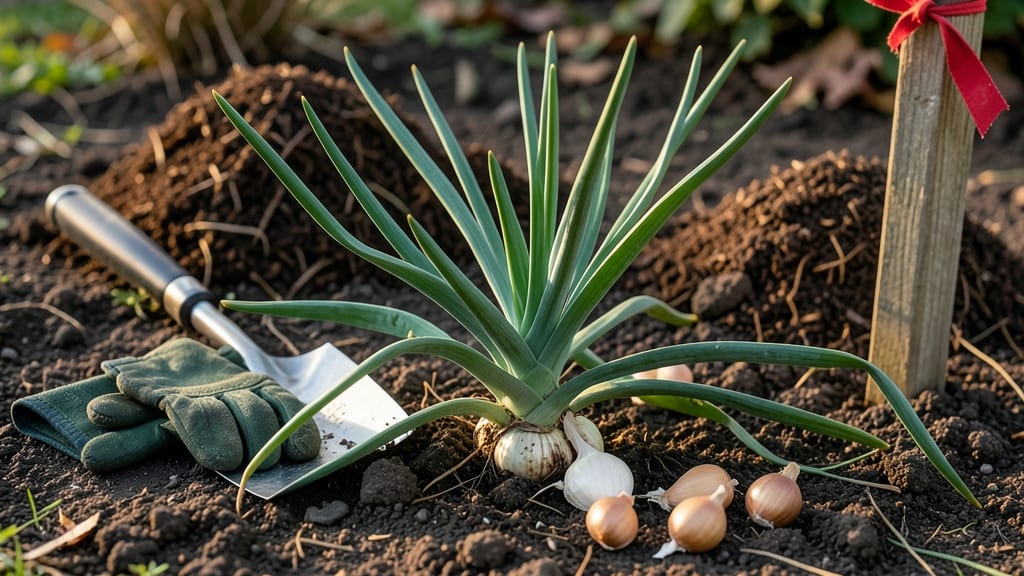
Timing your garlic planting in Pennsylvania can make or break your harvest—especially when you're juggling hardneck and softneck varieties in zones 5b-7a. Miss the window, and you risk weak bulbs or even total failure. But get it right, and you'll enjoy homegrown 🧄 by next summer.
Most gardeners in PA swear by fall planting, between October and November, when soil temps drop but before hard frost sets in. This cold stratification period is what transforms those cloves into plump, flavorful bulbs.
However, early spring planting (March) works too, if you're in a hurry or missed the fall window.
Why does timing matter so much? Garlic needs 6-9 months of cool weather to develop properly. Plant too early, and cloves might sprout prematurely. Too late, and they won’t establish roots before winter. The key is balancing soil temperature, frost dates, and your variety’s needs.
In this guide, I’ll break down the exact planting schedule for your region, soil prep tips, and how to avoid common mistakes that ruin harvests. Let’s get those cloves in the ground the right way!
Optimal planting months for garlic in Pennsylvania by variety
Pennsylvania's USDA zones 5b-7a create unique challenges for garlic growers, where timing directly impacts bulb size and flavor. Hardneck varieties thrive in colder zones, while softneck varieties prefer milder winters. Planting too early risks rot, while waiting too long stunts growth before winter dormancy.
Most Pennsylvania gardeners achieve best results by planting in October or November, giving cloves time to establish roots before freezing. However, early spring planting (March) works for softnecks in warmer microclimates like southeastern PA. The key is avoiding active growth during winter when temperatures fluctuate.
Here's a quick comparison of planting windows by variety and zone:
| Variety | Best Planting Months | Ideal USDA Zones | Moon Phase Tip | Bulb Maturity |
|---|---|---|---|---|
| Hardneck (e.g., Rocambole, German White) | October 1-15 (primary) September 15-December 1 (extended) |
5b-6b (north/central PA) | Plant during waxing moon for stronger roots | July-August (following year) |
| Softneck (e.g., Silverskin, Artichoke) | March 1-15 (primary) October 15-November 1 (fall backup) |
6a-7a (southern PA) | Plant during waning moon for better bulb storage | July-September (following year) |
| Elephant Garlic (e.g., Inchelium Red) | October 15-November 1 (only) | All zones (5b-7a) | Plant during full moon for maximum size | August-September (following year) |
For hardneck varieties, the October 1-15 window is critical—this aligns with Pennsylvania's average first frost date (October 15) in most regions. Planting after November risks poor root establishment before winter. In USDA zone 7a (southern PA), you can extend planting until early December.
I always check the Penn State Extension frost maps for my specific county, as microclimates can shift planting windows by 2-3 weeks. For example, Erie County (zone 6a) may need garlic in the ground by October 1, while Berks County (zone 7a) can wait until November 1.
Moon phase timing matters more than you might think. Planting hardnecks during a waxing moon (when the moon is growing brighter) encourages robust root development—essential for surviving Pennsylvania's freeze-thaw cycles. For softnecks planted in spring, a waning moon (after the full moon) promotes better bulb storage qualities.
One common mistake in Pennsylvania is planting garlic too shallowly (less than 2 inches deep). In our variable climate, shallow planting leads to heaving during freeze-thaw cycles. Always bury cloves 2-3 inches deep with the pointed end up, and mulch heavily with straw or leaves after planting.
If you're in zone 5b (northcentral PA), consider using row covers in late fall to protect emerging shoots from early snow. Remove covers in early spring to prevent overheating.
For zone 7a gardeners, you can experiment with two plantings: one in October and another in March for continuous harvests.
Remember that Pennsylvania's soil temperatures drop below 40°F by November, which is the threshold for garlic dormancy. Planting after this point risks poor bulb formation. Use a soil thermometer to confirm temperatures—ideal planting soil should be 50-60°F.
🌱
Step-by-step pre-planting preparation for Pennsylvania gardens
Preparing your Pennsylvania garden for garlic requires careful attention to soil conditions and timing. Pennsylvania's USDA zones 5b-7a demand specific steps to ensure your hardneck and softneck varieties establish strong roots before winter.
The first critical task is soil testing, which helps you adjust pH and nutrient levels for optimal growth.
Garlic thrives in well-draining soil with a pH between 6.0 and 7.0. If your soil is too acidic, add lime in the fall, while sulfur can lower pH if needed. Pennsylvania's clay-heavy soils often benefit from compost or aged manure to improve structure and fertility.
Next, select a sunny planting bed with at least 6 hours of direct sunlight daily. Avoid low-lying areas where cold air pools or water accumulates. Raised beds work well in PA's variable climate, offering better drainage and warmer soil temperatures in spring.
Before planting, separate garlic cloves from the bulb, ensuring each has a small shoot attached. Plant the pointy end up and flat side down for proper growth. Hardneck varieties like 'Music' or 'German White' need cold stratification to form bulbs, while softnecks like 'Artichoke' tolerate milder winters.
🌱 Step-by-Step Pre-Planting Checklist for Pennsylvania Gardens
- 1 Test Soil pH: Use a home test kit or send a sample to your local Cooperative Extension. Aim for 6.0-7.0 pH—adjust with lime or sulfur if needed.
- 2 Amend Soil: Mix in 2-3 inches of compost or aged manure to improve drainage and fertility. Work it into the top 6-8 inches of soil.
- 3 Choose Planting Site: Pick a south-facing bed with full sun exposure. Avoid areas prone to frost pockets or waterlogging.
- 4 Separate Cloves: Break bulbs into individual cloves, keeping the paper skin intact. Discard any soft or damaged cloves—they won’t thrive.
- 5 Cold Stratify (Hardnecks): For hardneck varieties, plant 4-6 weeks before first frost (typically October-November). Softnecks can be planted in early spring (March) if winters are mild.
- 6 Mulch Heavily: After planting, cover beds with 4-6 inches of straw or leaves to insulate roots during PA’s cold winters. Remove mulch in early spring to prevent rot.
For hardneck varieties, cold stratification is essential—planting in late fall (October-November) ensures they experience 40-60 days below 40°F, triggering bulb formation. Softnecks, however, can be planted in early spring (March) if your winter is mild.
Finally, mark your planting rows with biodegradable flags to avoid disturbing the soil in spring. Pennsylvania’s unpredictable weather means early spring rains can wash away unmarked rows, making it harder to tend your garlic as it emerges.